Installing A Whole House Water Filter System

You know that weird, metallic taste your morning coffee sometimes has? Or the way your shower leaves your skin feeling like you just had a tussle with a roll of sandpaper? Tha...
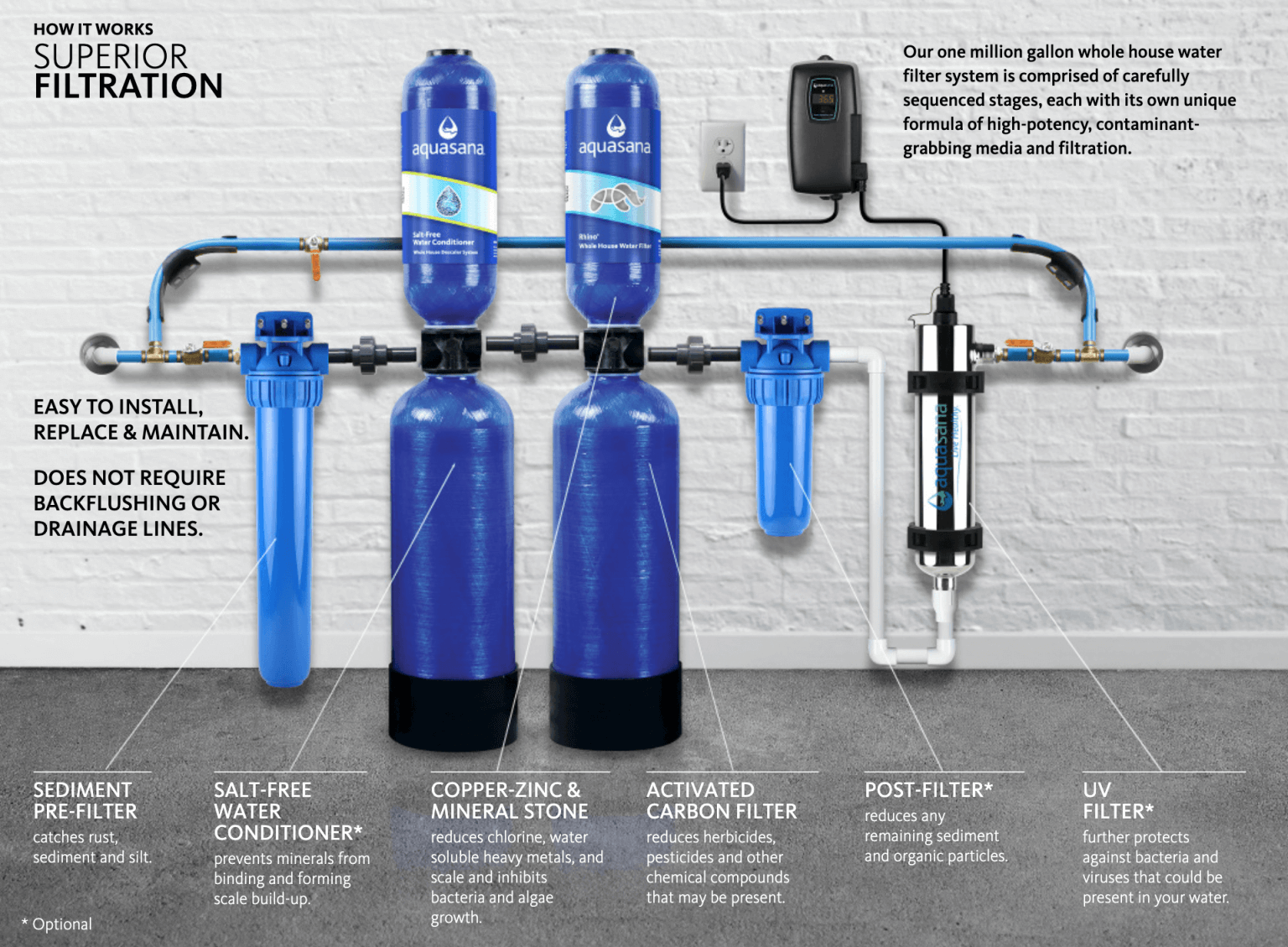
You know that weird, metallic taste your morning coffee sometimes has? Or the way your shower leaves your skin feeling like you just had a tussle with a roll of sandpaper? That’s your water, friend—plain and simple. It’s not your imagination; it’s the story of what’s traveling through your pipes to reach your glass, your bath, and your washing machine.
Think about it. Every glass of tap water you drink has taken a road trip through miles of underground pipe. Along the way, it picks up all sorts of “souvenirs”—chlorine, sediment, tiny bits of rust, and sometimes even trace amounts of lead or pesticides. It’s still safe to drink, sure, but is it really doing your body any favors? Probably not as many as you think.
It’s not just about taste (though, yuck)
Let’s be real: if your water tastes like a swimming pool, you’re not going to drink it. You’ll reach for a soda or a sugary juice instead. A whole-house filter makes your water so crisp and clean, you’ll actually look forward to a tall glass of it. That’s a win for your hydration and your wallet.
Must Read
But it goes deeper. Have you noticed your shampoo doesn’t lather as well as it used to? Or that your hair feels kinda “crunchy” after a shower? That’s the hard water doing its thing. Calcium and magnesium minerals build up on your hair, making it dull, and they leave a chalky film on your dishes, too.
The quiet hero of your home
A whole house water filter is like a bouncer at a nightclub—it decides what gets in and what stays out. Unlike those little pitcher filters in your fridge (which only handle drinking water), this system treats every single drop that enters your home. We’re talking about your bathroom sink, the shower, the washing machine, the dishwasher, and yes, the garden hose.
Imagine a world where your white shirts stay white after washing. No more yellowing from chlorine reacting with fabric. Your coffee maker stops looking like a science experiment. And the water spots on your shower doors? They disappear because the dissolved minerals aren’t there to cause them. It’s not magic—it’s just smart plumbing.
The “ick” factor nobody talks about
Let’s be totally honest for a second. Have you ever looked at the inside of your toilet tank? That black or brown gunk is a mix of sediment, rust, and bacteria. Now imagine that same gunk building up inside your hot water heater, your dishwasher’s spray arms, and the pipes behind your walls. Gross, right? A whole-house filter catches that invisible gunk before it can settle.
Your appliances will thank you. A water heater that doesn’t get clogged with scale lasts years longer. A washing machine without mineral buildup won’t break down as often. In the long run, the system pays for itself by saving you from buying new appliances. Plus, you won’t have to scrub your bathtub as hard—that’s a weekend gift you can give yourself.
 Best Whole House Water Filters (April 2022) ~ Water Expert Reviews
A little story to make you smile
My buddy Dave installed one last summer. He’s not a handyman—he’s the kind of guy who calls a plumber to change a faucet washer. But he watched a YouTube video, spent a Saturday afternoon with some pipe wrenches, and bam! The next morning, he texted me a photo of his coffee mug. The caption read: “I just tasted water for the first time. It tastes like… nothing. It’s perfect.”
His wife said their two-year-old daughter started drinking more water instead of juice. That’s not a small thing—it’s a lifestyle shift. And Dave’s dishwasher? It stopped smelling like a swamp. Their dishes now come out actually clean, not smeared with dried mineral film.
Is it a hassle? (Short answer: nope)
You might picture a massive, clunky tank taking over your basement. In reality, most modern systems are sleek and compact. They fit neatly into your main water line, usually near the water meter or where the pipe enters your house. Installation can be a DIY project if you’re handy, or a plumber can do it in a couple of hours for a few hundred bucks. That’s less than you’d spend on bottled water for a year.
Maintenance is a breeze. Most filters only need their sediment filter changed every six months. That’s two minutes of effort—easier than changing a lightbulb. And the carbon blocks last a year or more. Set a reminder on your phone, and you’re golden.
The bottom line (the “why you should care” part)
Your home’s water is the lifeblood of your daily routines. You brush your teeth with it, cook pasta in it, and let your kids soak in it. Shouldn’t it be as clean and pure as possible? A whole-house filter doesn’t just improve flavor—it protects your health, your home, and your peace of mind. Think of it as a cheap insurance policy for your pipes, your skin, and your crisp white sheets.
Don’t overthink it. If you can afford a nice dinner out, you can afford this. And unlike that meal, the filter keeps giving back every single day. So stop drinking water that tastes like a swimming pool. Your coffee, your hair, and your water heater will throw you a thank-you party. You just won’t hear it—because the water will be quiet, clean, and perfect.
