Whole House Water Softener And Filter System

Imagine stepping out of the shower not as a dry, chalky statue, but as a silky, hydrated version of yourself. That’s not a luxury spa treatment; it’s the everyday reality of a...
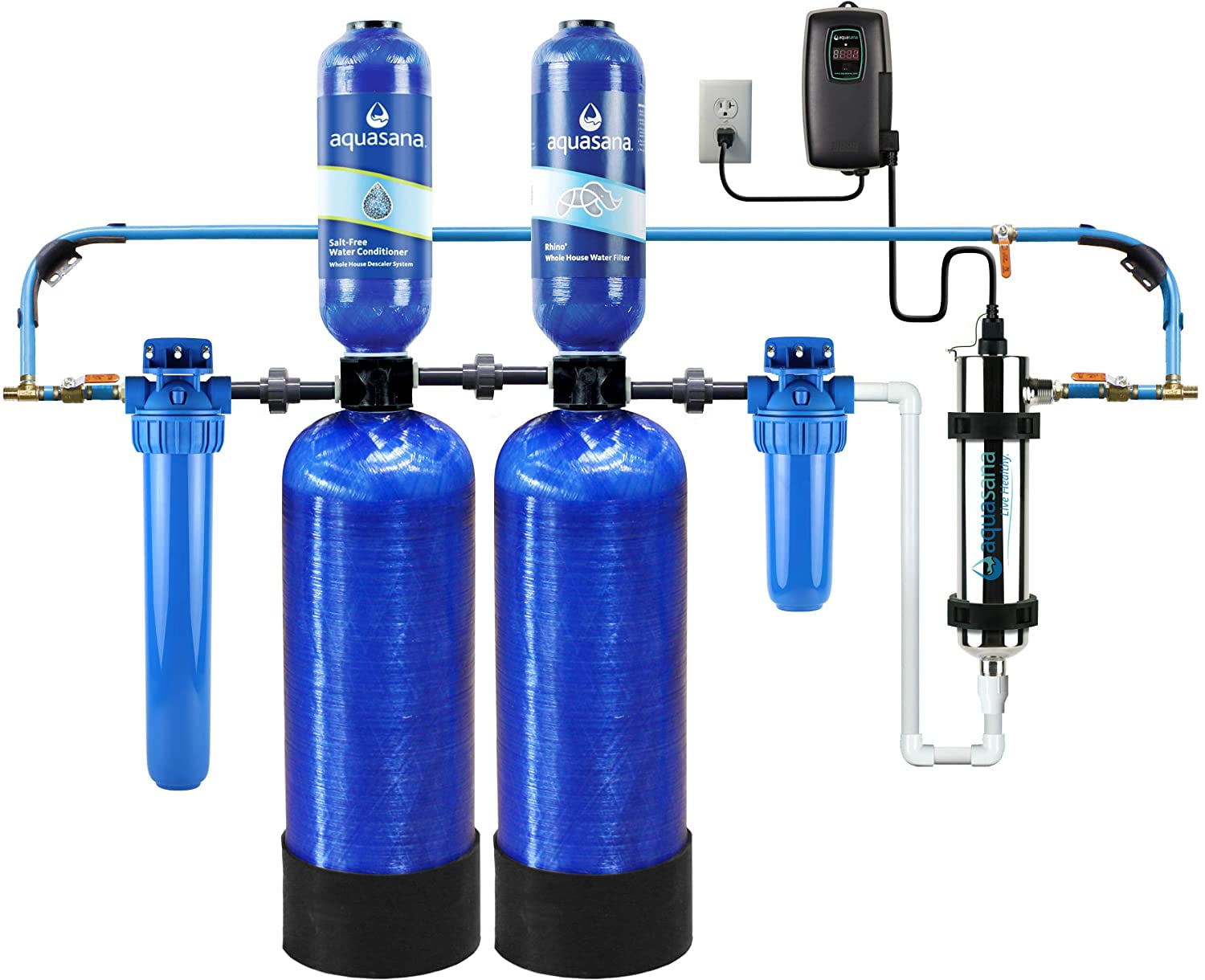
Imagine stepping out of the shower not as a dry, chalky statue, but as a silky, hydrated version of yourself. That’s not a luxury spa treatment; it’s the everyday reality of a whole-house water softener and filter system. It’s the quietest home upgrade you’ll ever make, working 24/7 to transform the very water that touches your skin, fills your kettle, and rinses your lettuce.
Let’s face it: hard water is the uninvited guest at every party. It leaves a crusty mineral film on your glassware that looks like a snow globe gone wrong. It clogs your showerhead until it sprays like a grumpy cactus. A softener is basically a bouncer for your pipes, swapping out the calcium and magnesium for sodium ions, leaving your water actually soft.
Why your skin and coffee are begging for this
Hard water doesn’t just attack your plumbing; it attacks your porcelain throne and your actual throne—your skin. Soap scum forms because the minerals bond with your soap, creating that gummy residue that’s practically impossible to rinse off. A softener means foam lathers like a dream, and your face feels clean, not stripped.
Must Read
And your morning coffee? It’s not just a caffeine delivery system. Filtered, softened water makes for a smoother brew. The Specialty Coffee Association actually recommends water with a specific mineral profile—too much hardness masks the bean’s nuance. You’re paying for single-origin; don’t let the tap ruin the plot twist.
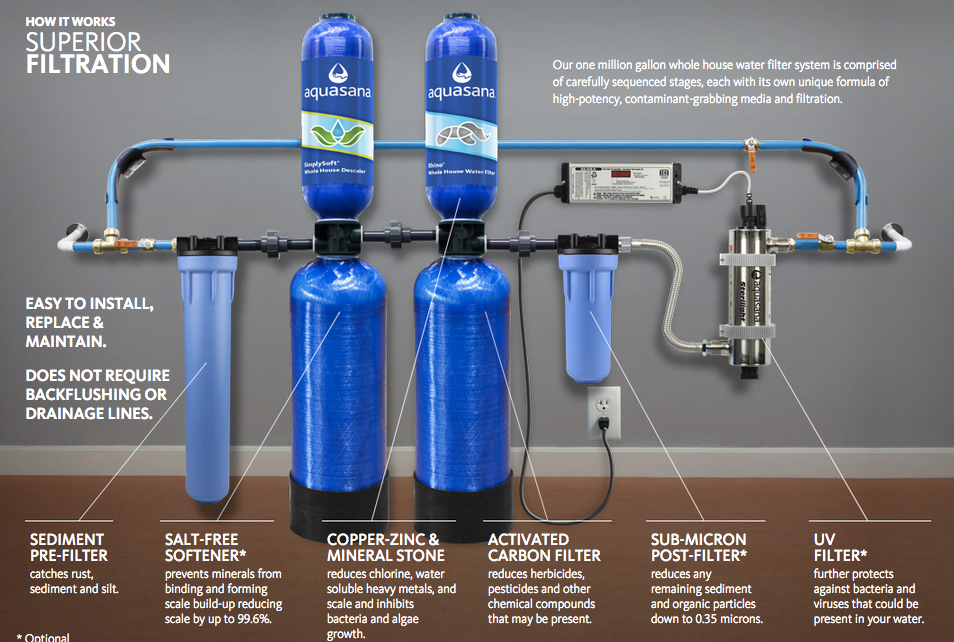
A whole-house system is basically a Swiss Army knife for your home’s veins. The filter catches sediment, chlorine, and those funky tastes that smell like a swimming pool on a Tuesday. The softener tackles the hardness. Together, they’re the Batman and Robin of residential water quality.
Practical tip: The “foggy glass” test
Grab a clean glass from your cupboard. If it has spots that look like tiny bird droppings after it dries, you have hard water. Fill a clear bottle with tap water, add a few drops of pure liquid soap, and shake it. If the suds are weak and the water is cloudy, your minerals are throwing a party—a bad one.
Your appliances secretly love this system. A water heater running on soft water can last up to 50% longer because it’s not calcifying from the inside like a forgotten kettle. It’s like giving your washing machine a retirement plan, except it stays active and happy.
Cultural cool: From Roman aqueducts to your laundry room
The ancient Romans were obsessed with water quality, building massive aqueducts to bring soft, mineral-poor water into baths. They even used lead pipes (yikes), but the concept was sound. Fast forward to Mad Men—Don Draper’s perfect white shirt? That’s soft water doing the heavy lifting, not just a dry cleaner’s wizardry.
A fun fact: The “hardness” scale is measured in grains per gallon (GPG). Anything over 7 GPG is considered very hard. Most of the American Midwest and Southwest sits at a staggering 10-20 GPG. That’s basically prehistoric seawater running through your pipes.
Another tidbit: before modern city water treatment, early softeners used zeolites—naturally occurring volcanic minerals that swapped ions like tiny bartenders. Today’s systems use resin beads, which are basically those zeolites’ tech-savvy grandchildren.
The installation is not a DIY movie montage
Listen, you can change your own air filter. You can even fix a leaky faucet. But a whole-house softener and filter system? That’s a job for a pro. They’ll need to connect it to your main water line, often near the meter or water heater, and install a brine tank for the salt. It’s a one-day job that feels like magic.
Don’t be fooled by “salt-free” softeners. They’re actually conditioners that don’t remove hardness—they change the shape of the minerals so they don’t stick. They’re great for eco-warriors, but for real soft skin and cloudless glass? Salt-based is the gold standard.
 Best Whole House Water Filter System — Guide & Reviews
Your wallet will send a thank-you note
Soap usage drops by 30-50% with soft water. Your shampoo bottles last twice as long. Detergent? You’ll use half the recommended amount. The system pays for itself within a couple years, and that’s before you factor in no more buying bottled water for the Brita pitcher.
The long game is even better. Pipes that aren’t corroded by mineral buildup mean fewer plumber visits. Your water-using appliances—dishwasher, washing machine, even the ice maker—will have a lifespan that’s 5-10 years longer. It’s the gift that keeps on flushing.
And here’s the fun part: those “hard water rings” in your toilet bowl? Gone. The orange rust stains from iron? Poof. You’ll actually want to clean your bathroom because it’s therapeutic, not a war against mineral deposits.
A quick reality check on maintenance
You’ll need to top off the salt tank every 4-8 weeks, depending on your water usage. It’s like feeding a pet that only eats white rocks. You’ll also need to replace the pre-filter cartridge every 3-6 months—cheap insurance against sediment.
Most modern systems have a little digital brain that automatically regenerates at night. It flushes the accumulated minerals down the drain and recharges the resin beads with fresh salt. You’ll probably only hear a faint hum, like a refrigerator in a gentle mood.
Pro tip: If you have a garden, bypass the softener for your outdoor spigots. The sodium isn’t great for plants. But if you’re watering your lawn with filtered water? Your neighbor’s hydrangeas will turn green with envy—literally.
Connecting to daily life
There’s a quiet dignity in pouring a glass of water from your tap and knowing it’s purer than most bottled brands. Your skin stops itching by November. Your hair doesn’t feel like straw after a rinse. It’s not a dramatic life change, but a thousand micro-moments of peace.
Think of it as a daily luxury you never knew you needed—like memory foam for your water. When you wash your hands and they don’t feel tight, when your kids’ bathtime isn’t a battle with soap scum, you realize how much of your day was spent fighting water. Now, the water works with you.
So go ahead. Look at your crusty faucet aerator with new eyes. Then call a professional. Your future self—the one with shiny hair and a stain-free mug—will thank you. And that morning coffee? It’ll finally taste how the bag promised.
