How Can You Tell If Water Softener Is Working

So, the other week, my buddy Tom invites me over for coffee. He’s super proud of his new water softener—a shiny, high-tech beast in his garage. I take a sip of his coffee, and...

So, the other week, my buddy Tom invites me over for coffee. He’s super proud of his new water softener—a shiny, high-tech beast in his garage. I take a sip of his coffee, and frankly, it tastes like I’m licking a metal fence in a rainstorm. “Wow, Tom,” I said, “your water’s hard as a rock.” He looked crushed. I had to explain: his brand-new softener wasn’t actually softening anything.
That awkward moment got me thinking: how can you really tell if your water softener is working? You can’t just trust the little beeps and lights, right? Let’s cut through the marketing fluff and get real.
The Slippery Test (Your Hands Know Best)
First up, the classic “slippery when wet” test. Go wash your hands with plain soap—no fancy moisturizing stuff, just basic bar soap. If your softener is working, the suds will feel silky and slick, almost like you can’t rinse them off completely. That’s the sodium doing its job, breaking down the calcium and magnesium.
Must Read
If your hands feel sticky or leave a soap scum film, your softener is slacking off. You know that squeaky-clean feeling? That’s actually not clean—that’s hard water residue. Creepy, right? My grandmother used to say, “If your soap doesn’t foam, your water’s in a coma.” She wasn’t wrong.
The Spot Check (Glassware Lies)
Look at your drinking glasses after they air dry. Are they spotless like a diamond? Or do they look like they’ve been kissed by a ghost—cloudy with white spots? Spots are the enemy. Hard water leaves those mineral deposits behind; soft water dries crystal clear.
I’m not kidding: I once visited a friend who bragged about her salt-free system. She handed me a glass that looked like it had chickenpox. She said, “Oh, that’s just our ‘natural mineral water.’” No, honey. That’s your failed softener. Run the dishwasher too: if your plates come out etched or hazy, your water is still hard. It’s like your appliances are yelling, “Help me!”
The Soap Scum Conspiracy
Now, peek inside your shower or bathtub. If you’re battling a stubborn white or pinkish film that feels like chalk, that’s soap scum—the love child of hard minerals and soap. A working softener annihilates that scum. You should barely need to scrub. Seriously, your bathroom should look less like a science experiment and more like a spa.
And hear me out: if your toilet bowl has that orange-brown ring that won’t budge? That’s iron in your water. A softener that’s on the job will minimize that ring, too. Not all softeners handle iron equally, but a good one should reduce the staining dramatically. If you’re still scrubbing like a maniac, your softener is asleep at the wheel.
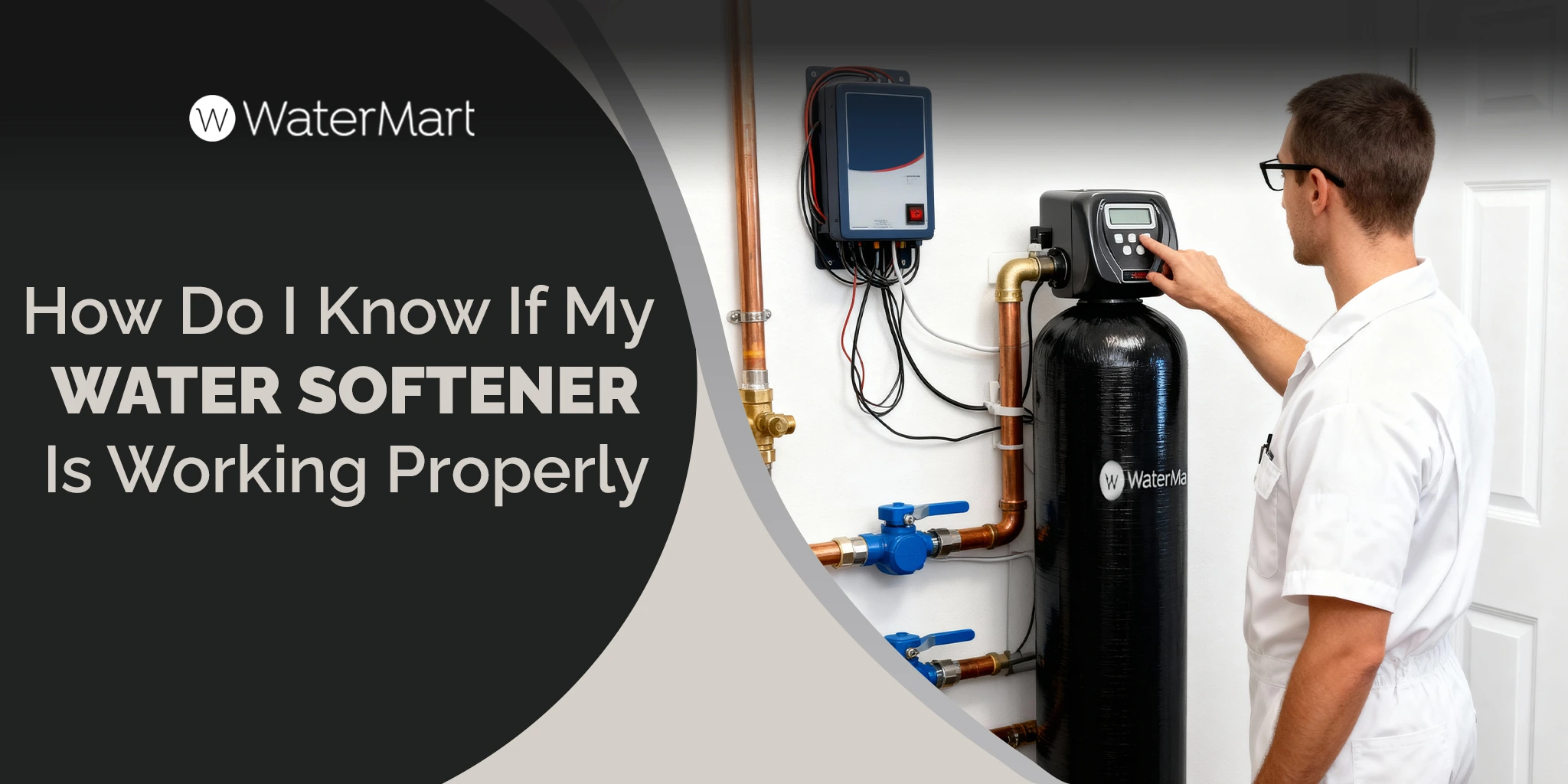 How do I know if my water softener is working properly?
Listen to Your Faucets (and Your Wallet)
Hard water is a faucet killer. Those little aerators on your taps? They clog up with mineral grit faster than a teenager’s brain on a Monday morning. If you’re constantly unscrewing them to clean out tiny white chunks, your softener is not doing its job. A working system keeps those aerators clean for months.
Also, check your water heater—I know, it’s boring but crucial. Hard water creates sediment that makes your heater work harder, raising your energy bill. If your electric or gas bill has spiked for no reason, blame your phantom-hard water. A working softener can save you up to 30% on heating costs. That’s real money, folks. (I’m not an accountant, but I play one on this blog.)
The Tinker Bell Strategy (Salt Levels)
Look inside the brine tank—the big plastic bin where you pour salt. If you see a solid, hard crust of salt at the bottom that looks like a geological formation, you’ve got “salt bridging.” That means your softener is sucking in water but not salt, so it’s basically useless. Break that bridge with a broom handle (seriously, it’s fun).
Also, the salt level should drop regularly. If it hasn’t budged in two weeks, something is broken or your system is bypassing itself. Think of salt as the softener’s energy drink: no salt, no soft. It’s simple math, but we humans love to ignore the obvious.
The Final Verdict (Game Day Test)
Here’s my favorite: fill a spray bottle with tap water and a few drops of dish soap. Shake it. If it forms lots of frothy, busy bubbles, your water is soft. If it barely bubbles and looks like snake oil, your system is failing. It’s literally the same chemistry test they do in labs, but you get to do it in your kitchen in pajamas.
Remember Tom? He checked his softener manual, realized he’d set the hardness level wrong (he guessed “80” when his water was actually 12 grains). He fixed it, and now his coffee tastes like coffee, not a penny. His wife even said his skin stopped itching. So, trust your senses, not the blinking green light. Your water softener is lying to you half the time. Don’t let it get away with it.
