Rheem Water Softener Bypass Valve Replacement

So, picture this: you’re a proud owner of a Rheem water softener. For months, it’s been giving you water so silky, you almost expect it to sing lullabies. Then, one morning, y...

So, picture this: you’re a proud owner of a Rheem water softener. For months, it’s been giving you water so silky, you almost expect it to sing lullabies. Then, one morning, you notice a tiny, insidious drip. It’s not a flood, just a wet little whisper from the bypass valve. Your first thought? “I’ll fix it later.” That’s how plumbing heroes are born—or at least how they get their socks wet at 2 a.m.
Why Bypass Valves Are the Drama Queens of Your Home
That bypass valve? It’s not just a hunk of plastic. It’s the gatekeeper between hard water and soft water, between peace and a scale-covered coffee pot. When it fails, your softener might go on strike, and you’ll be showering in water that feels like it’s personally offended by your hair. The good news? Replacing it is easier than explaining TikTok to your grandpa—but way more satisfying.
Here’s a surprise: some Rheem bypass valves use a push-to-connect design. That means no glue, no soldering, no calling your ex for help. You just push, twist, and pretend you’re a plumber on a reality TV show. Just don’t forget to turn off the water first—unless you enjoy indoor slip ‘n slides.
Must Read
The Anatomy of a Meltdown (A.K.A. Why It Breaks)
Bypass valves have a tragic flaw: the little rubber o-rings inside them. These rings dry out, crack, and eventually go rogue. Think of them as the tired employees of your water system—they need replacing every five to seven years. Ignore them, and you’ll hear a soft, mocking drip that sounds suspiciously like your water bill laughing at you.
One customer told me their valve simply disintegrated after a decade. Not a dramatic explosion, just a sad little puff of dust. It’s like the valve retired without sending a memo. And when that happens, you’ll need to channel your inner surgeon: precise, calm, and holding a wrench.
How to Replace It Without Losing Your Sanity (Or Your Marriage)
First, assemble your weapons: a bucket, a towel, and the new bypass valve. Rheem makes this easy—the part is often color-coded like a toddler’s toy. The blue side is for incoming water, the red is for outflow. Yes, it’s that simple. If you mix them up, your softener will politely refuse to work, like a cat ignoring a vet appointment.
Now, the big moment: turn off the water supply. Actually, do it twice. Once for the house, once for your ego. Then, detach the old valve by pressing the release collar (it’s usually a gray ring) and wiggling. It will pop off with a sound like a sigh of relief—or a defeated cough. Force is not your friend; brute strength just makes the plastic crack.
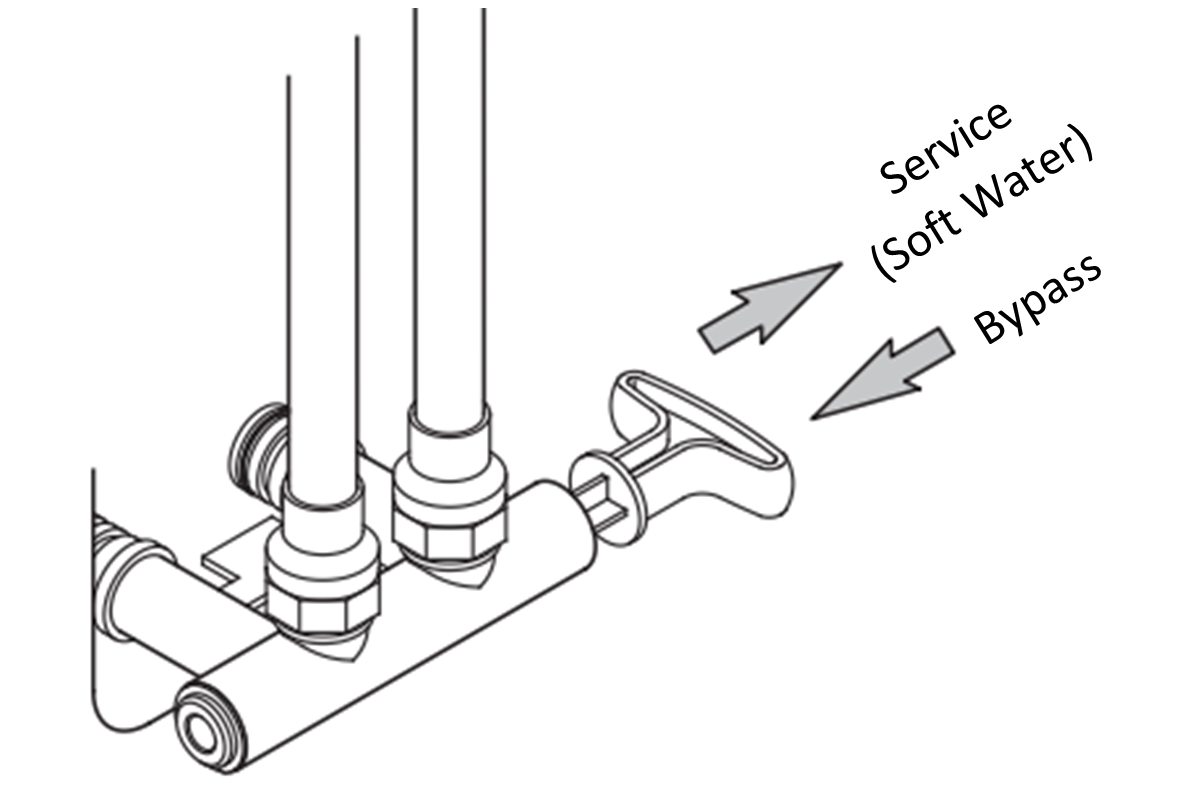 How To Adjust Bypass Valve at Lilly Hoover blog
Slide the new valve in until you hear a click. That click is the sound of your future self thanking you. Don’t trust the click? Then you’ll be redoing this in an hour. Trust the click. It’s the universal language of plumbing.
The Unexpected Victory Lap
Once installed, turn the water back on slowly. Listen for hissing. If you hear a hiss, it’s either a leak or a very small snake—in either case, tighten the connections. Check for drips for five minutes. If dry, congratulations! You’ve just saved $150 on a plumber. Use that money to buy a pizza. You earned it.
Fun fact: the bypass valve also doubles as a testing port for water hardness. So next time you’re feeling nerdy, flip the valve to “bypass” and test your tap water. Warning: you’ll likely discover your water is harder than a diamond, and you’ll immediately appreciate your softener more. It’s like realizing your parents weren’t so bad after all—just harder and more mineral-rich.
The Final Punchline
Let’s be real: replacing a bypass valve is the most exciting 15 minutes of your month. It’s not skydiving, but it is cheaper. And the best part? You now have a superpower—you can look at any Rheem softener and think, “I could fix you.” That confidence is dangerous. Next week, you’ll be replacing your toilet flapper. The week after? Rewiring your garbage disposal. Watch out, Bob Vila.
So here’s your takeaway: don’t be scared of the drip. Be fierce. Be the hero your water softener deserves. Just remember the towel, the click, and the pizza. And if all else fails, there’s always the “call a friend who owns a plumber’s van” strategy. But honestly? You’ve got this. Now go forth and bypass nothing but trouble.
