Refrigerator Water Filter Replacement Schedule

Let’s be honest: your refrigerator’s water filter is the unsung hero of your kitchen—or the silent villain, depending on how long you’ve ignored it. That little plastic cylind...

Let’s be honest: your refrigerator’s water filter is the unsung hero of your kitchen—or the silent villain, depending on how long you’ve ignored it. That little plastic cylinder works tirelessly, battling chlorine, lead, and mysterious “off-flavors” from your tap. But like a goldfish in a tiny bowl, it has a tragically short life expectancy if you neglect its schedule.
The Recommended Schedule (And Why You’re Probably Late)
Most manufacturers scream at you to replace your filter every six months. That’s right: twice a year, like daylight saving time or your dentist appointment for a lecture on flossing. I know, I know—you just installed that filter last year… or was it three years ago during the pandemic?
Here’s the surprising fact: even if you barely use the water, the filter’s internal carbon gets saturated by simply sitting there. It’s like a sponge left in a damp sink—it eventually grows a personality you don’t want in your drinking water. Six months is the golden window before your ice cubes start tasting like yesterday’s gym sock.
Must Read
The Telltale Signs Your Filter Is Begging for Mercy
Does your water suddenly taste like you’re sipping from a novelty mug from 1997? That’s filter fatigue. Also, if your ice cubes look cloudy or smell like a damp basement, your filter is crying for help. And let’s not ignore the slow drip—when your water dispenser turns into a stubborn trickle, it’s the filter’s way of saying, “I’m clogged, bro.”
Another sign: your refrigerator starts making a whining noise like a toddler denied candy. That’s the water line struggling to push through a filter that’s packed with sediment. You might think it’s a ghost, but it’s just your filter entering its villain arc.
Why You Shouldn’t Trust the “Change Filter” Light (Alone)
That little red or orange light on your fridge isn’t smart—it’s just a timer based on calendar days, not actual usage. You could take a month-long vacation, come home, and that light will blink at you like a passive-aggressive landlord. Meanwhile, the filter might still be fine, or it could be a biohazard. Don’t rely on the light; use your taste buds and your nose.
Pro tip: write the replacement date on the filter itself with a permanent marker. Yes, you’ll look like a nerd every time you open the fridge, but you’ll also avoid the shame of serving guest water that tastes like old pennies. Trust me—your houseplants judge you for less.
The Gross Science Behind Ignoring the Schedule
Here’s where it gets icky: a clogged filter doesn’t just make bad-tasting water—it becomes a breeding ground for bacteria. Think of it as a tiny, moist apartment complex where microbes throw parties. If you replace it every six months, you evict them; if you wait two years, you’re essentially funding their college tuition.
Also, a neglected filter can actually worsen water quality. The carbon that once trapped contaminants can become saturated and start leaching them back into your drink. That’s not a filter—that’s a betrayal. Your fridge is basically forcing you to drink your own recycling bin’s tears.
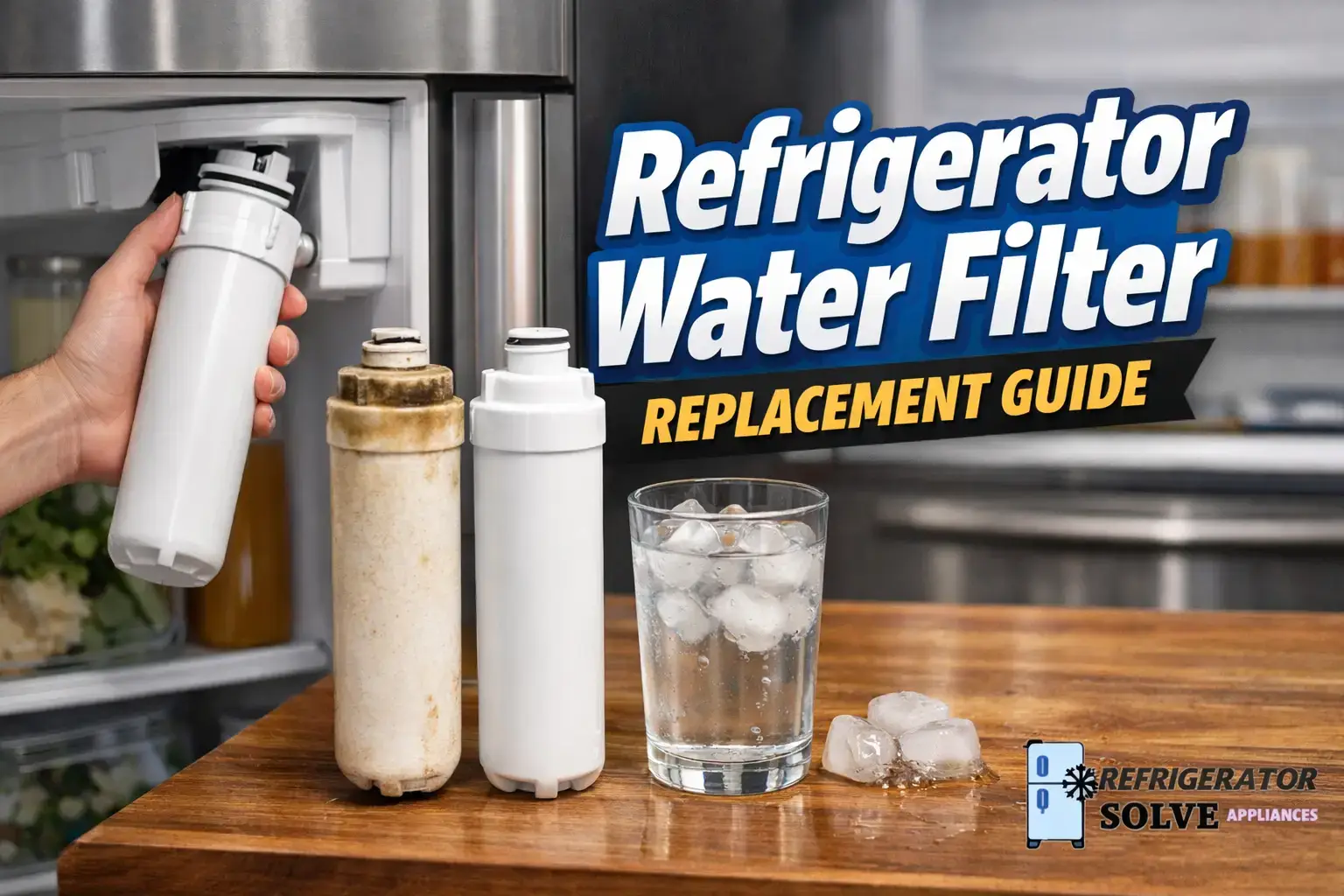 Refrigerator Water Filter Replacement Guide
How to Actually Remember (With Zero Effort)
Set a recurring calendar reminder on your phone for every six months. Name it “Filter Switcheroo” or “Operation: Not Drinking Mud.” You can also subscribe to a filter delivery service that auto-ships replacements—so the new one arrives just as the old one gives up the ghost. It’s like a meal kit, but for your hydration dignity.
Or, do what I do: tape a sticky note to your coffee maker that says, “Is your water sad?” It’s absurd, but it works. You’ll laugh, then you’ll remember, and then you’ll finally replace the filter. Congratulations—you’re now a water sommelier.
The “But My Water Tastes Fine” Trap
This is the liar’s prayer of fridge owners. Your taste buds are terrible judges of water safety. Contaminants like lead, mercury, and pesticides have no flavor or odor. You could be drinking a gentle soup of industrial runoff and still claim it’s “crisp and refreshing.” Come on, you’re not a professional taster—you’re a person who once ate gas-station sushi.
Replace the filter before you taste the difference. Think of it as insurance: you don’t wait until your house is on fire to buy a smoke alarm. Do you? (If yes, we need a different article.)
The Final Surprising Fact
Many fridge filters also remove pharmaceutical residues that slip through municipal water treatment. That means your perfect glass of water might be free of your neighbor’s leftover antibiotics or birth control hormones. So by changing the filter, you’re not just refreshing your ice—you’re waging a tiny war against accidental chemistry experiments. You’re a hero in a plastic cylinder cape.
Mark your calendar, order a filter, and give your fridge the respect it deserves. Your future self—hydrated, tasting nothing weird, and smug about it—will thank you. Now go forth and filter responsibly. And please, for the love of all things crisp, stop drinking from the garden hose as a backup plan.
