Is Vapor Distilled The Same As Distilled Water

So, picture this: it’s a scorching Saturday, and I’m staring at the water aisle like it’s a secret society. My left hand is gripping a jug labeled “Vapor Distilled,” while my...
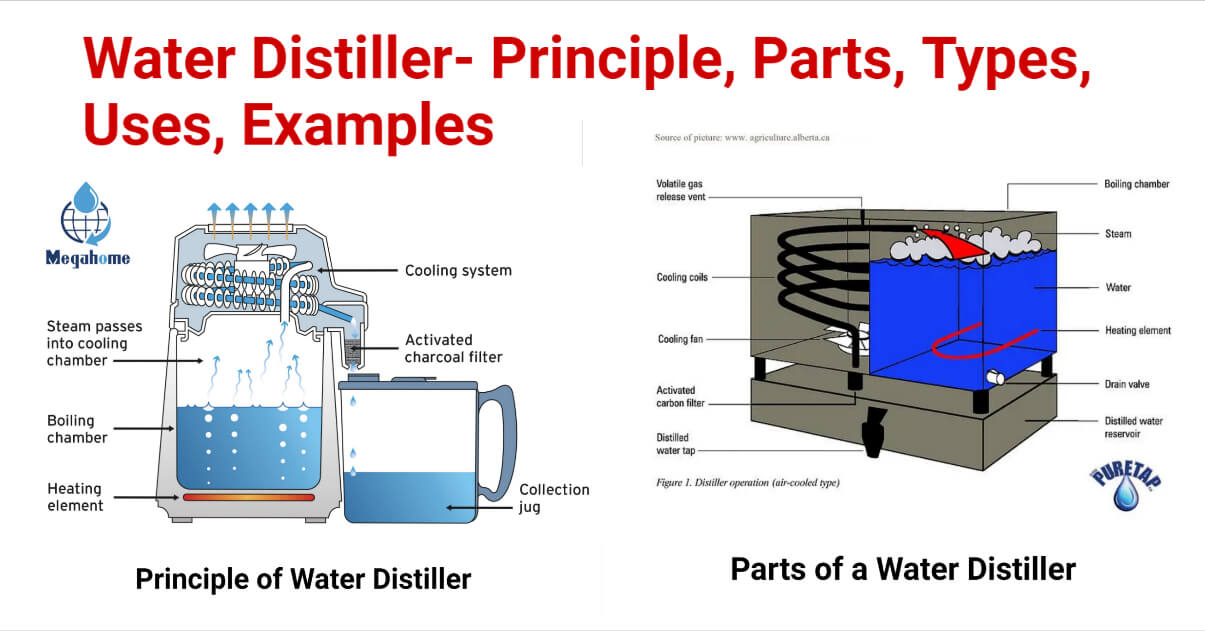
So, picture this: it’s a scorching Saturday, and I’m staring at the water aisle like it’s a secret society. My left hand is gripping a jug labeled “Vapor Distilled,” while my right hand holds a classic “Distilled Water.” I stood there for a solid five minutes, feeling oddly judged by a shelf of plastic bottles. Are they the same? I muttered, earning a side-eye from a passing employee.
That moment of confusion led me down a rabbit hole—one that involved science, marketing, and a little bit of irony. Because let’s be honest, when you see two similar-sounding terms, your brain wants a straight answer. But the universe (and the water industry) loves a good plot twist.
The Short Answer: Yes, They’re Basically Twins
Here’s the deal: vapor distilled water and distilled water are, in essence, the same thing. Both processes involve boiling water until it turns into steam, then cooling that steam back into liquid. The magic happens because impurities—minerals, chemicals, bacteria—can’t make the jump into vapor. They stay behind like uninvited party guests.
Must Read
So if you’re looking at a bottle labeled “Vapor Distilled” and another labeled “Distilled Water,” you’re getting the same H2O purity. But wait, I hear you say, why the different names? Great question, and here’s where the story gets juicy.
The Plot Twist: It’s About Branding, Not Chemistry
The term “vapor distilled” is often a marketing choice by companies like SmartWater or other premium brands. They want you to feel like you’re buying something more… elegant? Fancy? As if the water earned a PhD in hydration. But the actual process? It’s distillation, plain and simple.
Think of it like this: you can call a “tomato” a “fruit of the vine,” but at the grocery store, it’s still a tomato. The same principle applies here. The science doesn’t care about the label—it just cares about the steam cycle. Both methods remove about 99.9% of dissolved solids. That’s the kind of number that makes your tap water blush.
But What About “Spring” or “Purified” Water?
Now, don’t confuse vapor distilled water with spring water or regular purified water. Spring water comes from an actual underground source and retains minerals. Purified water can be distilled, but it can also be filtered through reverse osmosis—which isn’t distillation. So, if you see “vapor distilled” on a bottle, you’re drinking the purest cousin in the water family.
Here’s a fun fact: some water brands use the term “vapor distilled” to highlight that they don’t use chemical additives. They’re saying, “Hey, we don’t mess with our water—we just boil it.” It’s like telling a friend your cookies are “hand-rolled” instead of “baked.” Same result, different vibe.
So, Should You Care About the Name?
Honestly? Only if you’re a label snob. For everyday drinking, both options are identical in purity. But if you’re using water for a CPAP machine, lab experiments, or making baby formula, the exact type matters less than the distillation mark. Any distilled water (vapor or not) works perfectly.
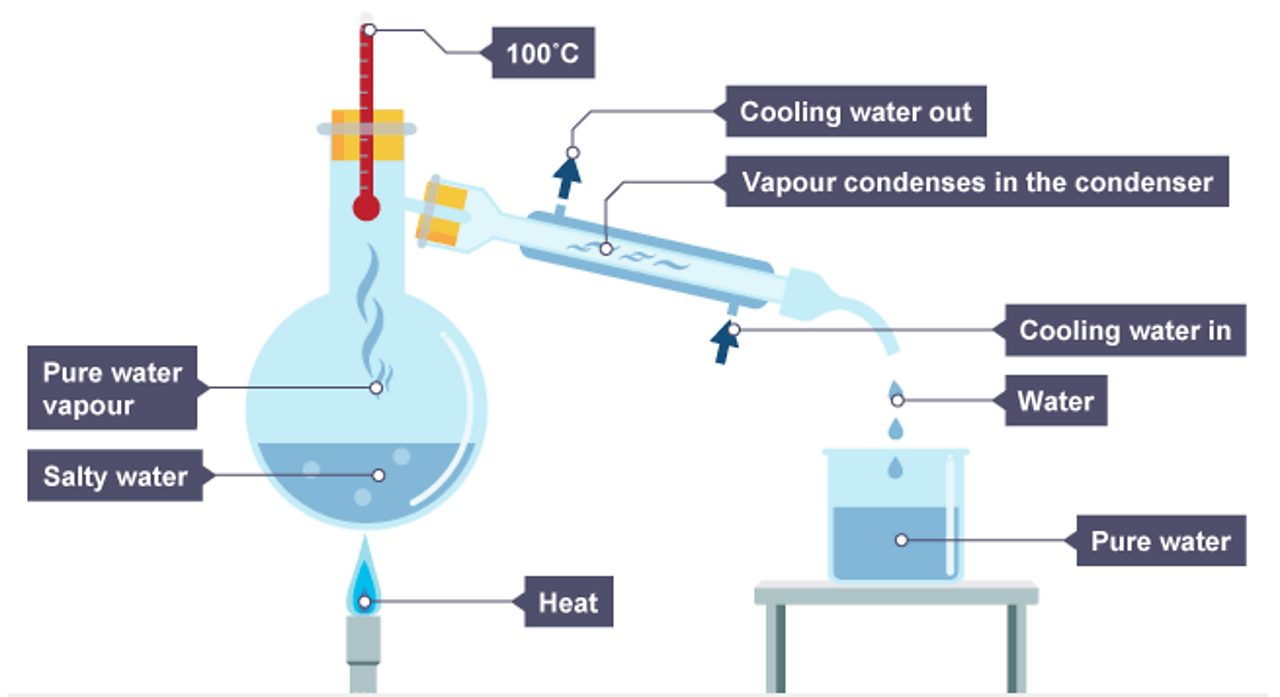 Distillation - BBC Bitesize
I once bought a gallon of “vapor distilled” water for my iron (yes, I’m that person). The iron didn’t care about branding—it just wanted mineral-free water. And let’s be real, my iron has higher standards than most of my dates.
The Bottom Line: Don’t Overthink It
If you’re standing in that aisle again, wrestling with two bottles, remember this: the process is the same, the purity is the same, the price is the only real difference. Vapor distilled water might cost a dollar more, but that’s just the tax on feeling fancy. Your body won’t know the difference, but your wallet might.
Here’s my advice: ask yourself, “Do I need to impress someone with my water choice?” If yes, grab the vapor distilled and look mysterious. If no, save your cash and stick with regular distilled. Your science-project battery, your iron, and your coffee maker will thank you either way.
A Little Extra Curiosity
Some vapor distilled water brands add electrolytes back in after distillation for taste. That technically makes them “purified water with minerals added.” But the base water? Still distilled. So if you see “vapor distilled with electrolytes,” you’re basically getting a spa day for your tongue—but the core process is the same.
And hey, if you’re still on the fence, just Google “vapor distillation process.” You’ll see diagrams of steam rising and condensing—like a tiny cloud in a machine. It’s almost poetic. Almost.
So next time someone at a party tries to school you on the “true difference,” just smile, take a sip of your perfectly clear water, and say, “It’s all just boiled rain, my friend.” That’s the kind of flex that ends debates.
