Well Water Filter And Softener Lifeguard System

So the other day, my neighbor, let's call him Bob (because that’s his name), was complaining about his morning coffee. He said it tasted like a rusty pipe had a fight with a b...
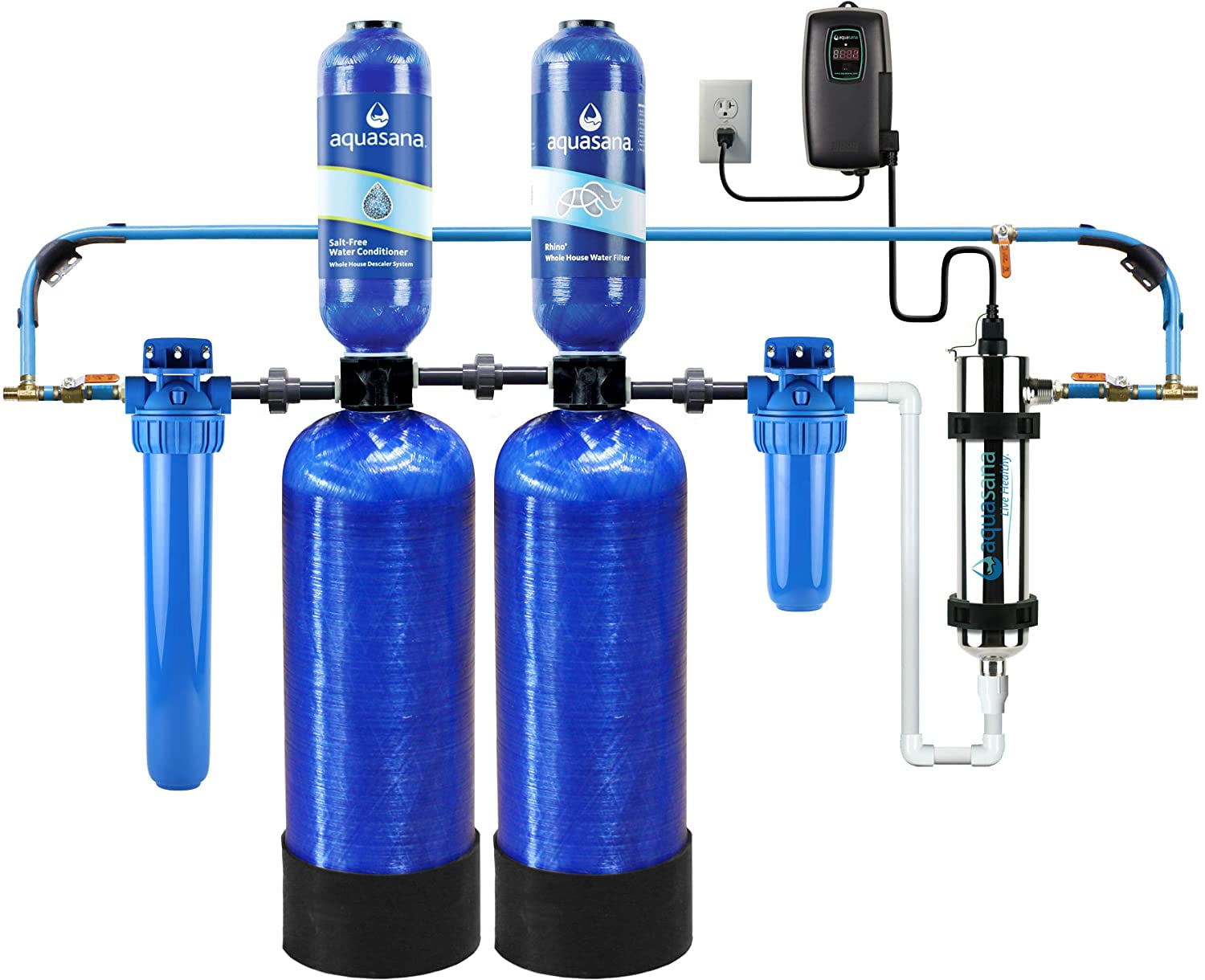
So the other day, my neighbor, let's call him Bob (because that’s his name), was complaining about his morning coffee. He said it tasted like a rusty pipe had a fight with a bag of chalk, and the chalk won. I nodded sympathetically, knowing full well his house runs on well water. That’s when he dropped the bomb: he’d just spent a small fortune on a new well water filter and softener system, and he still had brown stains in his sink. Ouch.
Bob’s story is basically the nightmare of every well-owner. You drill down into the earth, expecting liquid gold, and instead you get liquid dirt—literally laced with iron, calcium, and sometimes even sulfur that smells like rotten eggs. It’s enough to make you want to move into a city apartment, right? But hold on, because there’s a hero in this tale, and it’s not a cape-wearing plumber.
Enter the Lifeguard: More Than Just a Cheesy Name
I know, I know—Lifeguard System sounds like something you’d see at a water park, not in your basement. But trust me, this isn’t a tan, whistle-blowing teenager. This is a whole-house filtration and softening unit that actually handles the chaos well water throws at you. Think of it as the bouncer for your pipes, kicking out the iron, manganese, and hardness particles before they crash your party.
Must Read
Here’s the kicker: most basic filters just catch dirt, like a net in a pond. The Lifeguard system, though, uses a process called oxidation. Fancy word, simple result—it turns dissolved iron into solid rust particles, then traps them. No more red or black slime in your toilet tank. Bonus: it also kills the bacteria that sometimes hitch a ride with well water. You’re welcome, skin microbiome.
The Softener Side: Why Your Hair Wants It
Now, let’s talk about the softener part. If hard water is a bully, this system is the cool friend who stands up to it. Hard water leaves that filmy residue on your dishes, turns your soap into a sad lather, and makes your hair feel like straw—I’m looking at you, calcium deposits. The Lifeguard uses resin beads and salt to swap out those nasty magnesium and calcium ions for nice, soft sodium ones.
But here’s my favorite part, and I’m not joking: after installation, your soap actually sudses. You know you’ve hit adulthood when getting a lather in the shower feels like a victory. And the best part? Your pipes won’t scale up like a medieval castle wall. That means fewer repair calls, and more money for coffee. (Bob, are you taking notes?)
Iron, Manganese, and That Smell: The Triple Threat
Well water isn’t just hard; it’s often a cocktail of dissolved iron and manganese. Iron stains your laundry orange—yes, like a bad fake tan—while manganese leaves black specks in your water that look like pepper. Delicious, right? The Lifeguard system tackles both with an integrated filter that doesn’t just mask the problem. It actually yanks them out.
 Water Softener And Filtration System For Well Water at Francis Manley blog
And the rotten egg smell? That’s hydrogen sulfide gas. Standard filters gag on it. But the Lifeguard’s air-injection technology oxidizes that gas out of the water before it even reaches your tap. Suddenly, the smell vanishes. You can finally have a guest use your bathroom without hiding a candle. That is a life upgrade.
Installation: Not a DIY Date Night
Look, I love a good weekend project. But unless you’re a plumber with a death wish or a PhD in hydrology, installing a Lifeguard system is not a DIY job. It involves cutting into your main water line, wiring it to a drain, and often setting up a brine tank. The manual looks like a phone book from 1985. My advice? Hire a pro. Your marriage will survive, and your back will thank you.
Once it’s in, though, maintenance is laughably easy. You dump a bag of salt in the brine tank every month or so, and replace the filter cartridge annually. That’s it. No software updates, no Wi-Fi password to reset. Just clean water doing its thing, quietly.
The Real Cost of Dirty Water (Hint: It’s Your Peace of Mind)
Bob eventually caved and got a Lifeguard system. His coffee now tastes like coffee, not a tin can. His white shirts stay white. But the real win? He no longer stress-Googles “brown sediment in water cancer risk” at 2 AM. That peace of mind is what you’re actually paying for.
So, if you’re on well water and your tap smells like a swamp, stop living like a pioneer. Get a system that works. Your pipes, skin, and morning brew will send you a thank-you note. I’d sign off with “drink up,” but you already know the water’s good now.
