Difference Between Filtered Water And Distilled

We’ve all been there. You’re at a friend’s house, parched, and you grab a glass from the cabinet. You fill it from the tap, take a long gulp, and… yuck. That faint metallic ta...
We’ve all been there. You’re at a friend’s house, parched, and you grab a glass from the cabinet. You fill it from the tap, take a long gulp, and… yuck. That faint metallic tang or that weird chlorine aftertaste hits you right in the taste buds. It’s like the water is fighting back. So, you start eyeballing their fancy fridge filter or ask if they have a jug in the back. But then, your other friend—the one who brings their own glass jars to parties—pipes up about distilled water. Suddenly, you’re in a hydration showdown, and nobody knows the rules.
The Tap Water That Tried To Be Fancy
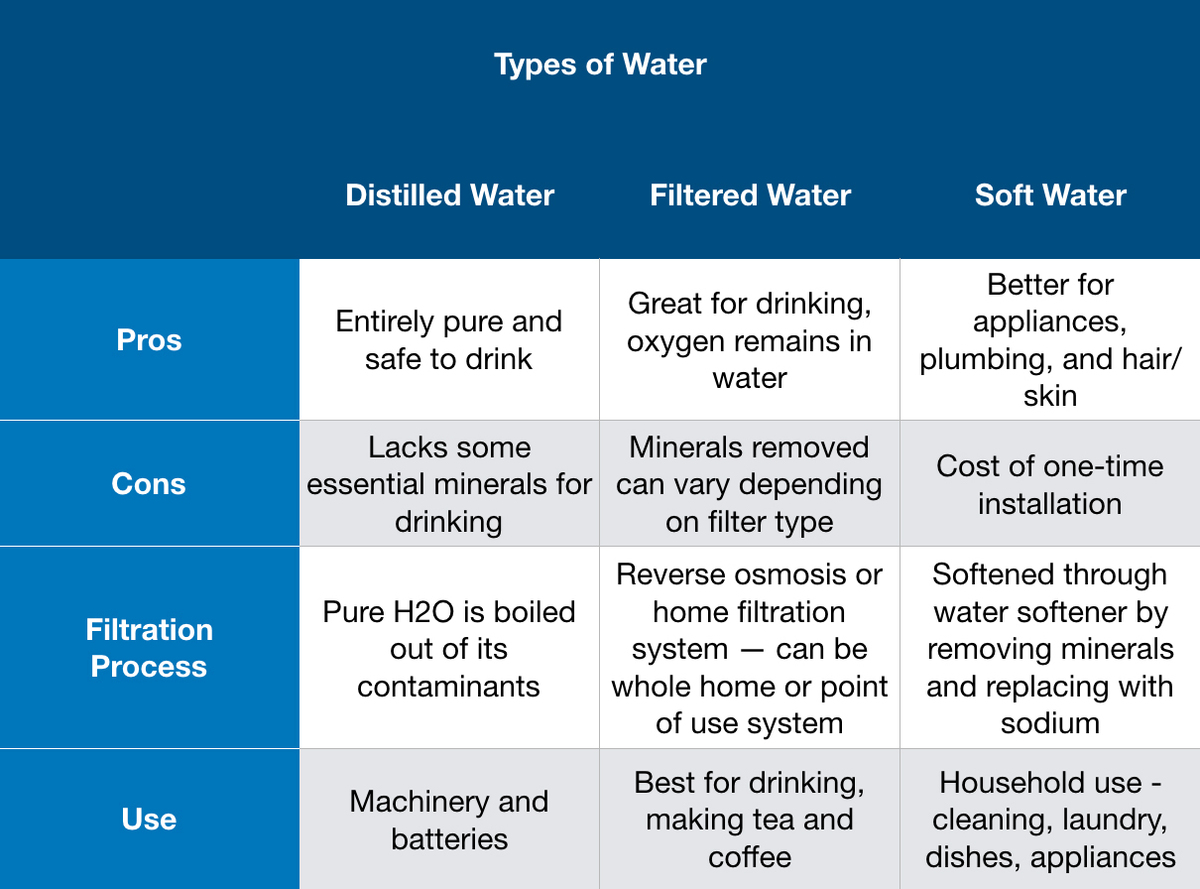
Let’s start with filtered water, because that’s the friendly neighborhood hero. Think of it as the water that went to a spa for a quick detox. It passes through a carbon block or a mesh, and out pops better tasting H2O. It’s the difference between listening to a song on a fuzzy radio and hearing it on a decent speaker. The melody is still there, but the crackles are gone.
Filtered water keeps all the good stuff—like the minerals that make your coffee taste less like regret. It’s the buddy who helps you digest your lunch without complaining. You’ll find it in Brita pitchers, fridge dispensers, and those tap attachments that your mom swears by.
Must Read
But here’s the funny part: filtered water is not a total perfectionist. It’s like wiping your glasses with your shirt. Sure, you can see better, but there’s still a smudge. It takes out the big stuff—chlorine, sediment, maybe some lead—but it leaves in the microscopic party crashers.
When Your Water Gets A Total Reboot
Now, enter distilled water. This is the water that went to a monastery for a year. It’s the water that read the manual. Distillation is a whole different beast: you boil the water into steam, catch the steam, and let it condense back into liquid. It’s like sending your water on a vacation to the clouds.
Imagine you’re making a soup. You boil it, and the steam smells like vegetables. That steam? It’s pure water. The salt, the minerals, the weird floaties—they all stay behind in the pot. Distilled water is so empty of stuff that it’s technically hungry. It wants to absorb minerals from whatever it touches, including your metal water bottle.
That’s right: distilled water is the friend who shows up to a potluck with nothing. It’s a blank slate. It tastes like… nothing. And I mean nothing. It’s so neutral that it feels like you’re drinking a memory of water. Some people love it; others look at you like you’re drinking from a puddle.
The Taste Test: Rubber vs. Rain
If you pour a glass of filtered water, you’ll notice it has character. It might be slightly crisp, a little earthy, or even a bit sweet if you live near springs. It’s like a good side character in a movie: not the star, but essential. You can cook pasta in it, brew tea, and nobody cries.
Distilled water, on the other hand, tastes flat. It’s the water version of a plain rice cake. Your tongue doesn’t know what to do with it. Some people describe it as “rubbery” or “stale,” but that’s just your mouth being confused by the lack of mineral friction. It’s why baristas use filtered water for espresso, not distilled. That coffee would taste like sad clouds.
 Distilled vs. Filtered Water: What's the REAL Difference? - Eco-savvy.blog
And here’s a kicker: if you drink distilled water for a week, you might actually feel a little off. It’s not toxic, but because it’s so pure, it can leach electrolytes from your body if you chug it all day. It’s like eating only iceberg lettuce—technically food, but your body will start sending passive-aggressive memos.
Which One Do You Actually Need?
Let’s get real. For 99% of your daily life, filtered water is your soulmate. You use it for drinking, cooking, washing your face, and watering your plants (though tap water is fine for most plants, don’t let the influencers scare you). It’s affordable, easy, and doesn’t make you feel like a science experiment.
Distilled water? That’s a specialist. You buy it for your iron, your CPAP machine, or your car’s battery. You do not drink it on a hot summer day unless you want to feel like a ghost drinking ghosts. It’s also great for making clear ice cubes—the kind fancy bars use—but let’s be honest, your freezer ice tastes fine if you shake the tray.
I once had a roommate who swore by distilled water for his pet lizard. The lizard was fine. But he also tried making coffee with it, and we all had to pretend it was okay. It wasn’t. It was like drinking a gentle apology from a motivation that had given up.
The Bottom Line (Or The Bottom Of The Glass)
Here’s the easy-going truth: filtered water is for living. It’s for hydrating after a run, for quenching a thirst that’s real. Distilled water is for machines and for people who are very committed to purity. If you see a friend drinking distilled water by the gallon, just nod and hand them a pinch of salt. They’ll figure it out eventually.
So next time you’re at a party and someone asks, “Is this filtered or distilled?” you can smile knowingly. You’re the one who knows the difference between a spa day and a total personality reboot. Now, go pour yourself a glass of filtered water, and maybe add a lemon slice. Because life is too short for water that tastes like a blank stare.
