What's The Difference Between Ph And Alkalinity

Have you ever stared at a pool test kit, a fish tank manual, or a fancy water bottle label and wondered what the big fuss is about pH and alkalinity? You’re not alone! These t...

Have you ever stared at a pool test kit, a fish tank manual, or a fancy water bottle label and wondered what the big fuss is about pH and alkalinity? You’re not alone! These two science-y words sound like they belong in a lab coat, but they’re actually the secret sauce to making your world more fun and less confusing.
Let’s be real: you don’t need a chemistry degree to enjoy a perfect cup of coffee or a sparkling clean hot tub. The difference between pH and alkalinity is actually pretty simple, and once you get it, you’ll feel like a total water wizard.
First Thing’s First: Meet pH
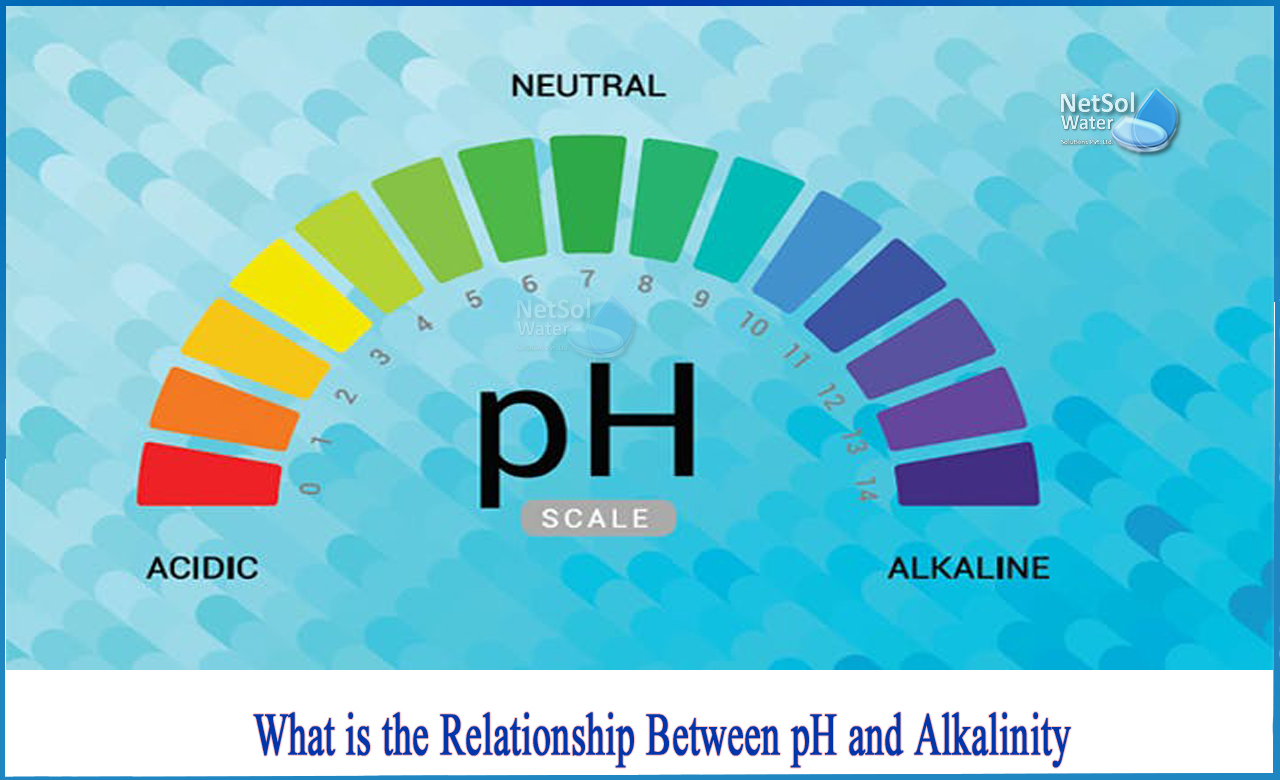
Think of pH as the personality of your water. It’s a scale from 0 to 14 that tells you how acidic or basic (alkaline) something is. A pH of 7 is neutral—like pure, boring water.
Must Read
Below 7? You’re in sour territory—think lemon juice or your car battery. Above 7? You’re sliding into gentle, soapy vibes—like baking soda or sea water.
So if your fish tank’s pH is too low, your goldfish might get grumpy. Too high? Your coffee might taste flat. pH is the mood ring of liquids—always changing, always telling you something.
Now, Meet Alkalinity: The Unsung Hero
Alkalinity is the bodyguard for your pH. It doesn’t tell you how acidic or basic the water is—it measures the water’s ability to resist changing its pH. Think of it as a shock absorber.
If you pour a little acid into plain water, the pH will crash like a bad stock market. But if the water has high alkalinity? It’s like a bouncer at a club—it says, “Not so fast, acid!” and keeps the pH steady.
Why does this matter for your everyday life? Because balance is everything. Your pool, your garden soil, your kombucha—they all need a bodyguard to keep things chill.
The Big Difference (In One Sentence)
pH tells you where you are on the acidity scale right now. Alkalinity tells you how hard it is to move from that spot.
Imagine you’re driving a car. pH is your speedometer—it shows 60 mph. Alkalinity is your cruise control—it keeps you at 60 mph even when you hit a hill. See? Simple and powerful.
 What is the relationship between pH and alkalinity
Why This Makes Life More Fun
Once you know this, you can solve everyday puzzles like a detective! Is your garden looking sad? Maybe the soil’s pH is off—but if you fix the alkalinity first, the pH will stay fixed longer. Boom. You’re a plant hero.
Making sourdough bread? A little alkalinity in your water can help the dough rise just right. Brewing beer? The difference between a crisp lager and a flat mess is often just pH and alkalinity teamwork.
You can even impress your friends at parties. Next time someone complains about “hard water,” you can say, “That’s high alkalinity acting as a buffer!” Watch their eyes go wide. You’re welcome.
A Quick Reality Check
Here’s where people get tripped up: high alkalinity doesn’t mean high pH. You can have very alkaline water (a pH of 8.5) with low alkalinity—it’s just unstable. Or you can have neutral water (pH 7) with high alkalinity—it’s stable, but not basic.
That’s why pool owners, fish keepers, and coffee snobs test both. They’re not nerds—they’re guardians of stability. And now, so are you.
The Uplifting Finish: You’re Already a Scientist
So what’s the takeaway? pH and alkalinity aren’t boring—they’re the secret dialogue between water and the world. Every time you drink a smooth glass of water, or watch your fish swim happily, or enjoy a perfect bath, you’re experiencing their dance.
You don’t need to memorize formulas. You just need to know that balance is possible—and that you have the power to create it. Whether it’s your pool, your garden, or your morning coffee, a little knowledge about pH and alkalinity turns confusion into control.
Go ahead, test that water. Ask questions. Tinker. The universe is full of delightful little puzzles, and you’ve just unlocked one more. Stay curious, stay balanced, and keep making your corner of the world a little more awesome.
