Restaurant Well Water Chlorine Filtration System

Let’s talk about something glamorous: restaurant well water chlorine filtration. I know, I know—it sounds about as exciting as watching paint dry on a pickle jar. But trust me...

Let’s talk about something glamorous: restaurant well water chlorine filtration. I know, I know—it sounds about as exciting as watching paint dry on a pickle jar. But trust me, by the end of this, you’ll realize it’s the unsung hero of your Friday night pasta. And I’ll throw in some jokes so you don’t fall asleep into your salad.
Why Your Tap Water Smells Like a Public Pool
Picture this: you’re at a cozy farm-to-table restaurant. The ambiance is perfect—candles, soft jazz, waitstaff with ironic mustaches. Then you take a sip of water, and boom—it tastes like you’re licking a swimming pool filter. That’s chlorine, baby, and it’s not there for your enjoyment.
Chlorine is actually a lifesaver. It kills bacteria, viruses, and the ghost of last week’s coleslaw. But when a restaurant draws water from a well, the chlorine might be cranked up to “lab experiment” levels. Why? Because well water is basically nature’s mystery soup—full of minerals, microbes, and maybe a shy tadpole.
Must Read
Fun fact: Chlorine was used in World War I as a chemical weapon. Now we put it in our drinking water to stop us from getting dysentery. Progress is weird, folks.
The Great Well Water Gamble
Restaurants love well water because it’s free—sort of. But free doesn’t mean clean. Well water can contain iron (rusty tango in your mouth), sulfur (think rotten eggs on a date), and manganese (makes water look like iced tea, but not in a fun way).
So they add chlorine. Lots of it. And suddenly your beautiful artisan flatbread tastes like a bleach sandwich. That’s where the chlorine filtration system struts in, cape fluttering, to save the day (and your taste buds).
Surprising fact: A well can produce water that’s 10 times more contaminated than city water. Restaurants without filtration are basically playing Russian roulette with your digestive system. Bon appétit!
How a Chlorine Filter Actually Works (No Science Degree Required)
Imagine a bouncer at a club. Except instead of checking IDs, this bouncer grabs chlorine molecules and kicks them out before they can ruin the party. Activated carbon filters are the bouncers—they’re like sponges with a vendetta against chemical smells.
Some systems use reverse osmosis, which sounds like a yoga position but is actually water pushed through a membrane so tight, not even a chlorine molecule can squeeze through. It’s like water training for the Olympics of purity.
And then there’s UV light—yes, the same kind that gives you sunburns. It zaps any leftover bacteria with death rays. Restaurant water: now safer than a nuclear bunker, and tastier too.
The Real Drama: When the Filter Fails
I once visited a diner where the water tasted like a chemistry lab’s leftover beaker. The waiter shrugged and said, “Yeah, the filter’s on backorder.” I ordered a soda. Lesson learned: a broken chlorine filter turns your water into an agent of chaos.
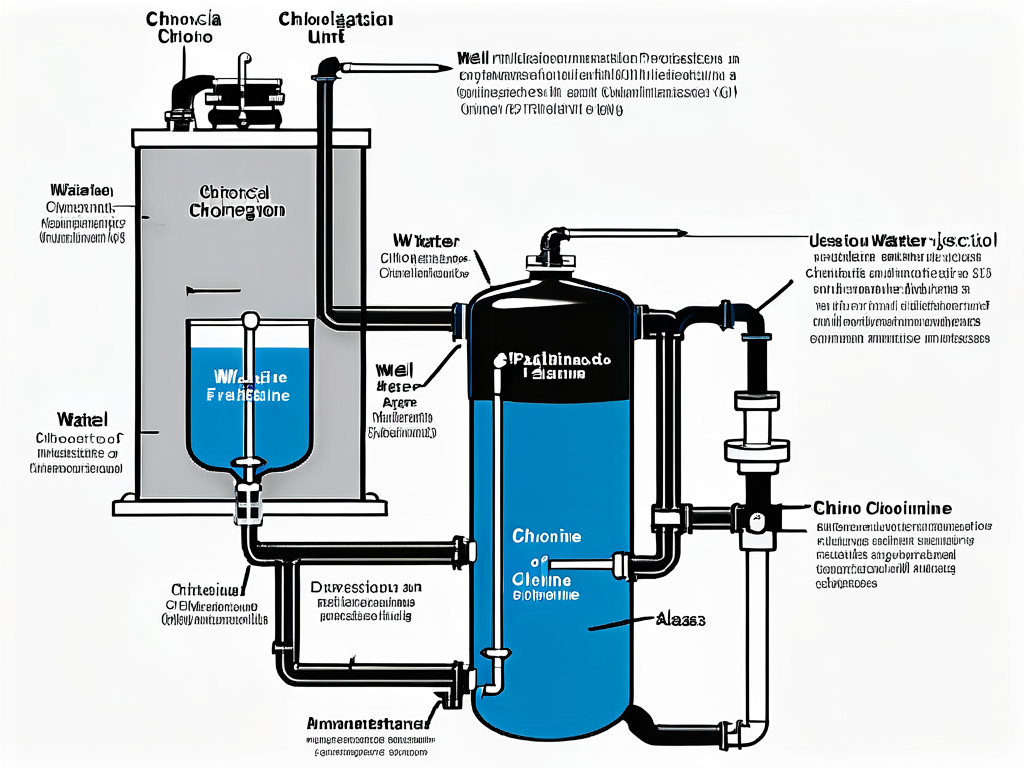 Understanding Well Water Chlorine Injection Systems: A Comprehensive Guide
Without filtration, chlorine can react with organic compounds in well water to form disinfection byproducts. That’s fancy science-speak for “things that might give you a headache and make you question your life choices.” It’s like the water is gaslighting you into thinking you hate tap water.
Gross fact: Some byproducts are linked to bladder cancer after long-term exposure. So yes, your filter isn’t just about taste—it’s about not playing health roulette every time you order a Diet Coke.
What Every Restaurant Owner (and Cynical Foodie) Should Know
If you own a restaurant on a well, please get a decent filtration system. I’m begging you. Your customers will thank you by not sending back that “funny-tasting” glass of water and then writing a Yelp review titled “Chlorine Jamboree.”
Look for systems with carbon block filters (they’re the gold standard), catalytic carbon (it sounds like sci-fi, but it works), or a combination of sediment and UV. And please, please maintain them. A filter that hasn’t been changed in six months is just a decoration that makes everyone sad.
Pro tip: Ask your server, “Hey, do y’all filter your well water?” If they look confused, run. If they smile and say “Yes, and it’s delicious,” marry them—or at least become a regular.
A Toast to the Unsung Hero
So next time you’re at a restaurant and the water tastes like crisp, neutral, heavenly nothing, raise a glass. That’s the magic of a well-maintained chlorine filtration system working its behind-the-scenes butt off. No fanfare. No Michelin stars. Just pure, un-btouchable water.
And if you ever taste chlorine again, don’t panic—just order a beer. It’s filtered too. (Mostly. Probably. Don’t think about it.)
Final surprising fact: The global market for water filtration in restaurants is expected to hit $8 billion by 2027. That’s a lot of money to spend so your water doesn’t taste like a swimming pool. Worth every penny.
