How Do You Know If Your Water Softener Is Working

So you’ve got a water softener—good for you! It’s like having a tiny, tireless wizard living under your sink, dedicated to banishing hard water woes. But here’s the thing: how...

So you’ve got a water softener—good for you! It’s like having a tiny, tireless wizard living under your sink, dedicated to banishing hard water woes. But here’s the thing: how do you really know if your water softener is working? Let’s run a few quick tests—no lab coat required, I promise.
The Soap Suds Test
First up: your hands. Wash them with plain soap—no fancy, moisturizing stuff. If your water is soft, you’ll get a rich, fluffy lather in seconds, and your hands will feel squeaky clean afterward.
Hard water? You’ll struggle to work up a lather, and your skin might feel sticky or filmy. That film is actually soap scum sticking to you—yuck! If your suds are abundant, your softener is likely doing its happy dance.
Must Read
The Spot Test
Now, look at your dishes. When you pull a glass from the dishwasher, are there water spots or a hazy film? No spots? That’s the golden ticket. Soft water rinses cleanly—no mineral deposits to dull your glassware.
If you do see spots, your softener might be slacking—or just need a refill of salt. But if your glasses sparkle like diamonds, give yourself a little high-five. Your softener is winning.
The Skin & Hair Check
Let’s talk about your shower experience. After washing, does your skin feel smooth and soft instead of tight or dry? Hard water strips natural oils, but soft water leaves them right where they belong—on you. Same for your hair: silky, easy to brush, no frizz explosion. That is what a working softener feels like.
And hey, if your partner starts commenting on how nice your skin looks—well, that’s just a bonus. You’re glowing, friend, and your softener deserves some credit.
The Salt Check (Boring but Brilliant)
Okay, a practical moment. Open your softener’s brine tank and peek inside. Is there salt? It should be at least half-full, and it should look like damp, rock salt, not a solid block. If it’s a hard, crusty mass—that’s “salt bridging,” and it’s a sign your system is struggling. A quick break with a broom handle can fix it.
Also, listen for a gentle hum or a soft whoosh during the night—that’s your softener regenerating. If you hear nothing, it might be napping on the job. Don’t worry, we’ll wake it up together.
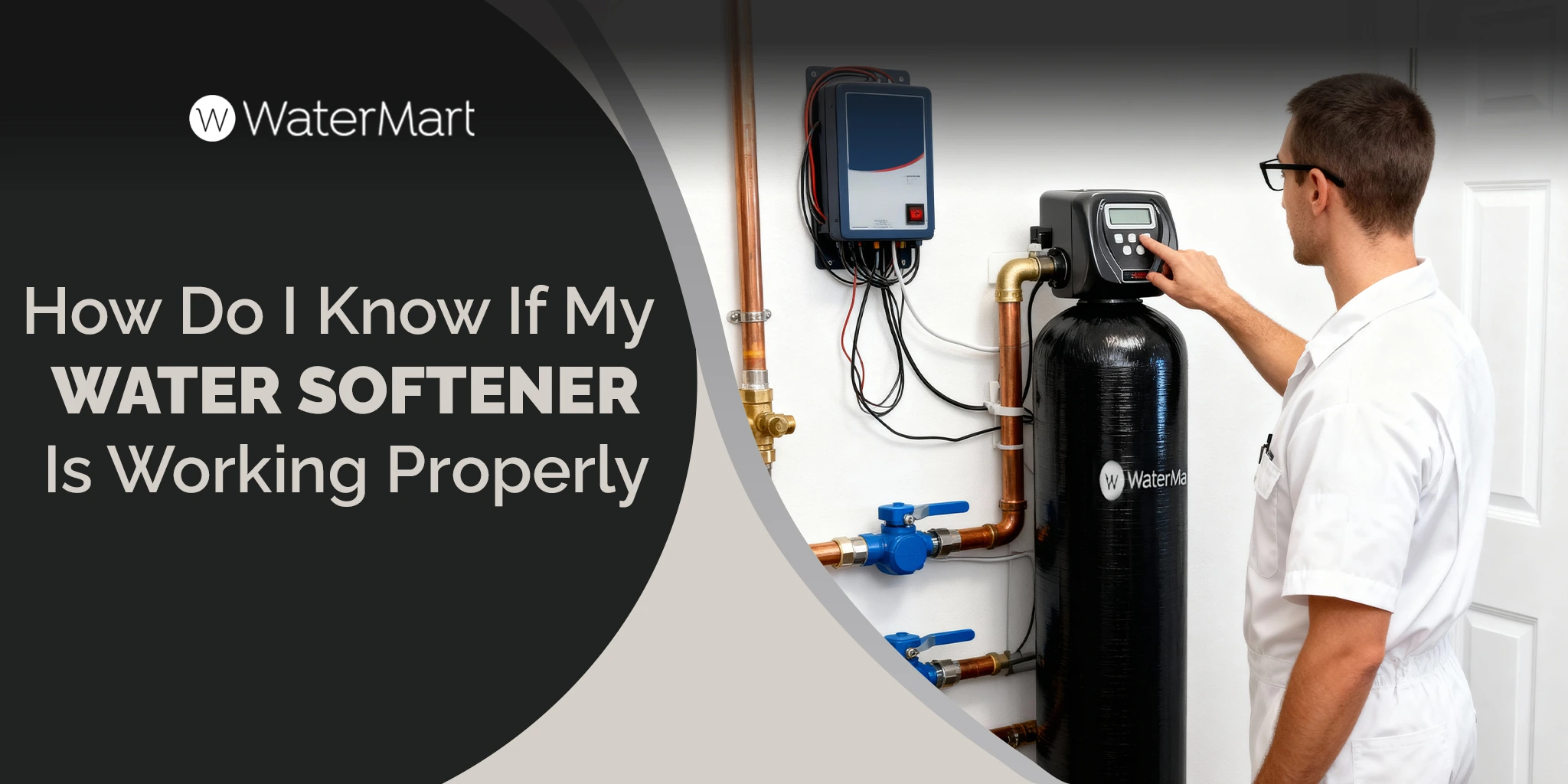 How do I know if my water softener is working properly?
The Hard Water Enemy
Here’s why all this matters: hard water is a sneaky villain. It clogs pipes, ruins water heaters, and turns your laundry grey and stiff. A working softener saves you money, time, and frustration—and it makes your morning coffee taste better. Yes, really. Soft water doesn’t have that metallic tang.
Imagine: no more scrubbing soap scum off shower doors, no more bottle of vinegar under every sink. You’re basically living in a luxury spa now. You deserve it!
When in Doubt, Get a Test Kit
If you’re still unsure, grab a water hardness test kit from any hardware store. It’s cheap and takes five minutes. Fill a vial with tap water, add a drop or two, and watch the color change. Hard water turns pink, soft water stays blue. It’s like a science experiment for adults—and you get to be the hero!
If it’s blue, your softener is working perfectly. If it’s pink, you’ve got a clue to chase down. No shame in checking—that’s just smart living.
The Uplifting Truth
Here’s the beautiful part: once you know your water softener is working, you can stop worrying about it. You’ve got one less thing on your mental to-do list. That’s space for bigger, better, more fun things—like learning how to adjust your softener’s settings for peak efficiency, or experimenting with that fancy new soap that only works in soft water.
So go ahead, run a suds test, admire your spotless glass, and give your softener a little “thank you.” It’s a quiet piece of daily magic. And now you’re the one who knows. You’re a soft-water detective, and life just got a whole lot softer. Cheers to that!
