Whole Home Water Filtration System Reverse Osmosis

Last week, my neighbor Dave invited me over for a glass of water. He handed me this crystal-clear, ice-cold glass, looking proud as a peacock. I took a sip, and honestly? It t...
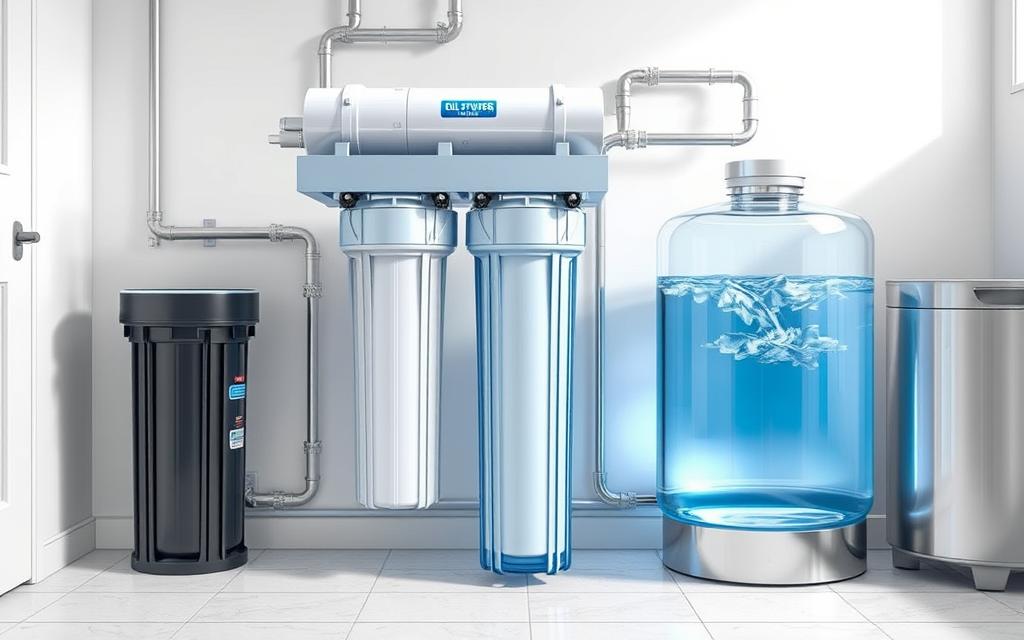
Last week, my neighbor Dave invited me over for a glass of water. He handed me this crystal-clear, ice-cold glass, looking proud as a peacock. I took a sip, and honestly? It tasted like nothing. Which, in the world of tap water, is basically a miracle.
Dave then launched into a twenty-minute monologue about his newly installed whole home water filtration system with a reverse osmosis (RO) stage. I nodded along, trying to look smart, but secretly wondering if he’d just bought fancy plumbing. Turns out, he kind of did—and it’s genius.
So, what exactly is this "whole home" business?
Most people think of water filters as that sad little pitcher sitting in your fridge. You know, the one you forget to refill until the next dry-throated crisis. A whole home system is the total opposite—it treats every single drop that enters your house.
Must Read
That means your shower, your washing machine, your toilet, and even your garden hose get filtered. Yes, the hose. Because apparently, your lawn deserves better than rusty city water too.
The Reverse Osmosis part is where the magic (and the science) happens.
Reverse osmosis, or RO, is basically filtration on steroids. It forces water through a semi-permeable membrane that catches basically everything: lead, chlorine, pesticides, fluoride, and that weird metallic taste I used to think was "normal."
Imagine a bouncer at an exclusive club—only pure H₂O molecules get through. Everything else? Kicked to the curb. (Technically, it’s flushed down a drain, but the image is more fun.)
Now, combine that with a whole home pre-filter and a carbon filter, and you’ve got a system that tackles sediment, big chunks, and even the funky smells. It’s like a spa day for your pipes—every day.
But do you really need to filter all the water in your house?
Okay, let’s be real: you probably don’t need to filter the water you flush. Your toilet doesn’t care about clarity or taste. But here’s the thing—hard water and chlorine wreck your appliances.
That scaly white buildup on your faucet? That’s also slowly murdering your washing machine and dishwasher. A whole home system removes those minerals, so your coffee maker doesn’t die after three months. (And your skin doesn’t feel like sandpaper after a shower.)
Plus, there’s the peace of mind factor. I don’t know about you, but I’d rather not drink microplastics or worry about what’s clinging to my toothpaste. With RO, you’re basically giving your water a PhD in purity.
The "dirty" secret nobody tells you
Here’s the ironic part: RO systems waste water. For every gallon of purified water, they might dump two to three gallons down the drain. It’s a bit like making a smoothie and throwing away half the fruit.
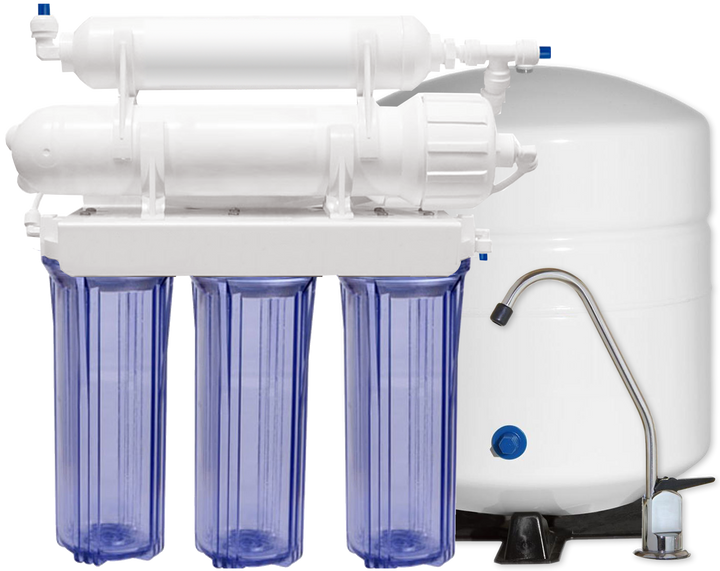 Whole House Reverse Osmosis Systems | Whole Home Water Systems
But modern systems are getting smarter. Some now have permeate pumps or zero-waste kits that recycle that reject water to use for your garden or toilet. See? Even waste can be classy.
Installation: It’s not as painful as you think
I’m about as handy as a cat wearing oven mitts, but even I looked at the instruction manual and didn’t cry. Most whole home RO systems are installed near your main water line—usually in the basement or garage.
You’ll need a plumber for the initial setup unless you’re a DIY god. But once it’s in, maintenance is just swapping filters every six months. That’s less time than you spend arguing with your smart home device.
Oh, and you might need a separate faucet at your sink for the RO water, because the flow rate is slower. It’s a small sacrifice for water that tastes like it came from a mountain spring—if that mountain was sponsored by science.
But is it worth the cost?
A good whole home system with RO can run you anywhere from $1,500 to $4,000. That’s not cheap, I know. But think about it: you’re not buying bottled water anymore. You’re not buying that expensive espresso machine descaling solution. You’re not replacing your water heater every five years.
Compare that to the cost of a lifetime worth of plastic bottles and premature appliance death, and it actually makes sense. Plus, the smug factor of telling guests, "That’s filtered, through my whole house," is priceless.
Final thoughts from a newly converted believer
I’ll be honest: I thought Dave was being a show-off. Now I’m googling local plumbers at 2 AM. He’s not just providing water—he’s curating an experience. And I want in.
So if you’re tired of the taste of pool chemicals in your morning glass, or if your skin is begging for a break from hard water, maybe look into a whole home RO system. Your pipes, your body, and your laundry will thank you.
Just don’t forget to refill that glass. Because the only thing worse than unfiltered tap water is a dry mouth when you’re bragging about your new fancy system.
