Waterproofing For Commercial And Residential Seguin

Let’s be honest: water is wonderful, until it isn’t. It’s the guest that overstays its welcome, seeping into basements, ruining drywall, and turning your peaceful Seguin home...
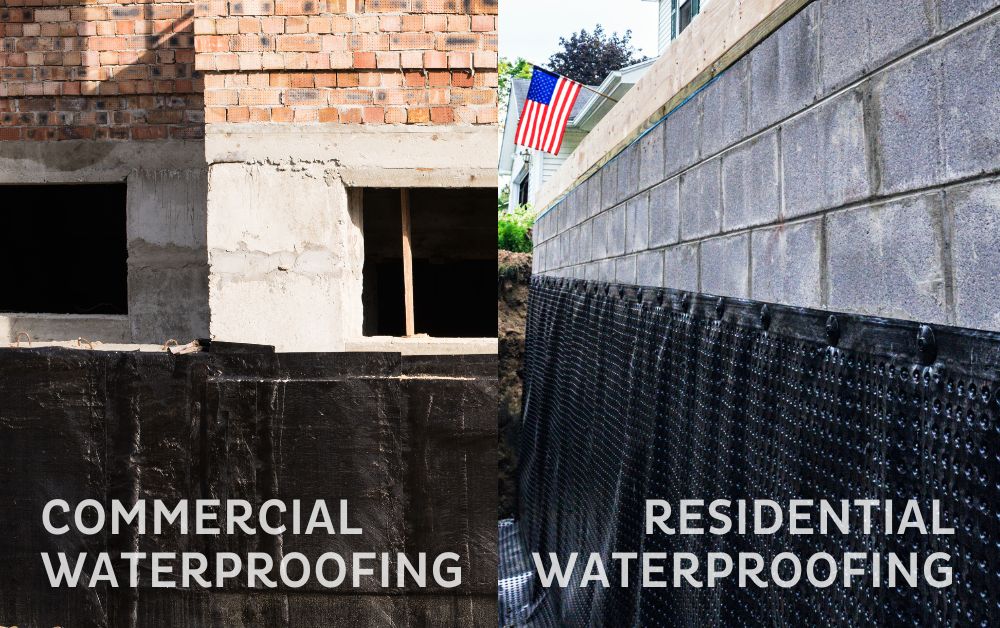
Let’s be honest: water is wonderful, until it isn’t. It’s the guest that overstays its welcome, seeping into basements, ruining drywall, and turning your peaceful Seguin home into a damp, musty memory. Whether you’re nestled in a historic residential bungalow or running a bustling commercial space on the square, waterproofing isn’t just a chore—it’s a strategic choice for longevity.
Think of this as the ultimate insurance policy you actually want to use. In Seguin, where the Guadalupe River weaves its charm and summer thunderstorms arrive with dramatic flair, moisture management becomes a local art form. The good news? Modern waterproofing has evolved far beyond the days of slapping on a coat of tar and hoping for the best.
For residential warriors, the first line of defense is your foundation. A single crack can funnel more water than you’d believe—enough to turn a cozy living room into a makeshift swimming pool. Pro tip: check your gutters and downspouts first, because 90% of moisture issues start above ground, not below.
Must Read
Commercial properties demand a different, more robust mindset. Imagine a restaurant kitchen, a retail store, or a warehouse—any leak here doesn’t just damage inventory; it disrupts daily operations and customer trust. The solution often lies in interior drainage systems paired with exterior waterproofing membranes, a commercial-grade duo that handles high-volume water pressure like a champ.
And here’s a fun Seguin fact: the city’s historic district, with its stately homes and old brick buildings, sits on varied soil types that expand and contract with moisture. This ground movement—called “heave”—is a silent enemy. Waterproofing here isn’t just about keeping water out; it’s about stabilizing the whole structure so your walls don’t crack like a dried-out riverbed.
Practical Tips That Actually Work
Tip #1: The “Gutter Test.” Wait for a heavy rain—then stand outside in a raincoat (yes, really). Watch where water flows from your roof. If it pools near the foundation, you’ve found your villain. Fix it by extending downspouts at least five feet from the building.
Tip #2: Slope Is Your Friend. The ground around any structure should slope away at least six inches over ten feet. Think of it as a subtle, invisible moat. If your yard looks like a birdbath, it’s time to add some dirt and grade it properly.
Tip #3: Sealants Are Not Forever. Caulking around windows, doors, and pipe penetrations dries out over time. Give it a spring check-up every year—right before Seguin’s humidity kicks in. A $5 tube of silicone can prevent a $5,000 repair.
Tip #4: Don’t Forget the Crawlspace. If your home has one, it’s the forgotten lung of the house. A vapor barrier (a thick plastic sheet) on the ground prevents ground moisture from rising into your floorboards. Your wooden subfloors will thank you with a decade of extra life.
Cultural Context: Water in Seguin
Let’s not forget that Seguin’s identity is tied to water—from the iconic river floating to the annual Texas Water Safari that passes nearby. We celebrate water, we swim in it, and we need it. But inside our buildings, it’s a different story. There’s a certain Texan pragmatism here: respect the river, but keep it out of your living room.
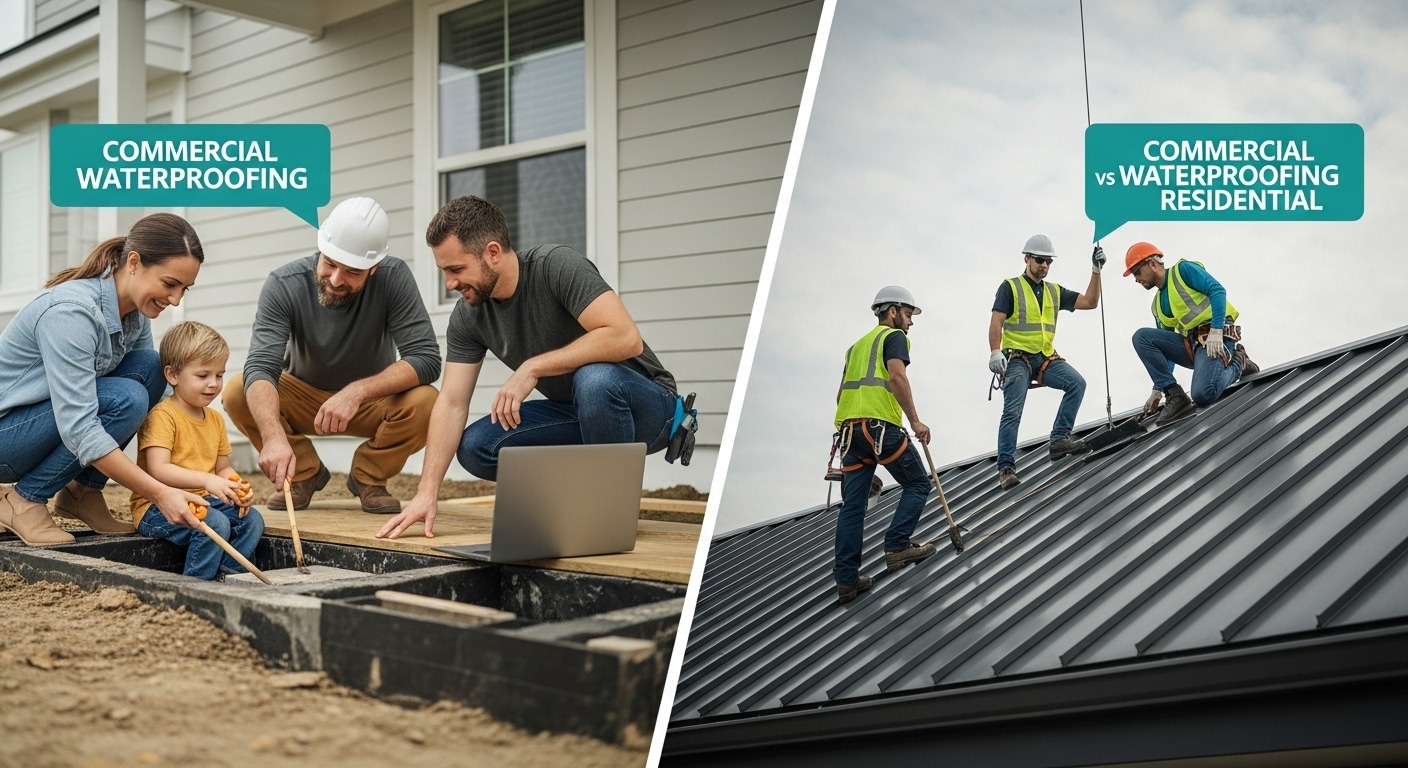 Understanding Commercial Waterproofing vs Residential
Fun fact: Seguin is part of the “Texas Hill Country Balcones Fault Zone,” a geological region that creates natural springs and aquifers. That’s beautiful for the landscape, but it also means your basement is sitting on a hidden network of groundwater. Waterproofing here isn’t just about rain—it’s about managing an ancient, subterranean visitor.
Another fun fact: The world’s first waterproofing system wasn’t invented in a lab—it was used by the ancient Babylonians over 4,000 years ago. They coated their walls with bitumen (natural tar) to keep out the Euphrates River. We’ve just traded tar for modern polymers, but the mission remains the same: keep the wet outside, where it belongs.
The Modern Approach: Smart & Sustainable
Today’s waterproofing is almost glamorous. There are crystalline sealants that react with concrete to form a permanent barrier inside the material itself. There’s even “cementitious waterproofing” that you can apply like paint—but it actually bonds chemically. No more ugly gray patches.
For commercial spaces, consider liquid-applied membranes. They roll on like paint but cure into a seamless, rubber-like layer that flexes with the building. Perfect for flat roofs on Seguin’s strip malls and offices, where ponding water is a constant threat.
And if you’re thinking of a full-scale project, always hire a professional who understands local soil conditions. A one-size-fits-all solution from a big box store won’t cut it here. Seguin’s unique clay and limestone blend requires someone who’s seen a few Texas storms.
A Short Reflection
Waterproofing is, in a strange way, a metaphor for daily life. We build barriers not to reject the world, but to protect the spaces where we live, work, and grow. A dry home is a peaceful home, free from the anxiety of leaks and the smell of mildew.
It’s about small, consistent acts of preparation—checking a gutter, sloping a yard, sealing a crack—that add up to a quiet, lasting comfort. In Seguin, where the river flows and the storms roll in, we don’t fight the water; we just channel it away, with style and intelligence. After all, a little thought today means many dry, happy tomorrows.
So go ahead, embrace the rain. Just make sure it stays outside, where it can dance on the roof—while you stay warm, dry, and perfectly at ease.
