Reverse Osmosis Water Filter System For Whole House

Let’s be honest: tap water has a reputation problem. It’s either the slightly metallic stuff from the kitchen or the bottled kind that makes you feel guilty about the plastic....
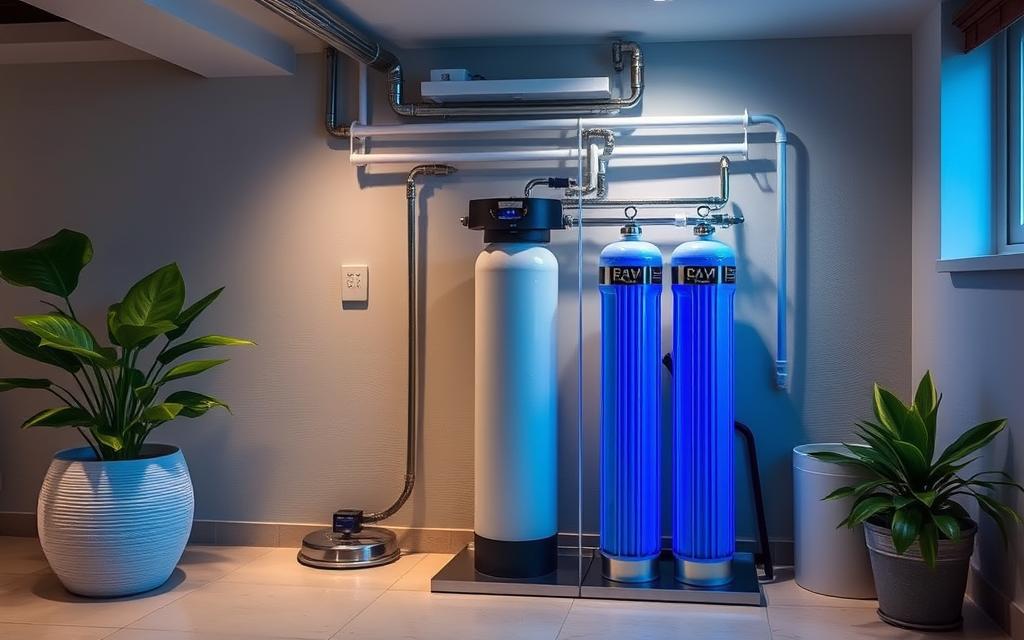
Let’s be honest: tap water has a reputation problem. It’s either the slightly metallic stuff from the kitchen or the bottled kind that makes you feel guilty about the plastic. Enter the reverse osmosis (RO) water filter system for your whole house—the quiet, high-tech upgrade your plumbing didn’t know it needed.
What Exactly Is Whole-House Reverse Osmosis?
Think of it as a personalized water spa for every faucet, shower, and appliance in your home. Reverse osmosis pushes water through a semipermeable membrane, trapping contaminants like lead, chlorine, fluoride, and even those tiny microplastics you’ve seen in headlines. It’s the same tech NASA uses to recycle astronaut urine—though, thankfully, your glass of water tastes a lot less sci-fi.
Unlike a countertop filter that only serves one sink, a whole-house system treats every drop that enters your pipes. Imagine showering without that chlorine smell, or washing lettuce in water that’s actually cleaner than what’s in those expensive bottles. Yes, it’s a luxury—but one that quietly transforms your daily grind.
Must Read
Why Should You Care? (Beyond the Obvious)
Here’s the cultural callback: remember that scene in The Matrix where Neo drinks the red pill? Whole-house RO is the red pill for your water. It strips out the stuff you can’t see but can feel—like hard water deposits that leave spots on your glasses or that weird film on your skin after a shower. Your morning coffee tastes dramatically better, and your tea no longer has that flat, metallic aftertaste.
It’s also a savior for your appliances. Calcium and magnesium buildup is the silent killer of dishwashers and water heaters. RO water is nearly mineral-free, meaning you’ll spend less money on descaling solutions and replacement parts. Think of it as a maintenance hack that pays for itself over time.
The Fun Facts You Didn’t Ask For
Did you know that a typical whole-house RO system can remove up to 99% of total dissolved solids? That’s the stuff that makes water “hard” or tastes like a swimming pool. Also, contrary to old myths, drinking RO water won’t leach minerals from your body—your diet does that job just fine. And here’s a party trick: RO water has a lower surface tension, which means it can extract flavors from your coffee grounds better than tap water. Your barista friends will be jealous.
The technology uses no electricity in most systems—just water pressure—making it surprisingly eco-friendly. You’ll also drastically cut down on single-use plastic bottles. One well-maintained RO system can eliminate the need for hundreds of plastic bottles per year. That’s a win for your wallet and the planet.
The Practical Side: Installation and Maintenance
Don’t panic: installation is not a DIY nightmare, but you’ll want a pro unless you love crawling under sinks with a wrench. Most whole-house RO systems require a dedicated space near your main water line, like a basement or garage. They also produce a small amount of wastewater (about 2-3 gallons per gallon of filtered water), which is often reused for gardening or flushing toilets if you set up a loop. It’s not wasteful—it’s resourceful.
Maintenance is low-key: replace the pre-filters every 6-12 months (like changing a Brita cartridge, but bigger) and the RO membrane every 2-3 years. A simple yearly check-up keeps everything humming. The cost? Expect to invest $1,500 to $4,000 upfront, depending on your home’s size and water quality. That’s the price of a good sofa—but this one delivers clean water to your whole house for a decade or more.
 How Do Water Filters Work? Types & Benefits Explained
Practical Tips for the Curious
Before you buy, test your water quality. A cheap kit from a hardware store reveals what you’re dealing with—hardness, chlorine, or nitrates. If you’re on city water, a whole-house RO is often overkill; a point-of-use under-sink system might suffice. For well water with sediment or heavy metals, the whole-house upgrade is a game-changer.
Also, consider adding a remineralization filter after the RO membrane. Why? Because some people prefer the taste of a few minerals (magnesium, calcium) for drinking. It’s like putting a pinch of salt on a perfect steak—optional, but nice. Alternatively, skip the remineralizer and just eat more leafy greens. Your body won’t care, and your pipes will thank you.
The Cultural Reflection: Water as a Status Symbol
We live in an age where we obsess over organic kale, artisanal ice, and 24-step skincare routines. Yet we rarely give the same attention to the water that touches everything we consume and wash. Installing a whole-house RO system is like buying a silent upgrade for your lifestyle—you don’t see it working, but you feel it everywhere.
Picture this: you’re at a dinner party, pouring a guest a glass of tap water from your pristine, unmarked faucet. They take a sip, pause, and ask, “Wait—is this bottled?” You smile, because you know it’s better. That’s the moment the system pays for itself in quiet, personal satisfaction.
And honestly, there’s something meditative about knowing your morning shower isn’t just cleaning you—it’s treating you to water that’s as pure as a mountain spring. Your skin feels softer, your hair shinier, and your kettle never, ever grows that white crust again.
So here’s the closing thought: good water isn’t a luxury; it’s a foundation. It’s the base of every meal, every bath, every cup of coffee that starts your day. A whole-house reverse osmosis system isn’t just a filter—it’s a gentle, constant reminder that the simplest things, when done right, can transform your whole rhythm of life. Now go fill your glass, and enjoy the quiet magic of water that’s finally, beautifully, just water.
