Can I Use My Dishwasher During A Boil Water Advisory

So, your town just issued a boil water advisory. Your first panicked thought? “Does this mean I’m washing my jeans by hand like a pioneer?” Take a deep breath—and maybe a sip...
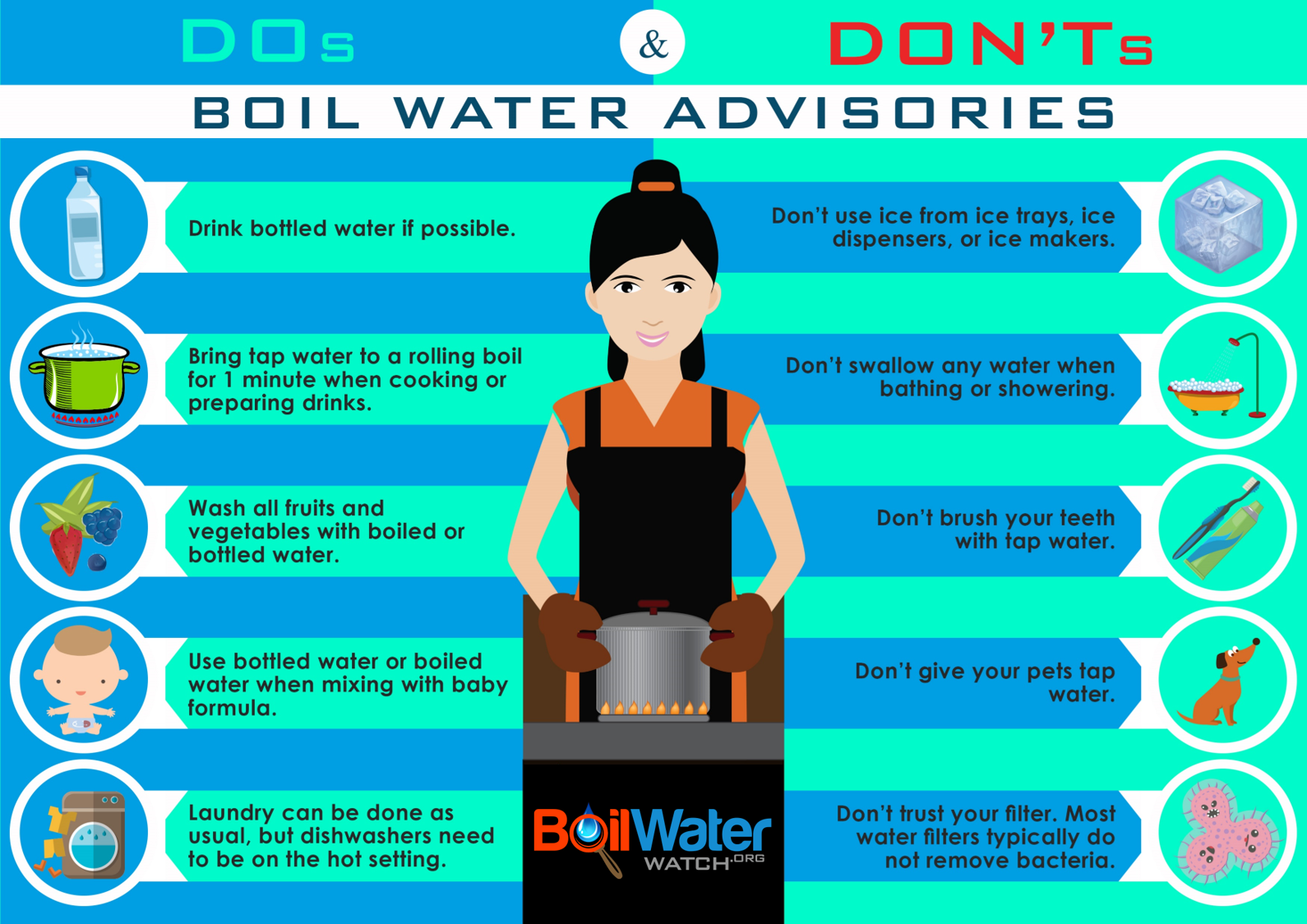
So, your town just issued a boil water advisory. Your first panicked thought? “Does this mean I’m washing my jeans by hand like a pioneer?” Take a deep breath—and maybe a sip of that bottled water—because we’re about to rescue your appliance routine. Let’s tackle the thrilling question: Can I use my dishwasher during a boil water advisory? Spoiler: The answer is YES, and it might even make your life more fun.
The Hot Truth About Your Dishwasher
Your dishwasher is basically a tiny, very efficient steam engine. Most modern dishwashers hit a final rinse temperature of around 150°F to 160°F—way above the 212°F boiling point? No, but wait. The key isn’t just temperature; it’s sustained heat. The sanitation cycle in many dishwashers holds water at 155°F for several minutes, which is more than enough to kill the same bacteria and viruses a rolling boil would zap.
But here’s the catch: you need to use the sanitize cycle. If your machine doesn’t have one, you’re relying on a standard wash that might only hit 130°F—safe for cleaning, but not a guarantee against every waterborne bug. So, check your manual. Yes, that dusty booklet you swore you’d read. It’s your new best friend.
Must Read
The Glassware Conspiracy (and Why It’s Fine)
Worried about spotty glasses? Oh, the drama! During a boil water advisory, your water might be a little cloudier with sediment. But your dishwasher detergent is a hero in disguise. It’s designed to bind to minerals and flush them away, so your wine glasses will still sparkle—no need to hand-dry them with a precious paper towel.
Pro tip: If your water looks extra murky, skip the “air dry” option. Use heated dry instead. The high heat will evaporate any lingering water droplets, leaving your dishes sanitized and streak-free. See? Science is on your side.
The Only Thing You Should Never Do
Here’s the one rule that will save you from a soggy disaster: do not rinse your dishes before loading during an advisory. I know, I know—you’re a pre-rinser. But hear me out. When you rinse with tap water that’s under a boil order, you’re literally adding potentially contaminated water to the party. Instead, just scrape off food scraps into the trash.
Let the dishwasher’s high-heat cycle do the dirty work. It’s like giving your dishes a spa day—minus the wrinkly fingers. And if you’re still anxious? Run the sanitize cycle twice. It’s overkill, but it’s also the most satisfying kind of over-protection.
What About Your Hands? (A Friendly Warning)
Okay, you can’t put your hands in a dishwasher (sadly). So remember: after you unload those sparkling dishes, wash your hands with boiled or bottled water. This is a classic “do as I say, not as I do” scenario. No one wants to get sick from high-fiving a clean plate. Keep a spray bottle of bleach-water near the sink—it’s the perfect hand-sanitizer backup for advisory life.
 Can You Use Dishwasher During Boil Water Advisory? Safe Tips!
The Fun Part: Embrace the Chaos
Here’s where it gets inspiring. A boil water advisory is a free excuse to test your home’s resilience. Suddenly, you’re not just a dishwasher user—you’re a water safety detective. You’re checking temperatures, reading manuals, and becoming a home sanitation ninja. It’s like a DIY survival show, but with less dirt and more suds.
Plus, think of the conversation starter! Next time a friend says, “Ugh, my dishwasher,” you can casually drop, “Remember that time I ran my sanitize cycle during a boil order? I never looked back.” You’ll sound like a kitchen legend.
Your Final, Uplifting Takeaway
So yes, you can absolutely use your dishwasher during a boil water advisory—as long as you use the sanitize cycle. Your machine is built for this moment. It’s a high-heat champion that doesn’t care about cloudy water. And in a world full of uncertain news, knowing your dishwasher has your back feels a little like a victory.
Here’s your inspiring note: Every advisory is just a reminder of how clever you can be. You’ll emerge from this with cleaner dishes, a deeper appreciation for your appliances, and maybe—just maybe—a new habit of reading your manual. Go on, load that machine. You’ve got this.
And hey, if you’re still curious? The same logic works for your washing machine. But that’s a story for another day… unless you want to start that research now. 😉
