How Long After Drinking Contaminated Water Do You Get Sick

So, you accidentally gulped down some questionable water. Maybe it was from a stream that looked a bit too "crystal clear" or a tap in a foreign country you're visiting. Now y...
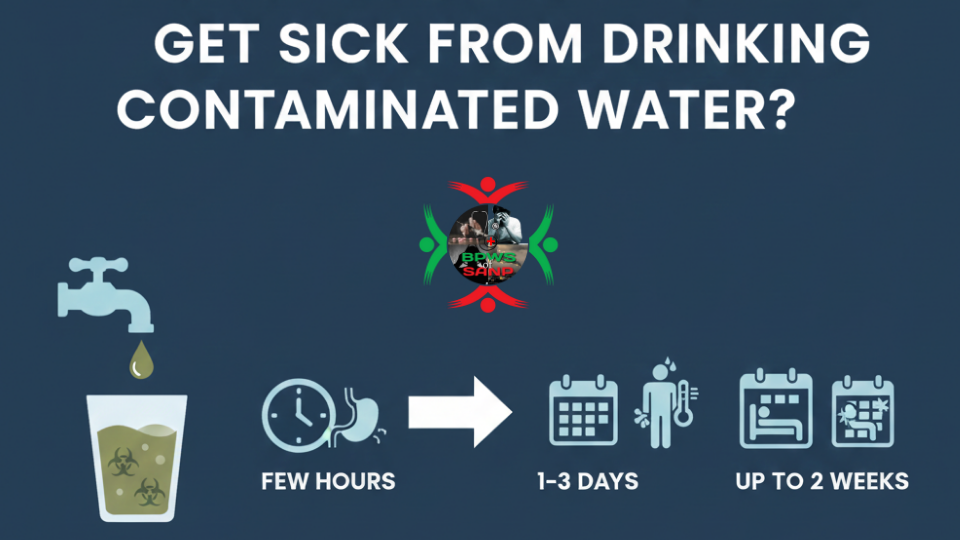
So, you accidentally gulped down some questionable water. Maybe it was from a stream that looked a bit too "crystal clear" or a tap in a foreign country you're visiting. Now you're sitting there, waiting for the other shoe to drop, thinking, "How long until my stomach declares war?"
The honest, slightly unsettling answer is: it depends. Contaminated water isn't a single villain; it's a whole rogues' gallery of microscopic baddies. And each one has its own favorite timeline for making you miserable.
The "Quick and Dirty" Invaders
Some germs are in a hurry. Think of them as the sprinters of the stomach bug world. If you drank water loaded with Norovirus or Staphylococcus aureus (the classic "food poisoning" crew), you might feel sick in as little as 12 to 48 hours.
Must Read
Why so fast? These guys don't need to settle in; they release toxins directly. It's like they send in a shock-and-awe team to your gut, and your body reacts promptly with vomiting or diarrhea. It's miserable, but it's also your body's very fast, very angry security system.
Ever had a bad burrito and felt weird before you finished the movie? That's this crew, but in water form. It's the speed run of getting sick, and honestly, it's a little impressive how quickly your body says "NOPE."
The "Slow Burn" Parasites
Then you have the other team: the patient, stealthy parasites like Giardia or Cryptosporidium. These microscopic party-crashers are marathon runners, not sprinters. They might take a whole 1 to 2 weeks to make you feel anything.
Isn't that weird? You'll be drinking that water, feeling totally fine for a whole vacation. You'll get home, unpack, and a week later, your digestion just... stops working right. You get bloated, gassy, and your energy tanks.
It’s like they set up a little apartment in your intestines and slowly lower the property values. You don't know you have visitors until they've redecorated your plumbing with explosive results. Giardia is famously nicknamed "Beaver Fever" – how's that for a fun fact?
What About the Bacteria?
Bacteria like E. coli or Salmonella fall somewhere in the middle. They're the careful planners. After you swallow them, they need to multiply and establish a beachhead in your gut. You usually won't hear from them for about 24 to 72 hours.
It's a patient game of hide-and-seek. They're busy diving into your intestinal walls, setting up camp, and recruiting friends. When the army is big enough, they send a signal, and bam—cramps, fever, and the classic bathroom shuffle.
Notice the pattern? There's no one-size-fits-all clock. Timing is a wild card based on the specific bad guy in your water, plus your own immune system and how much water you drank.
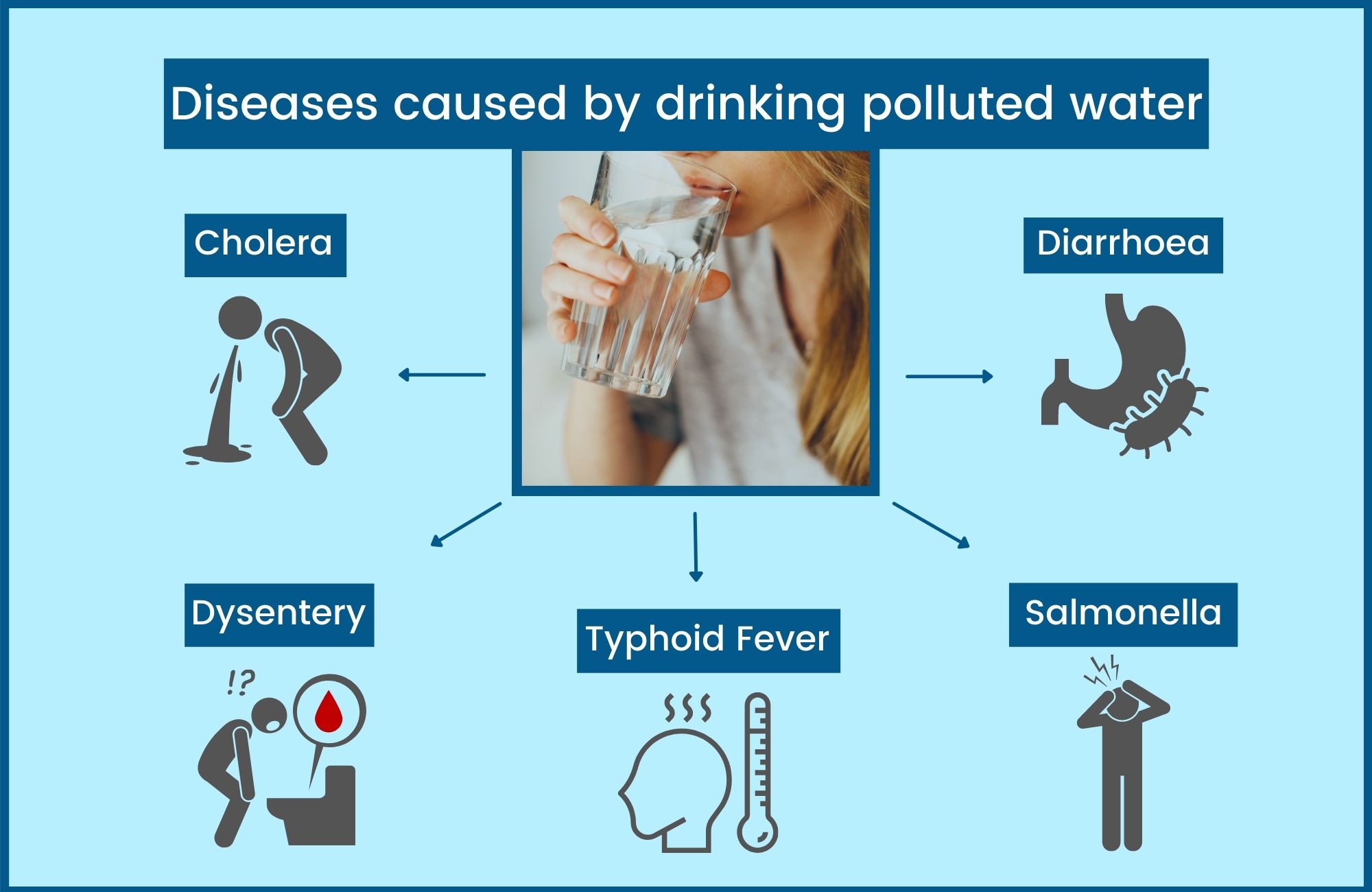 Can Contaminated Water Make You Sick at Tyler Ray blog
How Much Water Did You Drink?
This is a cool, overlooked detail. Did you take a single sip from a puddle, or did you chug a full bottle of suspicious well water? Dose matters. If you only got a few germs, they might be outnumbered by your stomach acid and go extinct. Your immune system wins.
But if you drank a whole glass? You just delivered a full-scale invasion battalion. Your body has to call in more reinforcements, which means a longer wait time and a bigger reaction. It's like the difference between a single bad neighbor and a moving van full of them.
The Interesting "Why" Behind the Wait
Here's the fascinating part: the delay isn't a bug (pun intended), it's a feature. Your body doesn't want to waste energy fighting a phantom threat. It waits for confirmation that a real infection is underway.
So the incubation period—that silent gap between swallowing the water and feeling awful—is your body's biological detective work. It's analyzing the invaders, checking their IDs, and building the right weapons (antibodies) to kick them out efficiently.
Think of it like this: you don't call the fire department for a spark. You wait until there's smoke, right? Your gut does the same thing. The waiting period is the investigation.
When Should You Actually Worry?
Most waterborne illnesses are nasty but self-limiting. You'll feel terrible for a few days, then recover. But there are red flags to watch for: high fever above 101°F, blood in your stool, or severe dehydration (dry mouth, no urine for 6+ hours).
If you drank known contaminated water and none of your travel buddies got sick after two weeks, you're probably in the clear. Your stomach acid or good hygiene saved you. Don't celebrate by drinking more strange water, okay?
So, next time you accidentally sip a little stream water, just remember: you're not waiting for a bomb to go off. You're waiting for a very slow, microscopic jury to decide your fate. And honestly? That's kind of wild when you think about it. Stay hydrated—with clean water.
