Which Of The Following Would Decrease Capillary Filtration

Okay, let's talk about your body’s weirdest plumbing system. We’re diving into capillary filtration—the fancy name for how your blood vessels leak. Sounds gross, right? It’s a...

Okay, let's talk about your body’s weirdest plumbing system. We’re diving into capillary filtration—the fancy name for how your blood vessels leak. Sounds gross, right? It’s actually crucial for life.
Think of your capillaries as leaky garden hoses. They spray fluid, nutrients, and oxygen into your tissues. But sometimes, the spraying gets out of hand—that’s edema, aka puffy ankles.
So, the big question: Which of the following would decrease capillary filtration? We’re going to bust some myths and find the secret to stopping the leak. Let’s play doctor for a minute.
Must Read
Your Blood’s Secret Pressure Wars
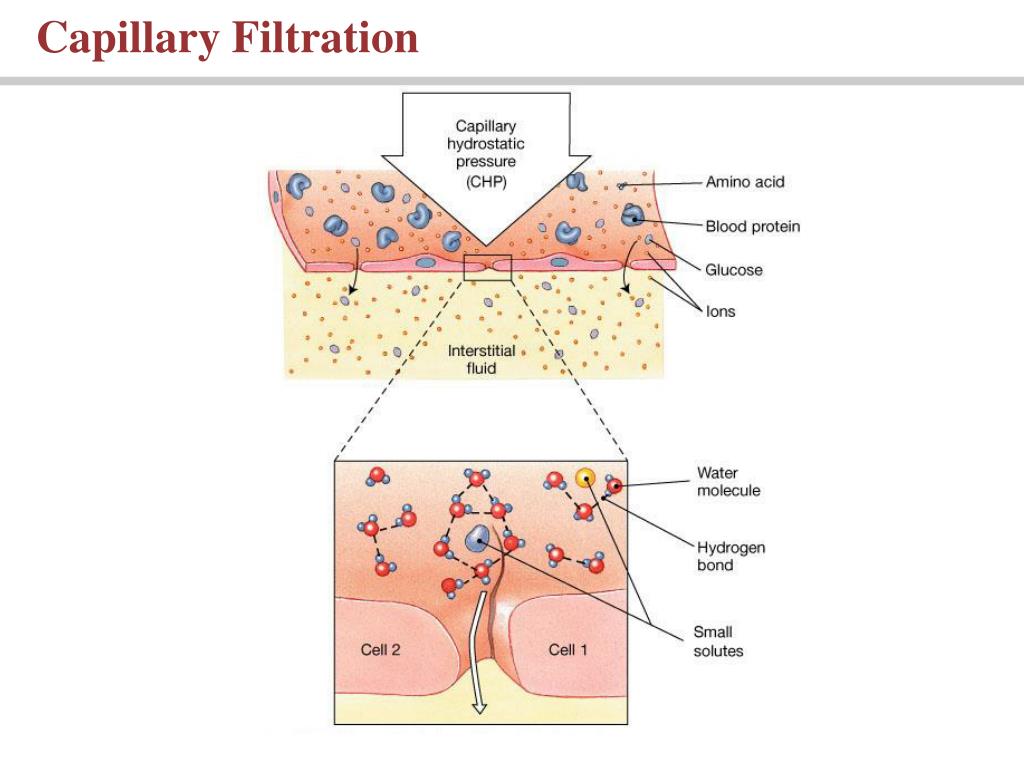
Filtration is all about pressure. It’s a tug-of-war inside your tiny vessels. Two forces push fluid out, and two pull it back in.
Imagine a bouncer at a club. Blood pressure is the drunk guy pushing to get out. Osmotic pressure is the bouncer pulling him back inside. The winner decides how much fluid leaks.
To decrease filtration, you need to weaken the “push” or strengthen the “pull.” Let’s see how that works with some hilarious examples.
A. Drink Less Water? (Hint: It’s a Trap!)
You might think chugging water makes you leakier. Wrong! Drinking more water actually decreases filtration in a weird way. Seriously.
When you’re dehydrated, your blood gets thick and salty. That high salt concentration pulls fluid out of your tissues like a really aggressive shop vac. But it also increases your blood volume, so your heart pumps harder—raising blood pressure and increasing filtration. It’s a chaotic mess.
The real trick? If you drink enough water, your blood stays thin and balanced. You avoid that desperate, high-pressure pump. So, proper hydration is a sneaky way to reduce the leak.
B. Eat a Bag of Chips (The Salty Villain)
Oh boy, here’s the fun one. Eating tons of salt increases filtration. Salt makes your blood hold onto water like a hoarder.
Your body thinks, “Help! Too much salt!” and adds water to your blood. This raises your blood pressure, which shoves more fluid out of your capillaries. You get puffy fingers and a bloated belly.
Fun fact: This is why you look swollen after a salt-binge. Your kidneys are screaming, and your capillaries are weeping. Decreasing salt intake would definitely decrease filtration. The opposite of chips works here.
C. Get a Sunburn (The Inflammation Pain)
Sunburn is a classic “increase filtration” villain. Your capillaries get angry and widen like ayawn. Inflammation makes them super leaky.
Histamines flood the scene, forcing the walls apart. Protein and fluid gush out, causing that puffy, blistery mess. It’s your body’s over-the-top fire alarm.
So, to decrease filtration, you’d want to avoid sunburn and anything that triggers inflammation. Cold compresses? That helps shrink the vessels. No pain, no leak.
 PPT - Lecture 21: Blood Vessels and Circulation PowerPoint Presentation
D. Wear Compression Socks (The Squeeze Play)
Here’s the champion of decreasing filtration. Compression socks physically squeeze your legs. This external pressure counteracts the internal blood pressure.
Think of squeezing a water balloon with your hands. The balloon’s walls are tighter, so less water squirts out. Same thing here—your capillaries resist leaking because the socks push back.
It’s a simple, genius hack. Pilots wear them to stop leg swelling. Runners use them to fight gravity. Compression is a direct, mechanical “stop it!” to capillary filtration. Quirky, right?
The Secret Science Nugget
Here’s the weirdest part: Lymphatic vessels are the unsung heroes. They vacuum up the escaped fluid and return it to your blood. If they get blocked (like in some infections), filtration seems to skyrocket because the fluid has nowhere to go.
But the real answer? Anything that lowers capillary blood pressure or raises the blood’s “pull” strength will decrease filtration. That includes:
- Decreased salt intake (less water retention).
- Proper hydration (balanced pressure).
- Cooling inflammation (sunburn, bee stings).
- Wearing compression (the physical squeeze).
Notice what’s not on the list? Drinking coffee. Caffeine constricts some vessels temporarily, but it also raises blood pressure in many people. It’s a coin flip. Not a reliable trick.
Why This Matters for Your Puffy Self
Ever wake up with sausage fingers after a salty pizza? That’s increased filtration. Ever notice your ankles shrink when you elevate your feet? That’s gravity decreasing blood pressure and therefore decreasing filtration.
Your body is a constant negotiation between leak and seal. Knowing these tricks lets you control the faucet. Next time someone says “I’m bloated,” you can hit them with: “It’s your capillary filtration, dude. Check your salt and try compression socks.”
You’ll sound like a wizard. A slightly leaky wizard, but a wizard nonetheless.
The Takeaway (No PhD Required)
Capillary filtration decreases when: you drink enough water, avoid salty binges, stay cool, and squeeze your legs with compression. It’s not rocket science—it’s garden hose science.
So, the next phase of the game is: Which of the following would decrease capillary filtration? If you picked “wearing compression socks” or “reducing salt,” you win! Your ankles will thank you.
Now go drink some water, step away from the pretzels, and marvel at your body’s ability to leak gracefully. It’s a messy, beautiful, high-pressure party in there. Cheers!
