Whole House Water Softening System Side Effects Downsides Health Risks

So, you’re thinking about a whole house water softener? Great for silky hair and squeaky-clean dishes, right? But before you dive in, let’s chat about the side effects, the do...
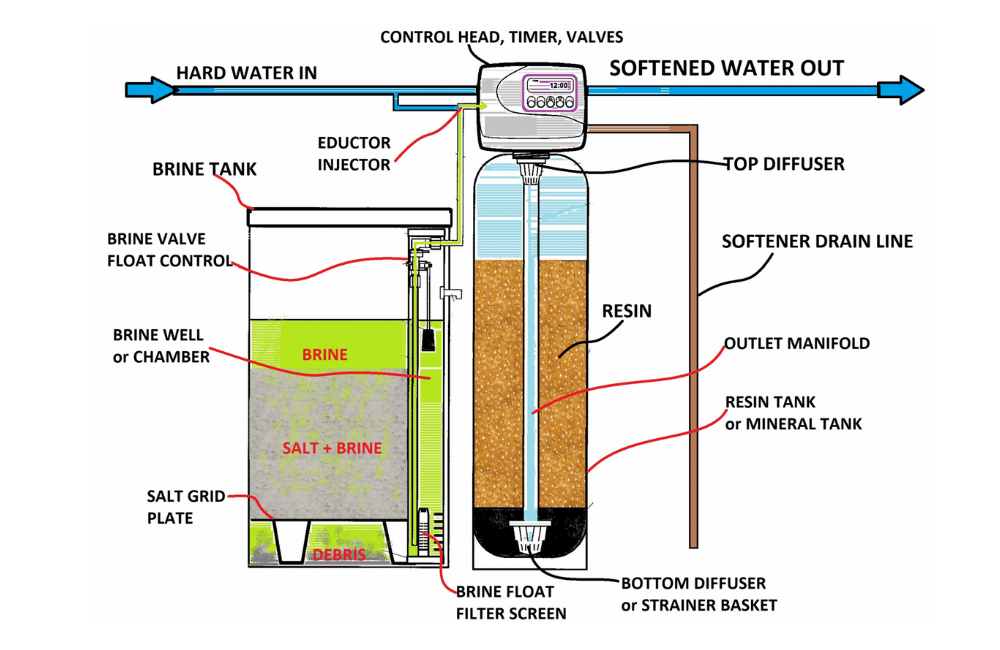
So, you’re thinking about a whole house water softener? Great for silky hair and squeaky-clean dishes, right? But before you dive in, let’s chat about the side effects, the downsides, and the surprisingly funny health rumors—so you can laugh your way to a smarter decision.
The “Slippery” Truth About Soft Water
Ever shower at a friend’s house with soft water and feel like you can’t rinse the soap off? That’s not a glitch—it’s the ion exchange process at work. Soft water makes lather super-efficient, which can leave your skin feeling slick and your hair slightly limp.
But here’s the kicker: many people mistake that slippery feeling for leftover soap. Spoiler alert—it’s just your natural oils behaving differently! Your actual downside? You might need less shampoo and conditioner, which is a win for your wallet.
Must Read
The Salty Secret: Sodium in Your Glass
Here’s the big question everyone asks: “Will soft water turn me into a salt lick?” Not exactly. Most softeners swap calcium and magnesium for sodium—but we’re talking about tiny amounts. For a healthy person, the added sodium is negligible compared to a potato chip.
However, if you’re on a strict low-sodium diet (think heart issues or high blood pressure), that extra pinch matters. The fix? A reverse osmosis system for your drinking tap, or a potassium-based softener. You can have your soft water and drink it too!
Pipes, Plants, and Pucks: The Practical Goofs
Soft water can be slightly acidic, which—over decades—might nibble at old copper pipes. But modern homes? Plastic pipes are the norm, so your plumbing is likely safe. The real laugh is your garden: soft water is terrible for outdoor plants. They crave the minerals you’re removing!
So, please don’t water your prize roses with softened H2O. Use a bypass spigot for the hose, or your hydrangeas will throw a diva tantrum. And yes, your ice cubes will look clear and beautiful—but they’ll melt faster. First world problems, am I right?
Health Risks: Fact vs. Fantasy
Let’s tackle the scary headlines. Some claim soft water leaches lead from pipes. The truth? Only if your pipes are already ancient and you let water sit for hours. Run your tap for 30 seconds and you’re fine. Others worry about weakening bones from lack of dietary magnesium—but you get magnesium from food, not tap water.
The only real health risk is for infants: baby formula mixed with softened water can overload a newborn’s kidneys with sodium. Check with your pediatrician, but most experts say use unsoftened or bottled water for formula. For everyone else, soft water is a lifestyle upgrade, not a medical hazard.
:strip_icc()/bhg-aquasure-serene-whole-house-salt-free-water-softening-system-laura-miller-07-7cbf1aa4dabb4bc68d32a6dc5f0cb984.jpeg) The Best Water Softeners of 2026, Tested by BHG
The Best Water Softeners of 2026, Tested by BHG
Why Most “Side Effects” Are Actually Blessings
Remember that limescale crusting your coffee pot? Gone. The film on your shower doors? Vanished. Your laundry actually looks clean (no more gray socks!). The biggest “downside” is that you’ll spoil yourself—visiting a hard-water hotel will feel like a betrayal.
And let’s be honest: less scrubbing, more living. Your skin will feel less dry, your hair won’t frizz as much, and your appliances will last longer. That’s not a side effect—that’s a victory lap.
The Fun of Owning a Softener (Yes, Fun!)
You know what’s oddly satisfying? Watching a salt block dissolve into your brine tank. It’s like a science experiment you can eat (well, not eat—but you get the vibes). Plus, you can brag to friends: “My water is softer than my feelings.”
The real joy? No more replacing faucets every two years. No more chipping calcium off the kettle. You’ll save money, time, and your sanity. The only “downside” is explaining to guests why their hands feel so smooth. (Hint: blame science, not magic.)
Inspiring Your Next Move
So, are whole house water softeners perfect? Nope. They come with quirks—salt counters for plants, a learning curve for showering, and a tiny sodium bump. But the trade-offs are ridiculously worth it for comfort and convenience.
Think of it this way: life is too short for hard water stains. You deserve sheets that feel like clouds and a cup of tea without a chalky film. Go ahead, dive into the research. Talk to a plumber, test your water, and laugh at the myths. Your softer, smoother, less-scrubbing future is waiting—and it’s positively inspiring.
