Polishing Systems For Pharmaceutical Water Treatment Suppliers Manufacturers

When you think of pharmaceutical water, you probably don't imagine it as a high-maintenance celebrity. But in the world of pills and IV drips, water is the ultimate diva—deman...
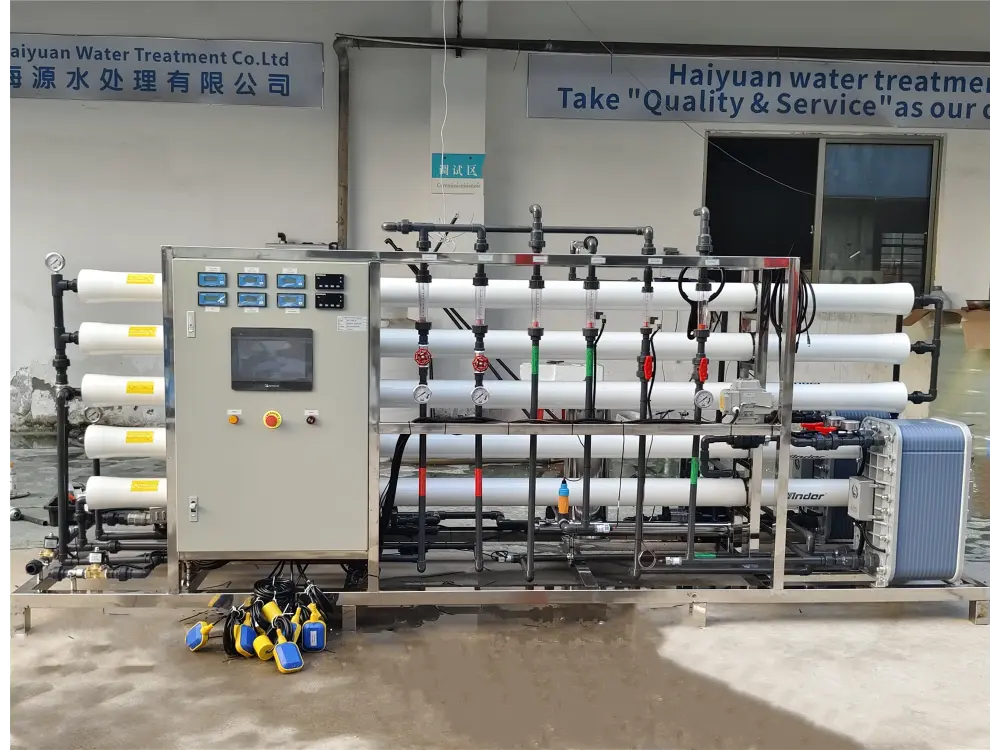
When you think of pharmaceutical water, you probably don't imagine it as a high-maintenance celebrity. But in the world of pills and IV drips, water is the ultimate diva—demanding absolute purity. That’s where polishing systems come in, and the manufacturers who supply them are the unsung heroes of modern medicine. They’re essentially the robot butlers of the pharmaceutical sector, ensuring every drop is polished to pristine perfection.
The Art of the Polish
Think of polishing systems as the final, obsessive detail in water treatment—like a barista’s last swirl on a latte. After initial filtration, these systems use reverse osmosis, deionization, and UV light to strip away the last parts per billion of contaminants. It’s not just clean water; it’s water so pure it could probably meditate.
For manufacturers, the goal is consistency—batch after batch, without a single microbial gatecrasher. The coolest part? These systems often use sensors that talk to each other, like a tiny tech ecosystem. It’s basically Waterworld meets Silicon Valley, minus the Kevin Costner mullet.
Must Read
Why It Matters (and Why You Should Care)
You might never see a polishing system, but you’ve probably benefited from one today. That aspirin you took? It was mixed with water that’s been babied more than a newborn. Pharmaceutical companies depend on manufacturers who design these systems to be both efficient and reliable—because a glitch means wasted product and very expensive headaches.
Fun fact: The water used in IV fluids is actually purer than most tap water in Switzerland. So if you ever need a transfusion, take comfort knowing your cells are getting five-star hydration.
Manufacturers: The Wizards Behind the Curtain
Suppliers and manufacturers of polishing systems are a niche group—like the indie bands of industrial equipment. They don’t get the spotlight, but their gear handles everything from vaccine production to cancer treatments. A top-tier manufacturer focuses on modularity, meaning their systems can be scaled up or down like a TikTok dance trend.
Cultural reference time: In Japan, there’s a concept called kintsugi—repairing broken pottery with gold. Polishing systems do the opposite: they remove imperfections until the water is flawless, like a digital artist airbrushing a photo. It’s the anti-kintsugi.
Practical Tips for Choosing a Supplier
If you’re shopping for a pharmaceutical water polishing system (and why wouldn’t you be?), start by asking about validation—can the manufacturer prove their system meets FDA standards? Look for suppliers who offer remote monitoring, because nobody wants to fly a technician to a cleanroom for a sensor hiccup. Finally, check their support history: “trusted by big pharma” is worth more than a thousand glossy brochures.
Pro tip: Ask if they use electrodeionization (EDI). It’s the whisper-quiet cousin of traditional ion exchange—less chemical waste, more zen. Your maintenance crew will thank you.
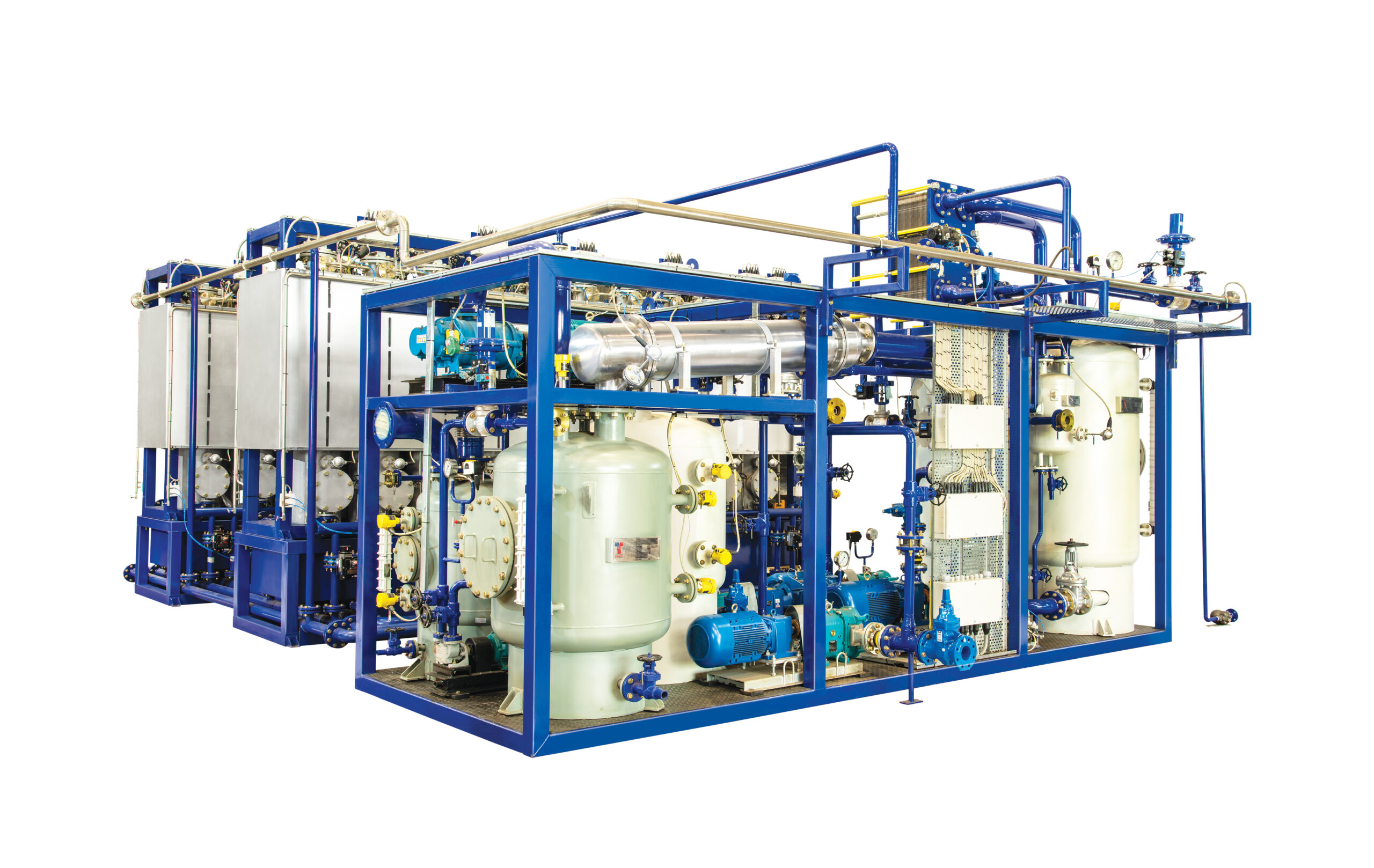 1# Maximize Savings with Regenerative Media Based Polishing Systems
Fun Little Facts to Impress Your Friends
Did you know that pharmaceutical water is measured in “MΩ·cm” (megohm-centimeters)? It’s a resistivity unit—the higher the number, the purer the water. Typical tap water is around 0.001 MΩ·cm; pharmaceutical water often hits 18.2. That’s like going from a muddy puddle to a diamond in one system.
Another gem: The first polishing systems were essentially repurposed lab equipment from the 1970s—imagine a chemistry set on steroids. Today’s versions use AI to predict maintenance, so they’re basically Hal 9000 for H2O. Less rebellious, though.
Connecting It to Your Morning Coffee
Think about your daily caffeine ritual. You probably obsess over bean origin, grind size, brew time—yet tap water is fine, right? Pharmaceutical manufacturers treat their water with more respect than a sommelier treats a Bordeaux. The lesson: small details create massive outcomes.
Next time you see a bottle of saline or a vaccine vial, remember the polishing system behind it. It’s a quiet reminder that purity isn’t just a luxury—it’s a necessity. And if the water in your coffee maker suddenly tastes amazing, maybe it’s time to thank an engineer.
The Takeaway
Polishing systems for pharmaceutical water aren’t just machines; they’re guardians of health. Suppliers and manufacturers who design them blend science with artistry, ensuring every molecule is fit for human cells. It’s a weird, wonderful job—like being a bouncer for a VIP club where the only guest is water.
So, as you go about your day, take a sip of something clean. Acknowledge that somewhere, a polishing system is humming along, keeping the world a little healthier, one drop at a time. And maybe—just maybe—appreciate the quiet perfection in your own tap.
