What Is The Difference Between Distilled And Purified Water

You’re standing in the water aisle, fluorescent lights buzzing overhead, two bottles staring back at you: Distilled and Purified. One sounds like a science experiment, the oth...
You’re standing in the water aisle, fluorescent lights buzzing overhead, two bottles staring back at you: Distilled and Purified. One sounds like a science experiment, the other like a spa treatment. But which one do you actually need for your morning coffee, your humidifier, or that sad little snake plant in the corner?
Let’s demystify the H₂O hierarchy with zero judgment and a splash of fun. Think of this as your cheat sheet for the most overlooked decision in the grocery store.
The Core Difference, Explained Like a Smoothie
Imagine you’re making a fruit smoothie. Distilled water is like that ultra-strained juice where you’ve removed every single seed, pulp, and fiber. It’s pure H₂O—nothing else. Purified water is like a good filter that catches the big chunks but leaves some trace minerals and character behind.
Must Read
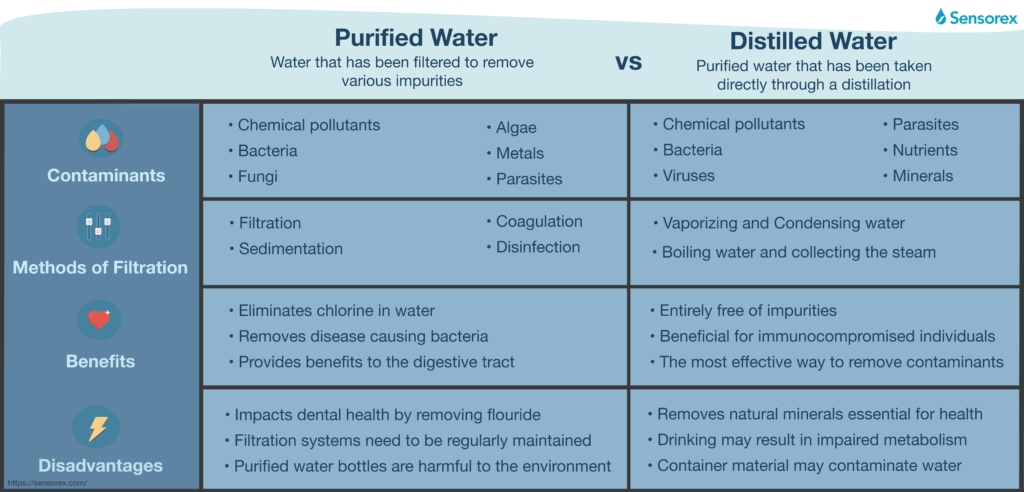
Technically, distilled water is a subset of purified water. All distilled water is purified, but not all purified water is distilled. The difference comes down to how we strip away the extras.
Distillation is old-school alchemy: boil water until it becomes steam, then condense that steam back into liquid. The impurities (minerals, bacteria, even microplastics) get left behind in the boiling chamber. It’s the same principle as making moonshine, except you’re not trying to get a buzz.
Purified water goes through a broader menu of methods: reverse osmosis, deionization, carbon filtration, even UV light. Think of it as a spa day for your tap water—calming, clarifying, and polishing until it meets strict purity standards.
So, Which One Should You Actually Drink?
Here’s the truth: For daily hydration, both are totally fine. Your body doesn’t care if the water came from a volcano or a lab. But there are sneaky nuances that matter for taste, health, and your kitchen gadgets.
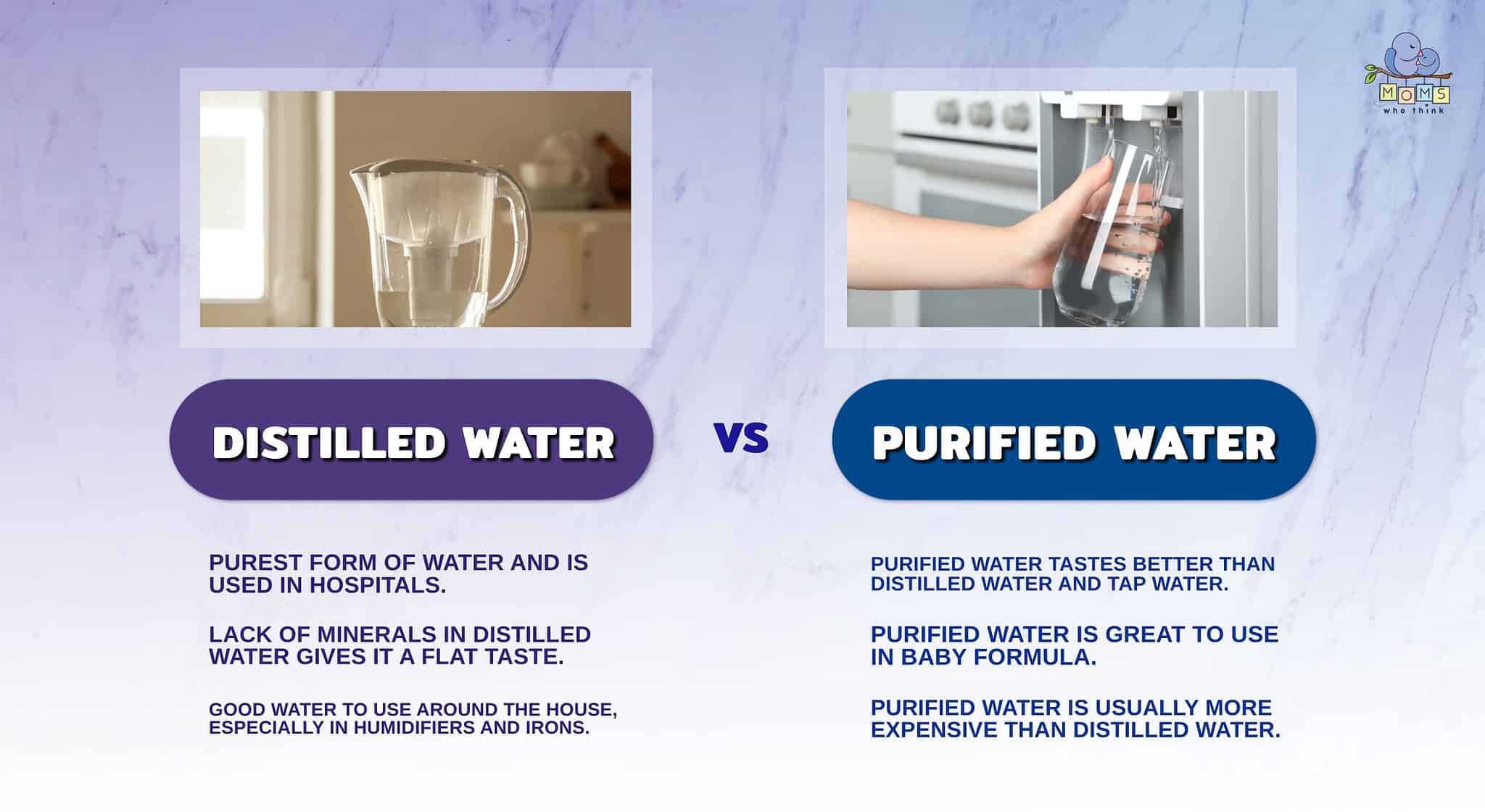
Distilled water tastes… flat. Like a blank canvas. That’s because it’s stripped of the minerals (calcium, magnesium) that give water its subtle sweetness. If you’re a coffee snob using distilled water, your espresso might taste lifeless. Purified water retains a whisper of those minerals, offering a more “rounded” sip.
Fun fact: Distilled water can actually leach minerals from your body if you drink it exclusively for months. This is rare and only applies to extreme scenarios (like a survivalist living on distilled water and rice cakes). Don’t panic, but do mix it up.
 Distilled vs. Purified Water: What’s the Difference? – Waterdrop Europe
Practical Tips for Your Everyday Life
Need a rule of thumb? Use distilled water for anything with a heating element: steam irons, humidifiers, CPAP machines, and car batteries. Minerals in tap or purified water cause scale buildup that ruins your gadgets. Distilled is the guardian angel of small appliances.
Purified water is your go-to for drinking, cooking, and fancy ice cubes. It tastes better, has trace minerals, and is cheaper per gallon. Most grocery store “drinking water” is purified, not distilled—check the label.
Here’s a pro tip: If you’re making baby formula, use distilled or purified water that’s been boiled and cooled. It’s not about the water; it’s about ensuring zero bacterial risk for tiny immune systems.
Cultural References and the Water Wars
Remember the whole “Smart Water” phenomenon? That’s purified water with electrolytes added back in—basically paying extra for a marketing team to make you feel smarter. Tom Brady probably bathes in it, but you’re fine with the generic store brand.
In the 1980s, distilled water was the darling of the wellness crowd—think crystals and foot baths. Today, it’s more utilitarian. Purified water is the influencer of the water world: sleek, accessible, with a filter straw aesthetic (looking at you, Brita and Lifestraw).
If you want to get totally geek: NASA uses distilled water on the ISS because zero-gravity makes mineral precipitation a nightmare. Meanwhile, the world’s finest tea ceremonies in Japan and China demand water that’s “soft” and low in minerals—purified or distilled fits the bill.
 Distilled vs. Purified Water: 4 Differences & Health Benefits
Does Your Location Matter?
Actually, yes. If you live in a city with hard water (hello, New York, Los Angeles, London), you’ll notice a dramatic difference using purified water at home—fewer white spots on your dishes and better-tasting tea. Distilled water will be overkill for drinking but a lifesaver for your coffee maker.
Rural well water users? Purified water is your best friend for removing iron, sulfur, and that faint “eggy” smell. Distilled is extra reassurance if you’re worried about agricultural runoff (like nitrates).
Tap water in most developed countries is already regulated to be safe. So if you just want to hydrate without overthinking, tap water in a reusable bottle wins the environmental award. But hey, we’re not judging your aesthetic.
Five Fun Facts to Drop at Dinner Parties
1. Distilled water conducts electricity very poorly—bad for your tongue, good for science experiments.
2. You can actually make distilled water at home by boiling a pot with a lid and collecting the condensation on the handle. YouTube it—it’s oddly satisfying.
3. The ancient Greeks were the first to distill seawater, calling it “sea sweat.” Charming.
4. Purified water is sometimes called “demineralized,” but that sounds like a skincare product for your soul.
5. Bottled water labels legally have to specify the treatment method—so look for the word “distilled” or “purified” on the back.
The Final Sip
In the grand scheme of life, the difference between distilled and purified water is one of nuance, not triumph. It’s like comparing a minimalist couch to a comfortably squishy one. Both hold your weight; one just feels a little more alive.
Your best move? Keep a bottle of purified water for sipping, and a jug of distilled water for your coffee machine and your plant’s dramatic needs. Your humidifier will thank you, and your taste buds will feel subtly sophisticated.
Ultimately, water is water. It’s the one thing that connects every living cell on this planet—from the amoeba in a puddle to the barista steaming your oat milk latte. Whether it’s distilled, purified, or straight from the tap, the act of drinking it is a small, graceful act of self-care. So drink up, and don’t stress over the label.
