How Long Does It Take To Recharge A Water Softener

Ever stood by your water softener and wondered what exactly is happening when it starts whirring away? It’s like a secret, underground spa day for your plumbing. The big quest...
Ever stood by your water softener and wondered what exactly is happening when it starts whirring away? It’s like a secret, underground spa day for your plumbing. The big question everyone asks is, “How long does this whole recharge thing take?” Well, grab a coffee, and let’s dive into the surprisingly simple world of salt and water. It’s not rocket science, but it is pretty cool.
The Short Answer (Because We All Want the Bottom Line)
For most standard home water softeners, a full recharge cycle takes about 90 minutes to two hours. That’s it. It’s roughly the same time as watching a movie like Shrek. But hold on, that’s just the average.
Some units can breeze through it in under an hour, while older or larger systems might take closer to three hours. Why the difference? It all depends on how thirsty your softener’s resin beads are after a hard week of trapping minerals. Think of it like this: a smaller sponge dries out faster than a big one.
Must Read
The Cool Part: What Actually Happens During Recharge?
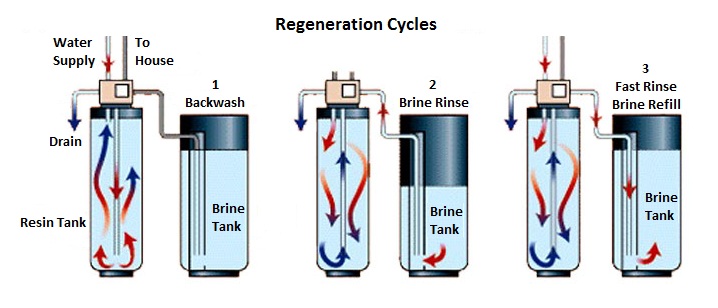
You don’t need to be a chemist, but understanding the stages makes you feel like a secret plumber wizard. The process has three main acts, like a tiny, watery play happening in your basement. First, the system has to backwash.
This is the softener kicking up its heels and flushing out any dirt or rusty gunk. That takes about ten minutes. Think of it as a quick power shower before the real work begins.
Next comes the main event: the brine draw. This is where the salty water from your brine tank gets sucked into the resin tank. The salt ions literally swap places with the pesky calcium and magnesium. This is the longest part, often taking 45 minutes to an hour.
Finally, there’s the rinse and refill. Fresh water rushes through to wash away the last of the brine and re-settle the resin bed. The tank then gets a fresh batch of water added for the next cycle. The whole drama takes just over an hour, and your water is soft again, like magic.
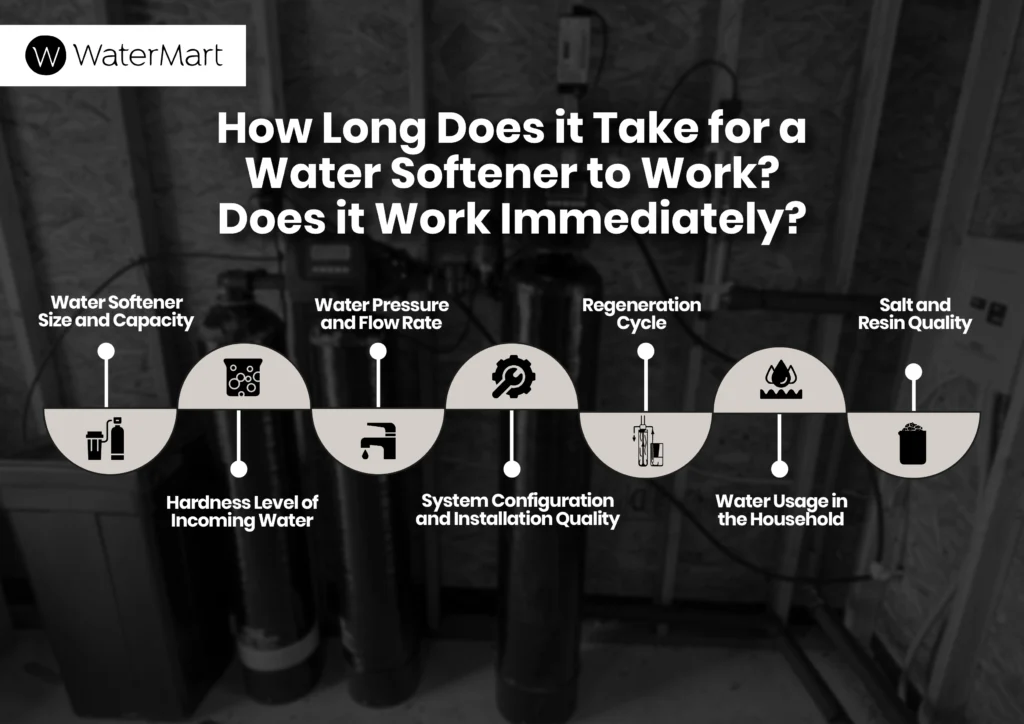 How long does it take for a water softener to work?: WaterMart
Why You Shouldn’t Panic If It Takes Longer
Imagine you’re in a slow line at the grocery store. A water softener can feel the same way. If your system takes closer to 120 minutes, don’t sweat it. It probably just has a larger resin tank or a slower motor, which is totally normal.
Some high-efficiency models are designed to take a little longer to save water and salt. They’re the eco-friendly tortoises in the race. A slow recharge often means your softener is being gentle and thorough, which is better for your pipes in the long run.
Fun Comparisons to Keep You Entertained
Have you ever waited for a traffic light in a small town? That’s how a softener recharge feels. It’s not fast, but it’s necessary. Compare it to baking a pizza from scratch—it takes longer than frozen, but the result is way better for your kitchen.
Or here’s another one: recharging a softener is like charging your phone overnight. You don’t stand over it, do you? You trust the process. The softener does its thing while you sleep, and you wake up to glorious, spot-free glassware.
If you’re a gamer, think of it as the system’s “loading screen.” You can’t skip the cutscene. The resin beads are the heroes, and they need their full 90 minutes to level up properly. Be patient, and they’ll keep your water from turning your shower head into a chalky mess.
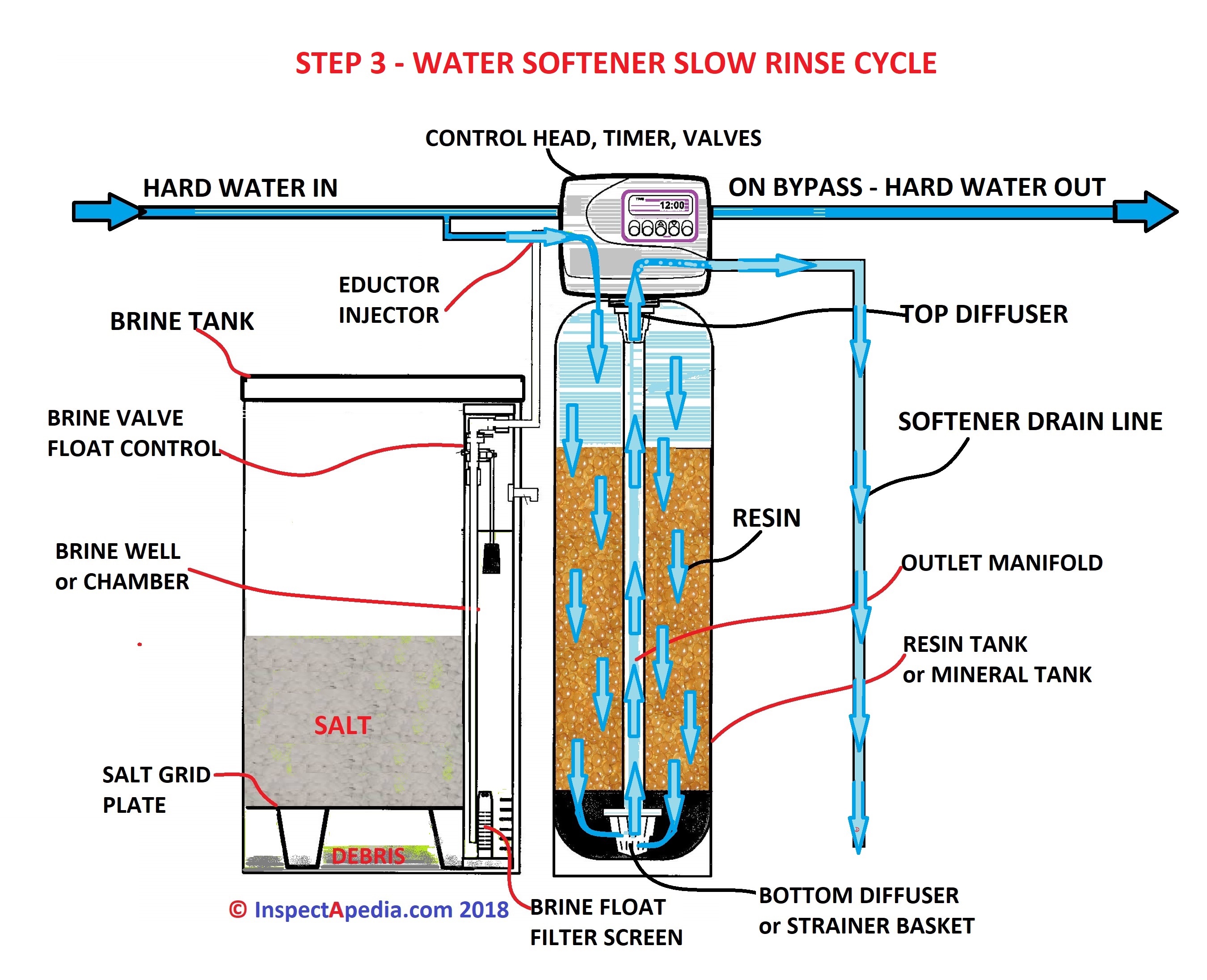 How To Recharge Water Softener Pillow at Andres Lowe blog
What Can Mess with the Timing?
Life happens, and sometimes your softener gets quirky. If the cycle suddenly takes four hours, it might be a sign of a clogged valve or a faulty timer. Don’t freak out—just check the manual or call a friend who knows pipes.
Water pressure matters too. Low pressure can make the whole process drag like a Monday morning. Also, if you have very hard water, the system might need an extra long brine draw to scrub the resin clean. It’s like washing a really greasy pan—needs more elbow grease.
And remember, most softeners recharge automatically at night. That’s why you never notice. It’s the plumbing equivalent of a nighttime janitor. By morning, everything is fresh and ready for your shower.
Final Thought: It’s Not About the Time, It’s About the Flow
So next time you hear that softener running, don’t roll your eyes at the 90-minute cycle. Smile knowing it’s quietly saving your water heater from an early grave. A short recharge is efficient, but a long one is thorough. Either way, you’re winning.
And if you’re ever tempted to interrupt the cycle to take a quick shower? Trust me, don’t. You’ll get a rinse of undiluted brine, which is basically salty bathwater. Let the machine do its thing, and enjoy knowing your water is getting the VIP treatment it deserves.
