Does Boiling Water In Kettle Make It Safe To Drink

Let’s face it: you’ve stood by the kettle, staring at the bubbling water, and wondered, “Is this actually safe to drink?” Maybe you’re camping, or your tap water suddenly look...

Let’s face it: you’ve stood by the kettle, staring at the bubbling water, and wondered, “Is this actually safe to drink?” Maybe you’re camping, or your tap water suddenly looks a little suspicious. It’s a surprisingly common question, and the answer is both simpler and more fun than you might think.
First, the headline news: yes, boiling water in a kettle makes it safe to drink—if the threat is biological. When water hits a rolling boil (212°F or 100°C), it annihilates most bacteria, viruses, and parasites. Think of your kettle as a tiny, heroic dragon that breathes steam and defeats microscopic villains.
But let’s get specific, because life is in the details. Boiling is fantastic against Giardia, Cryptosporidium, and E. coli—nasty critters that can ruin a camping trip or a Monday. Studies show that one minute of a rolling boil is enough at sea level. At higher altitudes, give it three minutes to be extra safe.
Must Read
Here’s the kicker: boiling does not remove chemicals. If your water is contaminated with lead, pesticides, or industrial runoff, a kettle is not a magic wand. Imagine it this way: boiling kills the monsters, but it concentrates the chemical poison by evaporating clean water vapor. So, for chemical threats, you need a filter or distilled water—not just heat.
What about the kettle itself? Electric kettles are brilliant because they heat water fast and often have auto-shutoff. But if yours has mineral buildup (white limescale), that’s not a health risk—it’s just ugly. A splash of vinegar fixes it. Your kettle is a tool, not a guilt trip.
The “Wait, My Kettle Is Plastic?” Moment
You might worry about plastics leaching into the water. Most modern kettles use BPA-free plastics or stainless steel, which are safe. Never boil water in a container that isn’t intended for boiling—like a random plastic bottle. That’s a recipe for a science experiment you don’t want.
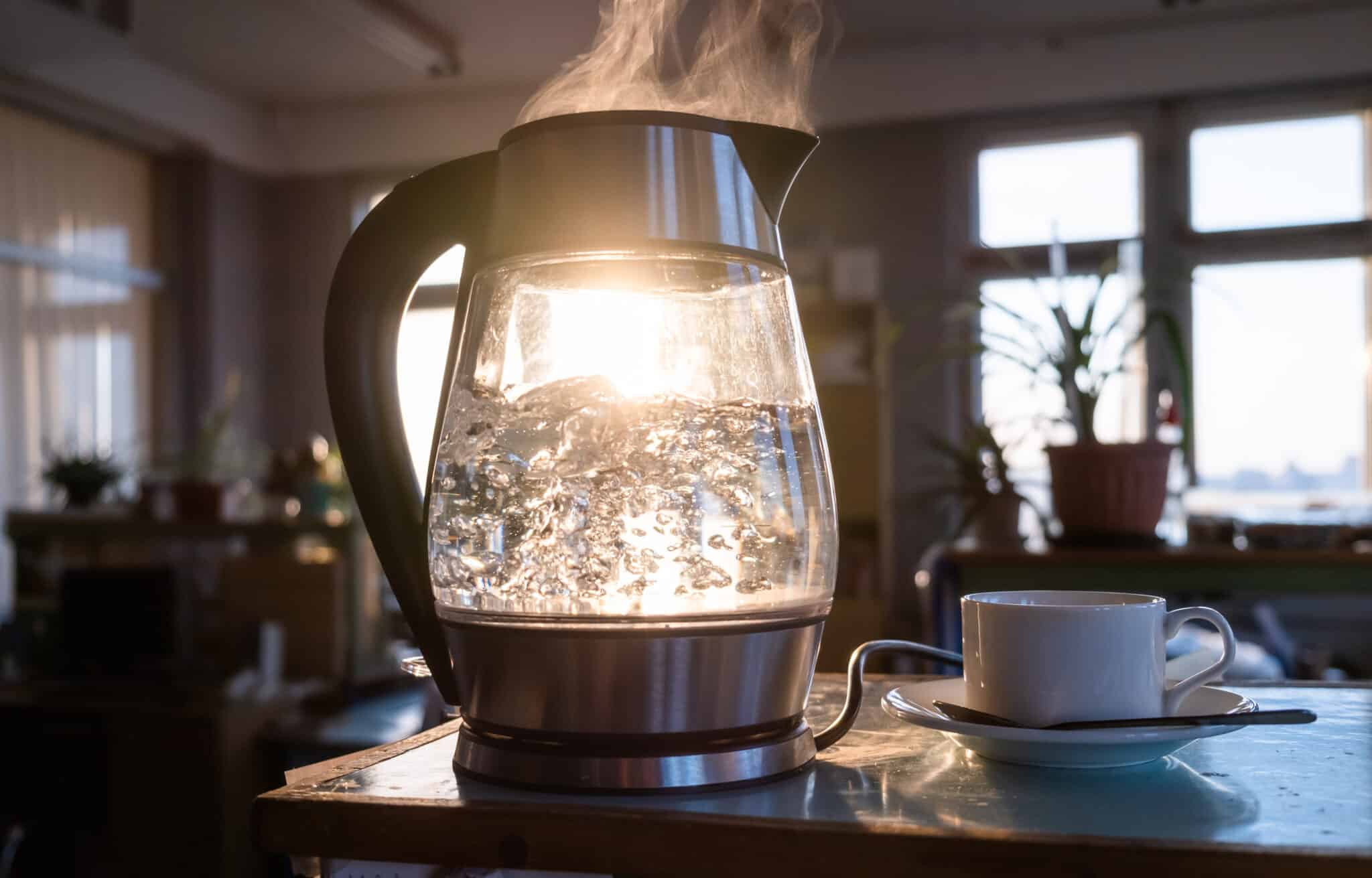 Is It Okay To Boil Water More Than Once, Or Should You Empty The Kettle
Here’s a fun fact: boiling water doesn’t just make it safe—it can make it taste smoother. When you boil tap water, you drive off dissolved gases (like chlorine) that cause that pool-like flavor. Let it cool, and you get a cleaner sip. Your tea will thank you.
When Should You Actually Worry?
If the water is from a clear mountain stream, boiling is your best friend. If it’s from a rusty pipe or a murky puddle, filter it first to remove sediment. Boiling muddy water just makes hot mud. Use a coffee filter, cloth, or let it settle overnight—then boil.
Another scenario: emergency preparedness. If the power goes out and you have a gas stove, you can boil water in a metal pot. No kettle? No problem. A saucepan, a camping kettle, even a clean tin can works in a pinch. Resourcefulness is the real superpower here.
But let’s not get too serious. Think of boiling water as a little ritual—a whoosh of steam, a cheerful whistle, the promise of hot cocoa. It’s one of the easiest ways to take control of your environment. You become the guardian of your own hydration.
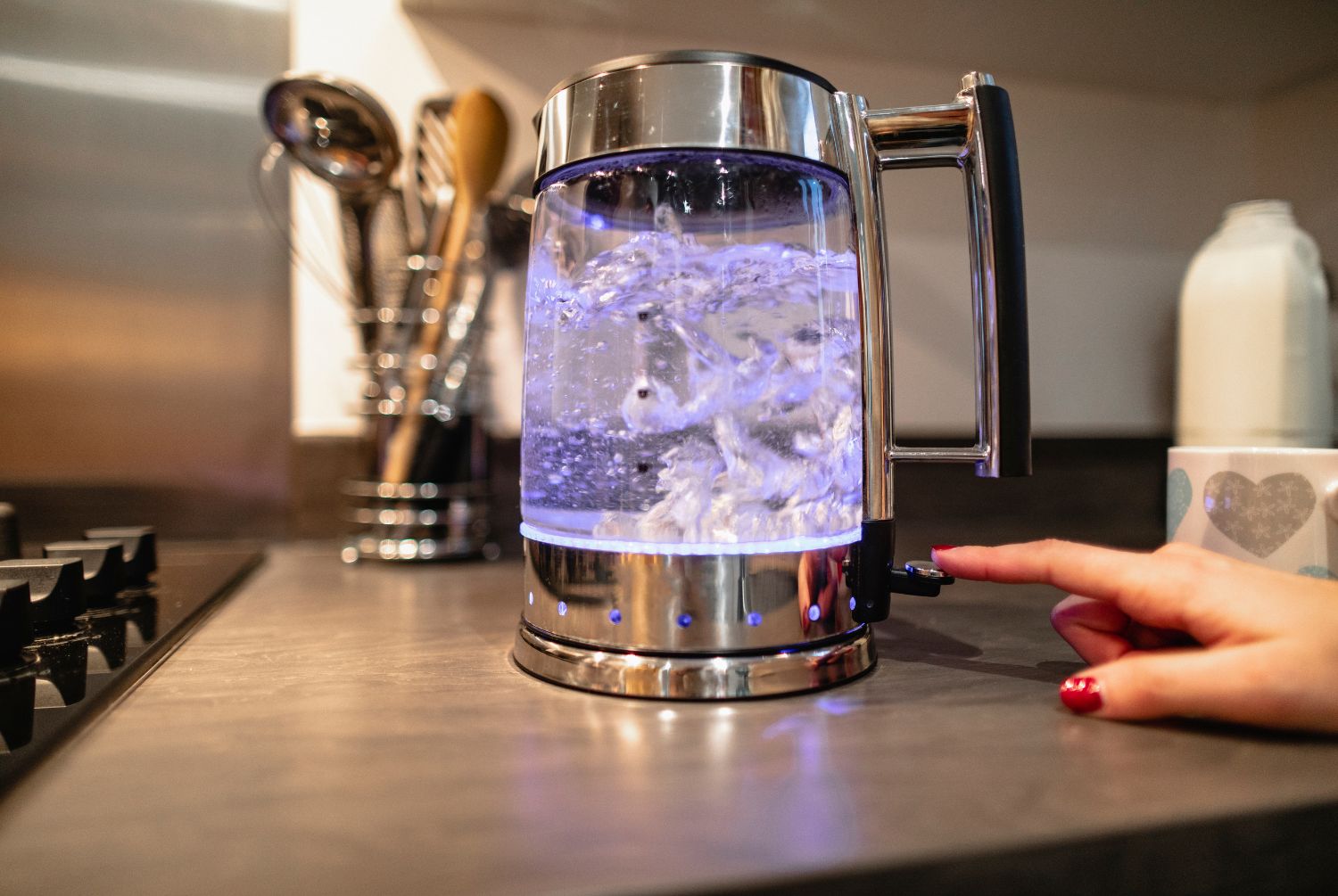 Hard vs Soft Water: What is the Difference? | Sanctuary
What Boiling Won’t Solve (And Why That’s Okay)
Boiling won’t make saltwater drinkable (that’s distillation, different process). It won’t remove heavy metals. And it won’t fix water that already smells like rotten eggs—that’s often sulfur bacteria, which are harmless but stinky. For these, you need alternative methods like reverse osmosis or a carbon filter.
Does that make boiling less impressive? Absolutely not. Boiling is the OG water treatment—used for centuries. It’s free, it’s simple, and it works for 90% of the scary stuff out there. That’s a solid win.
So next time you flip that switch, give your kettle a little salute. It’s not just heating water; it’s giving you peace of mind. It’s turning H₂O from “maybe” into “definitely.” And that’s a beautiful thing.
Go ahead—make that cup of tea. Let the steam curl upward like a little victory flag. You’ve earned it. And if this made you curious about, say, how to build a solar water boiler or why boiling sometimes makes ice cubes cloudier? Good. That curiosity is the spark that turns simple survival into adventure.
