How Does A Domestic Sewage Treatment Plant Work

You flush the toilet, run the washing machine, or watch the sink drain after a marathon dishwashing session. and then… magic. The water vanishes. But where does it actually go...
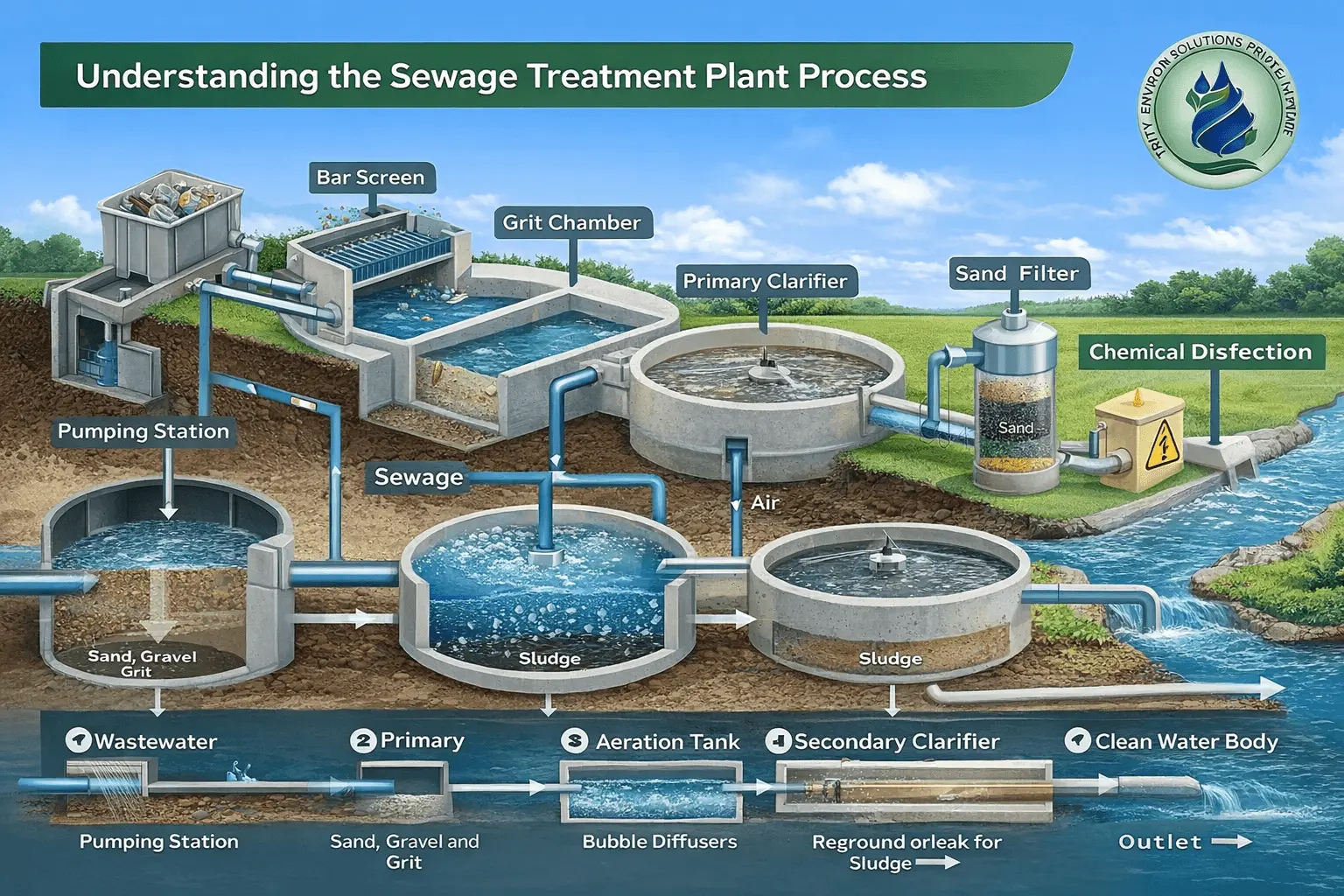
You flush the toilet, run the washing machine, or watch the sink drain after a marathon dishwashing session. and then… magic. The water vanishes. But where does it actually go? Before you pat yourself on the back for modern plumbing, let’s pull back the curtain on one of the most underrated heroes in your home: the domestic sewage treatment plant.
Think of it as your house’s personal, high-tech stomach. It digests all the wastewater from your kitchen, bathroom, and laundry, turning it into something safe enough to return to the earth. It’s not glamorous, but frankly, it’s the quiet guardian of your sanity and the local ecosystem.
The First Spoonful: The "Settle & Separate" Phase
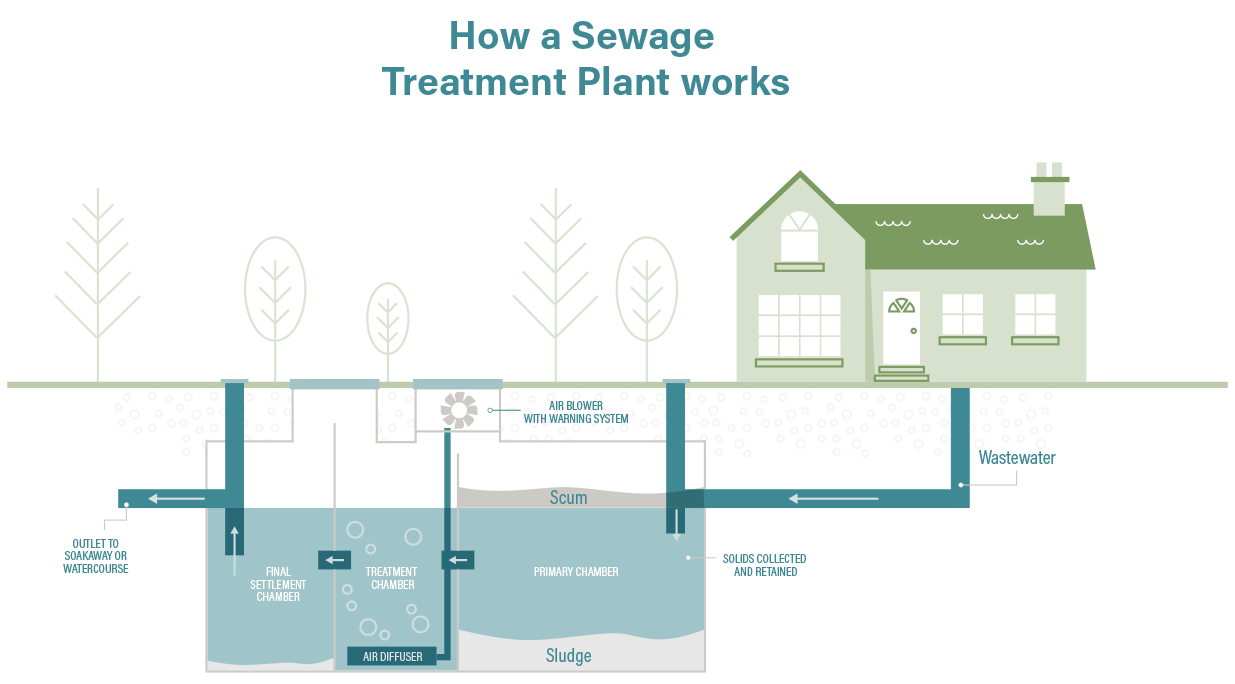
When your “black water” (from toilets) and “grey water” (from sinks and showers) enter the tank, the first thing it does is chill out. The tank is split into chambers, and the flow slows to a standstill. This is the sedimentation stage, and it’s surprisingly simple.
Must Read
Heavy solids—like coffee grounds, soap scum, and you-know-what—sink to the bottom and form a thick layer called sludge. Meanwhile, lighter stuff—fats, oils, and grease—float to the top and create a scum layer. This restaurant-sized mess sits quietly, letting the middle layer, the liquid effluent, prepare for its next adventure.
Fun fact: A single household generates enough grease over a year to fill a bathtub. That’s why pouring oil down the sink is basically asking your treatment plant to take a very expensive nap.
The Real Magic: Bacteria Throw a House Party
Now we get to the good part. The second chamber is where bacteria become your best friends. These microscopic tenants feast on the dissolved organic matter in the wastewater. They don’t need an invitation—they’re born for the job.
This process is called aerobic digestion, and it needs oxygen. Many modern home systems use an air pump to bubble oxygen into the tank, like a fish tank for bacteria. The microbes gobble up the waste, and in the process, break down 95% of the pollutants. It’s a non-stop, 24/7 party that you never have to clean up after.
Cultural reference alert: If The Beatles wrote a song about this, it would be “A Little Help From My Micro-friends.” The bacteria don’t care if you’re a punk or a princess—they just eat.
The Final Polish: Settling & Discharge
After the bacterial feast, the now-cleaner water flows into a third chamber—the final settlement zone. Here, any remaining microbes clump together and sink, leaving behind crystal-clear water. This water, now called effluent, is typically up to 98% clean.
 Sewage Treatment Plants | How Do Sewage Treatment Plants Work? | CSG
From here, it is gently released into the ground via a soakaway or a polishing filter. It trickles down through soil, sand, and gravel, where natural processes finish the job. In many systems, this water is safe enough to irrigate your lawn (not your vegetable garden, though—please don’t drink it).
Practical tip: If you smell something funky near your treatment plant, it usually means the bacteria are overwhelmed or the air pump failed. Treat them like a stressed-out roommate—give them a break by using less bleach or harsh chemicals.
The Sludge Reality: You Can’t Ignore It Forever
Eventually, the sludge layer at the bottom grows too thick. Unlike your compost bin, this isn’t a “set it and forget it” situation. Every one to three years, you need a professional desludging service to pump out the solids. Yes, it costs money. No, you can’t skip it.
Think of it as a spa day for your plant. If you neglect it, the sludge hardens, the bacteria die, and your backyard becomes a mini ecological disaster zone. Pro tip: Keep a log of your pumping dates like you would a dentist appointment—because nobody likes emergency sludge.
Fun fact: The cleanest domestic treatment plants actually produce methane gas as a byproduct. Some high-end systems capture and burn it to generate heat. You’re basically running a tiny, weird methane-powered engine in your yard.
Comparing Systems: The Old vs. The New
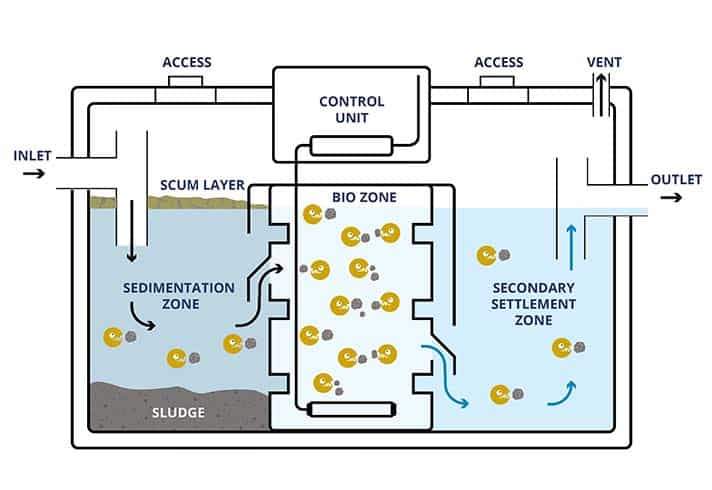
If you live in a rural area without a municipal sewer, you might have an old-school septic tank. Those are basic: they just settle solids and let liquid seep into the ground. A modern domestic sewage treatment plant, however, includes the bacteria stage and aeration, making it five times more effective.
 Residential Sewage Treatment Systems Wastewater Treatment Plant
The newer systems are also smaller, quieter, and often come with warning alarms. Some are so compact they fit under a lawn. Basically, your great-grandparents had a bucket in the ground; you have a miniature water refinery that respects the planet more than a Prius owner.
Cultural aside: In Japan, some homes have treatment plants that recycle water for flushing toilets. It’s called a jōkasō, and it’s about as Japanese as a perfectly folded origami toilet paper roll.
Practical Maintenance Tips for the Lazy Genius
First, watch what you flush. Wet wipes (even those labeled “flushable”), cigarette butts, and leftover cooking oil are the toxic exes of the sewage world—they destroy everything. Stick to the three Ps: pee, paper, and poo.
Second, use enzyme-based cleaners for your drains instead of bleach. Bleach kills bacteria like a nuclear bomb. Enzyme cleaners invite the good microbes to work harder. Third, check the air pump or timer once a month. A humming pump is a happy pump.
Finally, plant grass over the treatment area, not trees or deep-rooted shrubs. Roots smell water and will invade the pipes like a plant-based Terminator. Keep the land above it green and clear, and your system will run for decades.
A Reflection: The Water That Connects Us
Every drop that leaves your home is not wasted—it is a story of renewal. The same water that rinsed your coffee mug soon becomes a home for hungry bacteria, then a trickle that feeds grass roots, and eventually, a cloud that falls as rain. You don’t see the process, but it works, silently, every single day.
So next time you flush, take a second to appreciate the humble, hardworking marvel beneath your feet. It’s not glamorous, but it is alive. And in a world obsessed with the new and exciting, there is something profoundly satisfying about knowing the old, slow, bacterial magic is keeping your home—and your world—clean.
