Does Dehydration Cause Depression And Anxiety

Picture this: You’re lying in bed at 2 a.m., staring at the ceiling, mentally replaying that awkward thing you said in 2017. Your heart is racing, your mouth feels like the Sa...
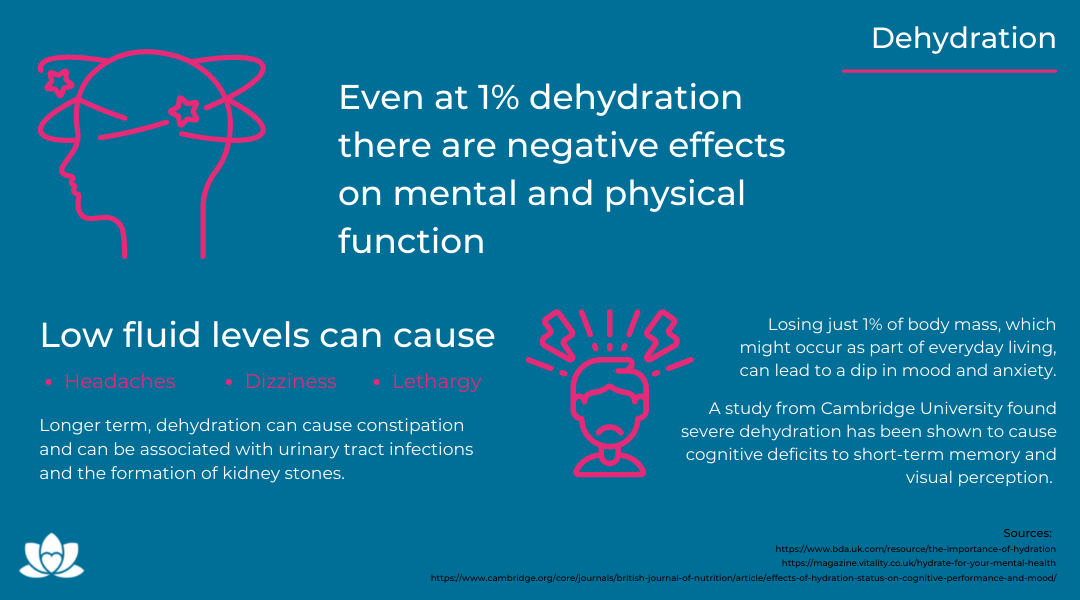
Picture this: You’re lying in bed at 2 a.m., staring at the ceiling, mentally replaying that awkward thing you said in 2017. Your heart is racing, your mouth feels like the Sahara Desert, and you’re wondering, “Is this anxiety, or did I just forget to drink water?” Spoiler: it might be the water. Welcome to the weird, wonderful world of dehydration and your mood.
Your Brain Is a Water Balloon (Sort Of)
Here’s the science bit, but I promise it’s painless. Your brain is 73% water, which makes it basically a very expensive, very needy water balloon. When you don’t drink enough, that balloon shrinks, and your brain’s neurons start firing off distress signals like a toddler who missed snack time.
One study found that losing just 1.5% of your body’s water can tank your mood, increase fatigue, and trigger feelings of confusion. That’s not even enough to make you feel thirsty—it’s essentially stealth dehydration, the ninja assassin of mental health.
Must Read
So yes, that “existential dread” you felt after a long flight? Probably just the air conditioning and a tiny straw of tomato juice not cutting it. Your brain wants a drink, not a therapist’s bill.
The Anxiety-Or-Dehydration Roulette
Let’s play a game. You’re at work, your boss just emailed “URGENT,” and your hands are trembling. Is it: A) A panic attack, or B) You haven’t had water since that morning coffee that was 80% rage and 20% caffeine? Science says option B is way more common than you think.
Dehydration lowers your blood volume, which makes your heart work harder to pump oxygen. Your body interprets this as “OMG, we’re under attack!” and releases cortisol, the stress hormone. Congratulations: you’re now anxious and parched, a truly terrible combination.
One researcher called dehydration “a biological trigger for anxiety.” Which is a fancy way of saying that if you’re feeling jittery, chug a glass of water before you start Googling “how to survive a bear attack at an office cubicle farm.”
Depression’s Secret Wingman
Depression is already a joy-killing jerk, and dehydration shows up like its personal hype man. Chronic dehydration messes with your brain’s production of serotonin—you know, the “happy chemical” that makes you feel like life isn’t a slow-motion train wreck. When you’re low on water, your brain can’t make enough serotonin, and suddenly that sunny Monday feels like a raincloud made of wet socks.
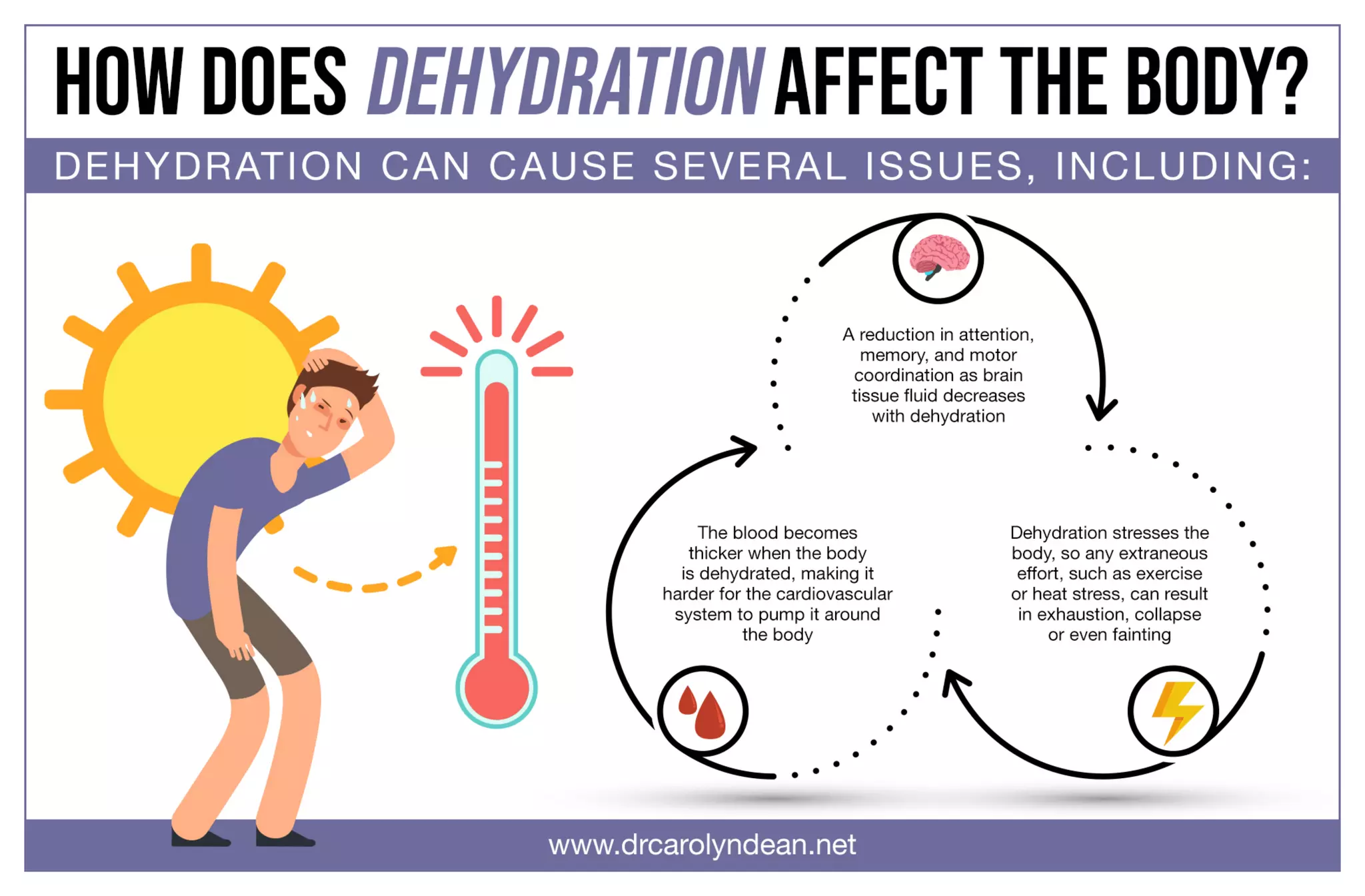 How Does Dehydration Affect the Body? | PDF
Here’s where it gets wild. A 2018 study on nearly 3,000 adults found that people who drank less than two glasses of water a day were twice as likely to report depression symptoms compared to those who drank five or more glasses. That’s not a typo—twice as likely. Dehydration didn’t just make them grumpy; it doubled their risk of feeling like life is a treadmill with no off switch.
And get this: even mild dehydration can impair your focus and memory, making you feel foggy and worthless. But that’s not depression—that’s just your brain screaming, “I’m running on fumes and 2018’s leftover Diet Coke!”
The Hydration Hangover
You know that “hangover” feeling where you promise the toilet you’ll never drink again? That’s mostly dehydration. Alcohol forces your kidneys to go full marathon, and you pee out more fluid than you took in. The result? Anxiety, depression, and a burning desire to delete your social media. It’s not a moral failure—it’s a fluid volume crisis with a side of regret.
So next time you’re feeling blue after a night out, drink a liter of water and eat a banana before you text your ex. You might still miss them, but at least you won’t be a dehydrated, electrolyte-deficient wreck while doing it.
How to Not Dehydrate (It’s Not Rocket Science, But Close)
First, ditch the rule “eight glasses a day.” That’s a myth from the 1940s that’s about as useful as a screen door on a submarine. Your water needs depend on your size, sweat level, and how much you’re eating. A good rule: pee should be pale yellow or clear. If it looks like iced tea, you’re behind.
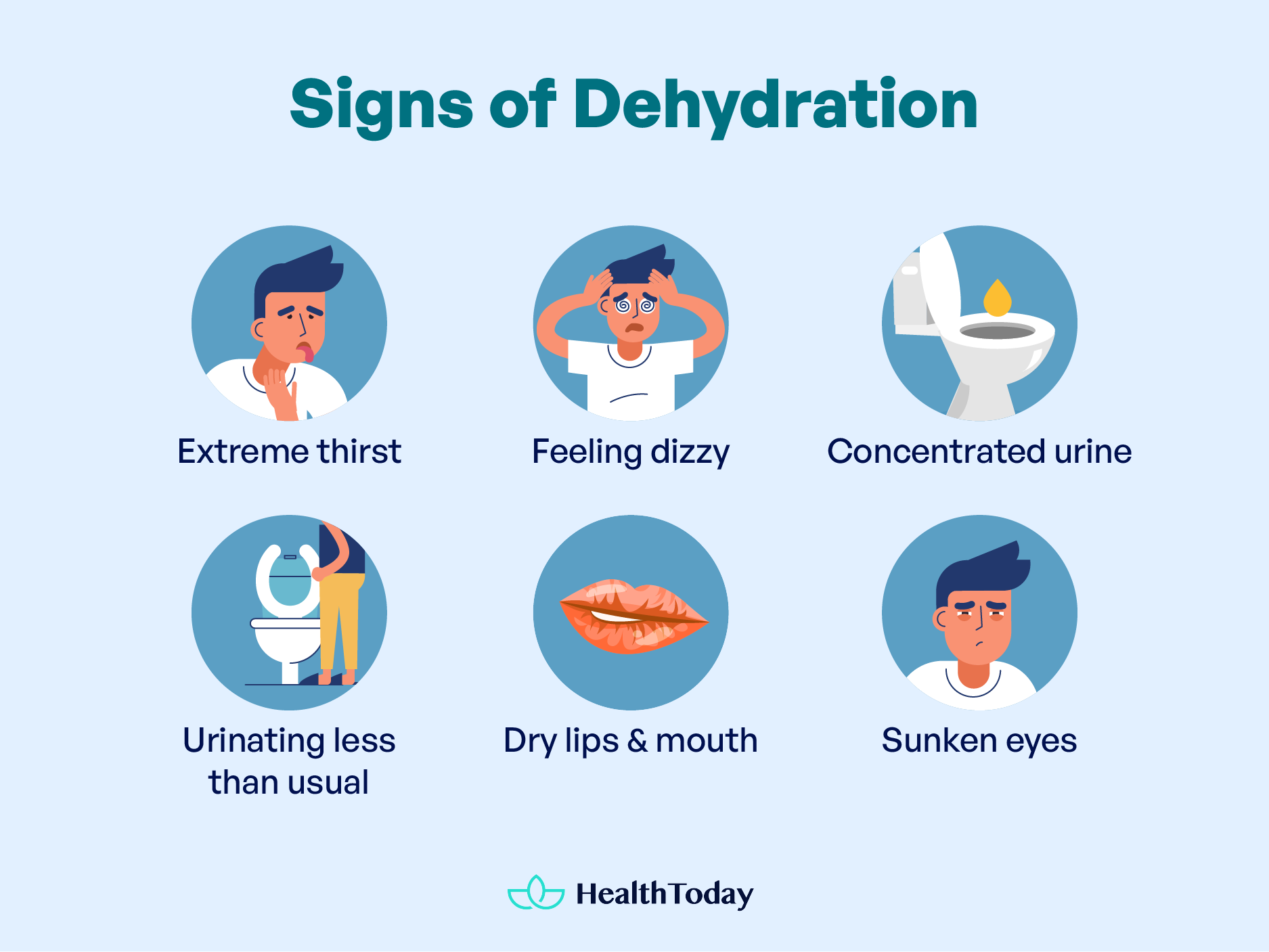 Does Dehydration Cause Anxiety | Practical Tips for Relief
Second, eat your water. Foods like cucumbers, watermelon, and celery are basically crunchy water bottles. A big salad can hydrate you better than two glasses of water, plus it won’t make you run to the bathroom like a leaky faucet.
Third, stop ignoring thirst. Thirst is your brain’s way of saying, “Hey, you absolute walnut, I’m dying here.” Drink a glass before coffee, after exercise, and anytime you feel an emotion that doesn’t have a clear cause. Bored? Drink. Angry at traffic? Drink. Wondering if you should buy a bonsai tree to feel less alone? Definitely drink.
The Bottom Line (No, Really, It’s Important)
Can dehydration cause depression and anxiety? Not exactly—it’s not like one dry mouth will send you to a padded room. But chronic, mild dehydration is like sprinkling anxiety dust on a brain that’s already struggling. It amplifies negative moods, mimics panic attacks, and makes depression feel like a heavier blanket.
The surprising truth: in many cases, a glass of water is more effective than a pep talk. So before you schedule a therapy appointment for that sudden wave of doom, chug some H2O. You might still need therapy, but at least you’ll be hydrated while you unpack your childhood. And honestly? That’s a win.
Now go drink something. Your brain is doing a sad little dance, and it’s not cute.
