How To Get Rid Of White Residue In Dishwasher

You know that moment. You pull out a glass, hold it up to the light, and instead of a sparkling clean vessel for your morning orange juice, you see a chalky, white film that l...

You know that moment. You pull out a glass, hold it up to the light, and instead of a sparkling clean vessel for your morning orange juice, you see a chalky, white film that looks like a ghost tried to high-five it. It’s not dirt. It’s worse. It’s the dreaded white residue. It makes your dishes look like they’ve been dusted with powdered sugar, but not the fun kind.
I’ve been there. I once threw a dinner party and spent the entire main course apologizing for “rustic” glasses that looked like they’d been dipped in a chalkboard. It’s a silent betrayal from a machine we trust to clean our lives. But don't worry, we can fix this without a Ph.D. in plumbing.
Step One: Don't Blame The Dishwasher (Yet)
First, let’s get one thing straight. Your dishwasher is not a villain. It’s just a very confused water park. That white film is usually hard water--minerals like calcium and magnesium that didn't evaporate; they just hung around like a boring party guest.
Must Read
Think of it this way: your tap water is trying to build a tiny, invisible limestone cave on your wine glasses. It’s ambitious, but it’s ruining your crystal. The fix isn't a sledgehammer, it's a rinse aid.
Yes, that little compartment you’ve been ignoring for six months? Fill it. Rinse aid is like a raincoat for your dishes. It makes water bead off instead of clinging and drying into a white mess. If you hear “but it’s expensive,” trust me, the cost of one bottle is less than the cost of replacing every stained mug.
Check Your Spouses… I Mean, Your Detergent
Another culprit is your detergent. If you’re using those adorable little pods, they’re convenient but can sometimes be too soapy for soft water, or not powerful enough for hard water. You need to match the detergent to your water’s mood.
Try switching to a powder or a gel with built-in water softeners. I once used a fancy, eco-friendly pod that left a film so thick my grandmother’s china looked like it had a second, misty identity. A quick swap to a classic powder with a phosphate booster solved it in one cycle.
Also, are you using too much? It’s tempting to “double up” for a tough load, but more detergent doesn’t mean cleaner dishes. It means more residue. Follow the instructions, you overachiever.
 How to Get Rid of White Residue in Dishwasher: Sparkling Tips
Step Two: The Deep Clean (The “Saturday Night Exorcism”)
So you’ve changed your detergent and added rinse aid, but the white film is still there? That means it’s built up inside the machine itself. Time for a spa day for your dishwasher. It’s seen a lot of battle.
Grab a cup of white vinegar. Not the fancy balsamic, the cheap stuff. Place it upright on the top rack and run a hot cycle with no other dishes. The vinegar steam will break down the mineral crust like a hot yoga class melts a stubborn muffin top.
I did this and watched the water in the bottom of the machine turn a terrifying, milky gray. It was beautiful. It was the ghost of every meal I’d ever cooked leaving my appliance. Do this once a month. It’s cheaper than therapy.
The Baking Soda Chaser
After the vinegar cycle, sprinkle a cup of baking soda across the bottom of the dishwasher. Run a short, hot cycle. This deodorizes and scrubs any leftover residue. Your dishwasher will come out smelling like a bakery, not a swamp.
I call this the “fizz and flush” method. It sounds like a dance move from the 80s, but it works. The combo of acid (vinegar) and base (baking soda) is like sending in a tiny, aggressive cleaning brigade.
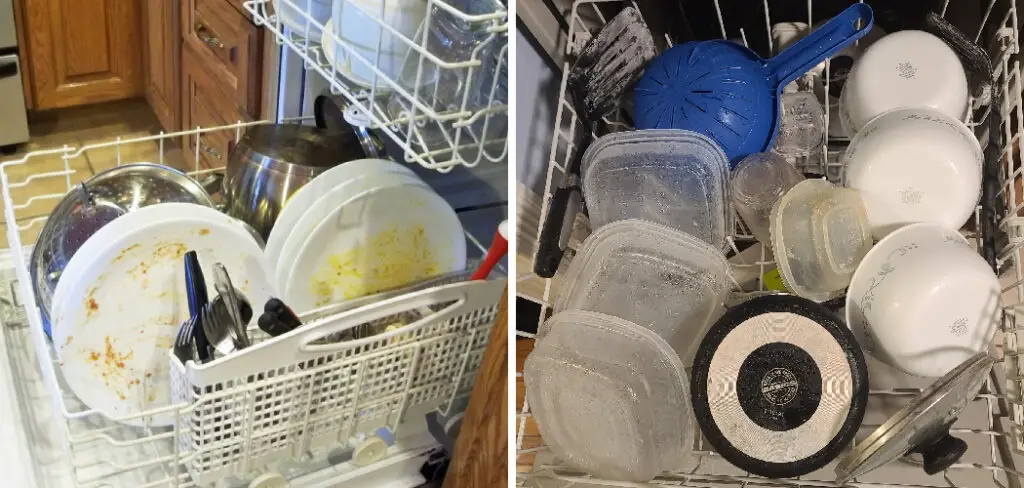 How to Get Rid of White Residue in Dishwasher | 10 Easy Steps
Pro tip: while it’s running, clean the filter. Pull it out, scrape the gunk off it. That smelly, slimy thing is your dishwasher’s belly button lint. It traps food and re-deposits minerals. A clean filter is a happy machine.
Step Three: The Last Resort (The Hard Water Fix)
If you’ve done all of this and your glasses still look like they’re auditioning for a role in a Twilight movie, you have extremely hard water. You need a permanent solution. Consider a water softener for your entire house.
I know, it sounds like a big deal. But think of it this way: you are basically living in a cave where the water has decided to calcify your life. A softener is the superhero that turns that hard, angry water into soft, obedient rain. Your hair and skin will thank you too.
If a whole-house system is too much, buy a dishwasher-specific water softener (some models have a built-in salt compartment you can fill). It’s like giving your dishwasher a personal shield against chalk. Once you do, you’ll pull out a glass and it will squeak when you rub it.
So, take a deep breath. You’re not a bad person because your glasses have a white film. You’re just a person living in a world with sneaky minerals. Fill the rinse aid, run the vinegar, clean the filter. Your dishes will go from “meh” to “mirror” in no time. And honestly? That first perfect, streak-free wine glass feels like winning the lottery. Cheers to that.
