Does Iced Tea Have More Caffeine Than Coffee

Let’s settle this. You’re sweating on a patio, sipping a tall glass of iced tea. Your friend orders an iced latte. Who gets the bigger jolt? The short answer: No. Coffee usua...

Let’s settle this. You’re sweating on a patio, sipping a tall glass of iced tea. Your friend orders an iced latte. Who gets the bigger jolt?
The short answer: No. Coffee usually wins the caffeine battle. But hold on—it’s way more fun than that. Grab a straw, and let’s dive into this caffeinated mystery.
The Big Showdown: Numbers That Surprise
A standard 8-ounce cup of hot coffee has about 95–165 mg of caffeine. The same size of iced tea? Roughly 25–50 mg. That’s a three-to-one ratio, easy.
Must Read
But wait—most people don’t drink 8 ounces of iced tea. You’re probably guzzling a 16-ounce or 24-ounce cup. That changes everything. Suddenly, your massive iced tea can pack 50 to 150 mg of caffeine.
So if you’re drinking a big, bold black iced tea, you might actually match a small coffee. Mind blown yet?
The Type of Tea Matters—A Lot
Not all iced teas are created equal. Black tea has the most caffeine (about 40–70 mg per cup). Green tea is lighter (20–30 mg). Herbal iced tea? That’s basically fancy water—zero caffeine.
Here’s a quirky fact: white tea often has more caffeine than green tea. Why? It’s made from young leaves and buds, which are caffeine powerhouses. Don’t let the name fool you.
And then there’s pu-erh tea. This fermented, earthy brew can hit 60–70 mg per cup. Drink it iced, and you’ll feel a buzz that rivals a light roast coffee.
The Brewing Secret: Cold vs. Hot
Here’s where it gets weird. If you brew tea hot and then chill it, you get one caffeine level. But cold-brewing iced tea? That extracts more caffeine, not less.
Studies show cold-brewed tea can have up to 50% more caffeine than hot-brewed tea. Why? Steeping for hours in cold water pulls out compounds the hot method misses. So your homemade cold-brew iced tea might be a caffeine beast.
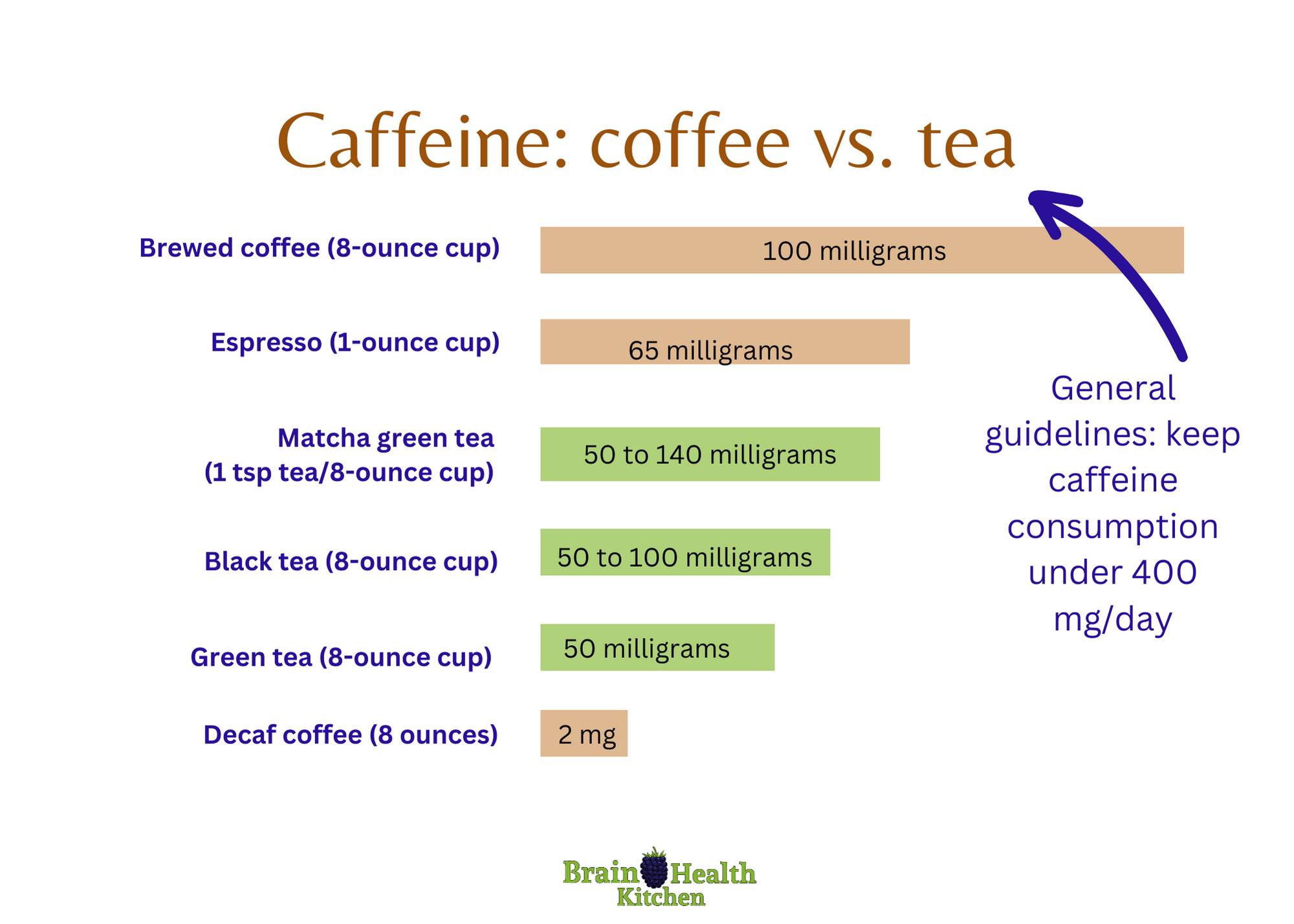 Why Drinking Tea Is A Brain-Healthy Habit
Coffee also loves cold brew. It can hit 200–300 mg per 16 ounces. But your iced tea cold brew? Still usually weaker—just not as weak as you thought.
The “Iced Coffee” Trap
Order an “iced coffee” at a café, and it’s often just hot coffee poured over ice. That dilutes the caffeine. A large iced coffee might have 150–200 mg. Your iced tea? Maybe 80–120 mg.
But here’s a funny twist: many bottled iced teas are mostly sugar and water. Check the label—some have only 10–20 mg per bottle. You’re basically paying for a caffeine whisper.
Meanwhile, matcha iced tea is a ninja. One serving of matcha powder (used in lattes or iced drinks) can deliver 70–80 mg. That’s almost coffee-level. But it tastes like grass, so you’ve been warned.
Why Your Grandma’s Iced Tea Feels Weak
If your iced tea tastes like brown water, it’s probably under-steeped. Restaurants often brew tea for just a few minutes. For maximum caffeine, you need 5–7 minutes of steeping—or even longer for cold brew.
Fun fact: The longer you steep, the more caffeine you get—up to a point. After 15 minutes, the extraction stops because the water is saturated. So don’t leave your tea bag in for a week. That’s just gross.
Also, crushed tea leaves release caffeine faster than whole leaves. That’s why bagged iced tea often has more buzz than fancy loose-leaf brews. Convenience wins again.
/SPR_765276-caffeine-in-coffee-tea-cola-5a8c2f5a3de423003797d7c1.png) How Much Caffeine Does Iced Tea Have Compared To Coffee - Coffee Signatures
How Much Caffeine Does Iced Tea Have Compared To Coffee - Coffee Signatures
The Decaf Lie
Think decaf iced tea is safe? Ha. Decaf tea still has 2–5 mg per cup. Drink a giant decaf iced tea, and you might get 10–15 mg. That’s enough to keep you awake if you’re sensitive.
Coffee decaf is worse. It can have 3–15 mg per cup. So your “decaf” iced latte is basically a sneaky caffeine sliver. Society is a beautiful lie.
So, What Should You Drink?
If you want maximum get-up-and-go, coffee wins. Every time. But if you love sipping something huge and refreshing, iced tea is a surprisingly decent contender.
Pro tip: Order a double-strength iced tea. That means using twice the tea leaves or bags. Your caffeine will jump to 80–100 mg per cup. That’s a moral victory over coffee.
Or go rogue: mix iced tea with a shot of espresso. It’s called a “dirty chai” (though usually hot). Try it iced. Now you have the best of both worlds—and a caffeine level that might make your heart skip a beat.
The Last Sip
Here’s the weirdest part: caffeine in iced tea feels different. Tea contains L-theanine, an amino acid that smooths out the buzz. You get alert but not jittery. Coffee has less of that, so it hits harder and ends faster.
Meanwhile, iced coffee can cause your body temperature to drop (hello, science!). But iced tea has antioxidants that fight inflammation. Both are glorious. Both hydrate.
So stop worrying. Drink what makes you happy. Unless it’s 3 PM, and you have a meeting. Then coffee. Definitely coffee. Or a cold-brew black tea with a splash of espresso. Your call. Just remember: curiosity tastes better than rules.
