How To Get Rust Water Stains Out Of Clothes

So, you grabbed your favorite white t-shirt, gave it a good splash of rusty tap water—maybe from that ancient pipe your landlord calls “character”—and now it looks like a crim...

So, you grabbed your favorite white t-shirt, gave it a good splash of rusty tap water—maybe from that ancient pipe your landlord calls “character”—and now it looks like a crime scene from a low-budget horror film. Don’t panic. I’ve been there, standing in my kitchen, staring at a brown-orange splotch that seemed to mock my cleaning skills. Here’s the good news: rust stains are stubborn, but they’re not invincible. You just need the right weapons and a little bit of kitchen chemistry.
First Rule: No Bleach! Never, Ever, Ever Use Bleach
I know, I know—bleach solves everything, right? Wrong. Bleach is like a bad friend who shows up to your party and sets the curtains on fire. When bleach hits rust, it locks that stain into the fabric fibers like superglue. You’ll end up with a permanent, darker rust tattoo that even a trip to the dry cleaner’s can’t fix. Trust me: I once bleached a rust spot on my favorite jeans, and now they look like I wrestled a rusty folding chair.
Instead, think of rust as a metal stain, not a dirt stain. Your enemy is iron oxide, and you need to chemically dissolve it, not scrub it. Scrubbing is for your ex’s number off your phone—not for this.
Must Read
The Secret Weapon: Lemon Juice & Salt (Yes, Like for Margaritas)
Raid your kitchen. You need a fresh lemon (or bottled lemon juice—no judgment), table salt, and sunlight. I call this the “trifecta of regret removal.” Squeeze lemon juice directly onto the stain, then sprinkle a generous pile of salt over it. The salt acts like an abrasive sponge, while the citric acid reacts with the rust to make it water-soluble. It’s like a tiny science fair project happening on your shirt.
Now, here’s the surprising part: sunlight is your best friend. Lay the garment flat in direct sunlight for about 30 minutes. The UV rays supercharge the reaction, turning that orange mess into a pale, wispy shadow. I once left a stained napkin out on my balcony, and within an hour, the stain looked like a ghost that had given up haunting.
What if the Sun is on Vacation? Use White Vinegar
No sun? No problem. Grab a bottle of white vinegar—the cheap stuff that smells like regret and old socks. Soak the stained area in vinegar for about 10–15 minutes. Then, sprinkle a little baking soda on top for fizzing fun. The fizz helps lift the rust out of the fibers. After that, rinse with cold water and repeat if needed. It works best on cotton and denim, but test on a hidden spot first—silk will throw a fit.
Fun fact: white vinegar is also great for cleaning coffee pots, removing stickers, and convincing your houseplants you’re a good gardener. But for rust, it’s a legit hero.
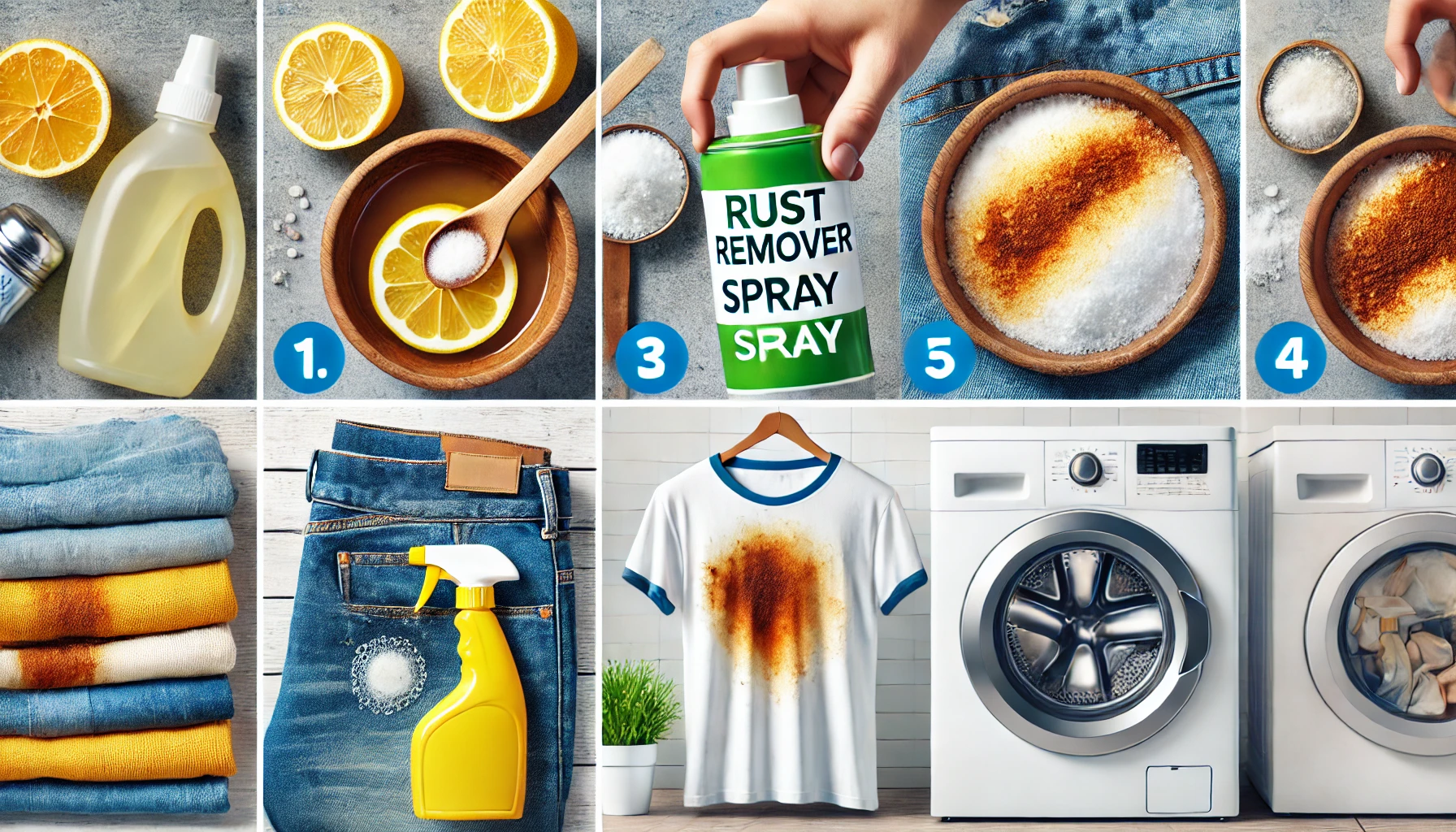 How To Get Rid Of A Rust Stain (step-by-step Guide) | TAFT Independent
The Heavy-Duty Option: Cream of Tartar (The Spice Rack’s Secret Agent)
If lemon juice and vinegar feel too beginner-level, step up to cream of tartar. Yes, that dusty jar your grandmother kept next to the cinnamon for baking snickerdoodles. Mix it with a little water or lemon juice to form a paste. Spread it on the stain, let it sit for 20 minutes, then launder as usual. It’s like sending a tiny clean-up crew that eats rust for breakfast.
One time, I dropped a rusty paperclip on my white linen shirt—don’t ask, it’s a long story about a toaster and a bet. Cream of tartar erased that spot so completely, my friend thought I had bought a new shirt. I didn’t correct them. But here’s the kicker: you can also use tomato juice (yes, from the can) because the acid works similarly. Your shirt will smell like a pizza, but the stain will flee.
When All Else Fails: Commercial Rust Removers (But Read the Label Like Your Life Depends on It)
There are products like Whink or Zout that are specifically formulated to remove rust from clothes. They contain hydrofluoric acid—which sounds scary because it is. Use them outside or near a window, wear gloves, and never mix them with bleach (I already warned you). Follow the instructions as if they’re a ransom note. One wrong move, and you’ll have a hole in your shirt instead of a stain.
Surprising fact: Rust stains are actually more common on synthetic fabrics than natural ones because synthetic fibers hold onto metal ions like a jealous ex. So if you’re wearing polyester or nylon, you have my sympathy—and a tougher fight.
 How To Get Rust Out Of Clothes (step-by-step Guide) | TAFT Independent
Prevention: A Boring But Smart Move
To avoid future rusty drama, stop using rusty hangers, dryer racks that are chipping, or metal buttons that have seen better days. And if you live in an old building with pipe issues, run the tap for a few seconds before washing your face or soaking clothes. I learned this the hard way after a rusty showerhead baptized my favorite towel into a Jackson Pollock painting.
Also, check your pockets for loose change, old keys, or that pocket knife you forgot about. A wet pocket full of coins is basically a hospital for rust stains.
Final Thoughts: You’ve Got This
Rust stains look dramatic, but they’re not permanent. With a lemon, some salt, a bit of patience, and maybe a good laugh at your own misfortune, you can save almost any garment. And if all else fails, just turn that t-shirt into a rust-themed “vintage” piece—call it “abstract metal art” and charge your friends money to wear it. I won’t judge. I’d probably buy a ticket.
Now go forth and conquer that stain. Your clothes smell like vinegar, but your dignity—and your shirt—will survive.
