Where Does The Water In Our Taps Come From

So, you’re standing in your kitchen. You twist the tap. Whoosh. Crystal-clear water pours out. You fill your glass without a second thought. But wait. Where did that water com...
So, you’re standing in your kitchen. You twist the tap. Whoosh. Crystal-clear water pours out. You fill your glass without a second thought.
But wait. Where did that water come from? It didn’t just magically appear, right? I mean, Tinkerbell isn’t hiding behind your faucet.
The Great Water Adventure Begins
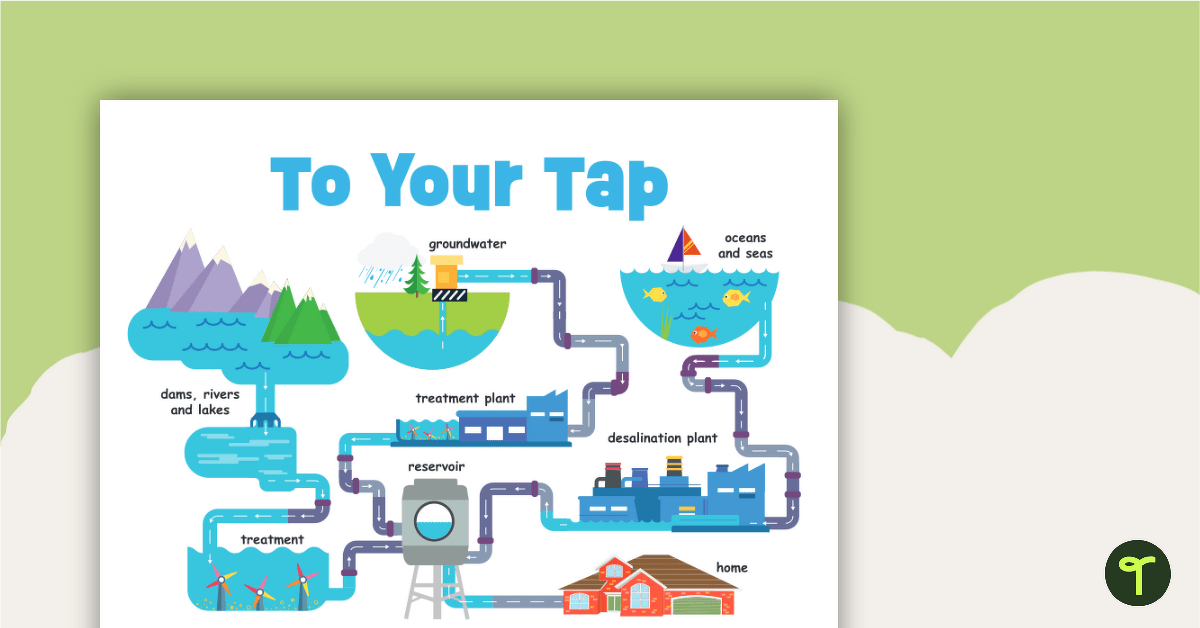
Your tap water starts somewhere wild. Probably a river, a lake, or a giant underground aquifer. Think of it as water that was once swimming with fish or soaking through ancient rock.
Must Read
It’s not clean yet. Far from it. That water is basically a muddy, bacteria-filled soup. Gross, right? But don’t panic — your city has a plan.
That plan is called a water treatment plant. And it’s like a spa day for dirty water. Except, you know, with more chlorine and less cucumber slices.
Step One: Let’s Get That Gunk Out
First, the water sits in a big tank. All the heavy stuff — sand, grit, dead leaves — sinks to the bottom. Engineers call this sedimentation. I call it “letting the mud take a nap.”
Then they add chemicals like alum. These make tiny particles clump together into fluffy blobs called floc. Yes, floc. It’s a real word. Science is weirdly adorable.
Those blobs sink too. Now the water is clearer, but it’s still not safe to drink. Hang tight — we’re getting there.
Step Two: The Filtration Fiesta
Next, the water flows through layers of sand, gravel, and charcoal. This is like a supercharged coffee filter. It traps bacteria, dirt, and any floc that didn’t get the memo.
Some plants even use membranes with tiny holes. These holes are so small that germs just bounce off. Imagine a bouncer at a club saying, “Sorry, E. coli, you’re not on the list.”
By now, the water is pretty darn clean. But we’re not done. Because nature is sneaky.
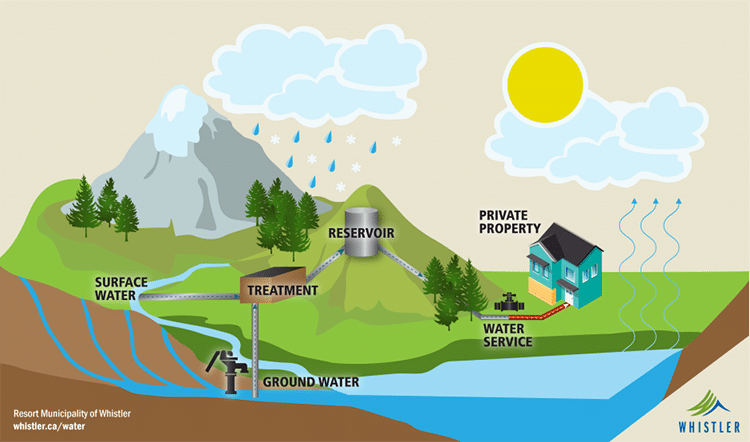 The Journey of Tap Water: From Source to Tap
Step Three: The Germ-Killing Party
This is where the magic happens. They add chlorine or ozone gas. These are the bouncers of the chemical world — they punch any leftover viruses and bacteria in the face. Legally.
Some places also blast the water with UV light. That’s right: ultraviolet rays, like you get at the salon, but for killing germs. Your tap water is basically getting a tan.
Wait — does that mean my water has a better skincare routine than me? Probably.
The Long Journey Home
Now the clean water sits in a huge storage tank. It’s like a Olympic-sized swimming pool, but way less fun. From there, it’s pumped into a network of pipes buried under your street.
Those pipes? They’re old. In some cities, they’re from the 1800s. Iron, steel, or plastic — all shoved underground like a giant plumbing snake. And yes, sometimes they leak. But that’s rare.
Your house has a water meter that tracks every drop. So when you brush your teeth a little too long, the city knows. They’re judging you. Just kidding. (But maybe don’t waste it, okay?)
What About Well Water?
Not everyone gets water from a city plant. If you live in the countryside, your water might come from a well. You’re basically drinking from an underground river that’s been filtered by layers of rock.
That rock acts like a natural Brita filter. But you still need to test your well for bacteria and minerals like arsenic. Yes, arsenic. Because why should city folks have all the drama?
Well water tastes different too. Some people say it’s “minerally” or “clean.” I think it tastes like the ground smells after rain. Which, okay, is actually pretty nice.
 Water Poster: To Your Tap | How does water get to your tap, Water cycle
Fun Facts to Annoy Your Friends With
Did you know the water you’re drinking might have been in a dinosaur’s bladder 65 million years ago? Water is recycled endlessly. So, cheers to T-Rex pee.
Also, your tap water probably contains fluoride. That’s a mineral that prevents cavities. Your city adds it on purpose. It’s like a dentist, but liquid.
And here’s a weird one: most tap water has tiny amounts of dissolved oxygen. That’s why it doesn’t taste flat. It’s literally alive with gas. Spooky, no?
So, Is It Safe?
Short answer: Yes. At least in most developed countries. Governments test tap water constantly. They check for lead, pesticides, and even radioactive stuff. It’s boring but important.
But lead can sneak in from old pipes in your own house. If your home was built before 1986, get your water tested. It’s free or cheap, and it’ll save you from becoming a plot point on a true crime podcast.
Otherwise, drink up. That glass in your hand has traveled through mountains, filtration plants, and miles of dark pipes. It’s basically a travel influencer, but wetter.
The Final Gulp
Next time you fill your kettle, think about the journey. Rain falls, river flows, plant treats, pipe delivers. It’s a miracle of engineering and geology. And you just chugged it in three seconds.
So go ahead. clink your glass against the sink. You’re toasting to engineers, antique pipes, and a little bit of dinosaur bladder. Not bad for a Tuesday, huh?
Now, where’s my coffee?
