How To Tell When Water Softener Needs Salt

So, you’ve got a water softener. Congratulations, you’re now the proud owner of a magical box that turns your “hard” water into something a little less aggressive on your show...
So, you’ve got a water softener. Congratulations, you’re now the proud owner of a magical box that turns your “hard” water into something a little less aggressive on your shower doors. But like any magical box, it needs fuel. That fuel is salt. And when the salt runs out? Your water starts acting like a cranky diva.
The first sign your softener is screaming for salt is hard water creeping back into your life. You know that squeaky clean feeling on your skin after a shower? Yeah, that’s actually not clean—that’s soap scum clinging to you like a jealous ex. If your hair feels like straw and your dishes come out looking like they fought a losing battle with a chalkboard, suspect low salt.
Another dead giveaway: your water tastes like a mineral bath you didn’t ask for. Hard water has a metallic, “I’ve been sitting in a rusty pipe for decades” vibe. Your morning coffee might start tasting like it was brewed in a tin can. That’s your softener’s way of saying, “Feed me, Seymour!”
Must Read
The Physical Tell-Tale Signs
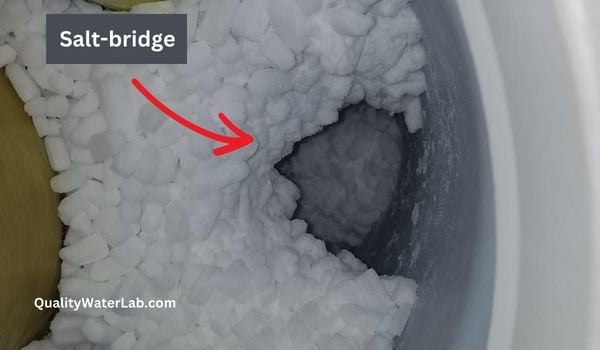
Go look at your salt tank right now. I’ll wait. If you see a solid, white, rock-like mass instead of loose pellets, you have what the pros call a “salt bridge.” It’s basically a crustacean of salt that has formed a crust over the water, tricking the machine into thinking it’s full when it’s actually starving. This is the softener’s version of putting a fake plant on your desk so the boss thinks you’re working.
If the salt level is below the water line—or you can see standing water above the salt—you’ve got a “mush” problem. That means the salt dissolved too quickly, creating a salty sludge. It’s like your softener turned into a swamp. Don’t blame the machine; blame the cheap-as-dirt solar salt you bought because it was on sale.
Surprising fact: your water softener can go through salt faster if you have iron in your water. Iron is like that friend who eats all the snacks without asking. It forces the resin beads to regenerate more often, guzzling salt like a frat boy at a kegger. If you have rusty stains in your sink, your salt bill is about to get spicy.
The “Full Tank” Illusion
Here’s a trap: you look inside and see salt up to the top. You think, “Great, I’m set for a month!” Wrong. Salt can “clump” and form a hollow dome underneath. You’re basically looking at an igloo. Tap the top with a broom handle. If it sounds hollow, you’ve got a salt bridge. Break it up before your softener stage dives into depression.
 How to Clean a Water Softener (Easy 2025 Guide) - QWL
Also, do not—I repeat, do not—just dump salt on top of a bridge. You’ll just create a salt pyramid like some ancient Egyptian monument. The machine still won’t get any brine, and your water will remain as hard as your ex’s heart. Always break the crust first, then add salt.
What about the brine tank’s smell? A healthy softener smells like… nothing, or maybe faintly of ocean. But if it smells like a sewer crawled into a gym sock and died? You’ve got bacteria growing in the resin. Low salt equals stagnant brine, which is basically a bacterial jacuzzi. Time to shock it with resin cleaner or call a plumber who charges enough to make you weep.
The Obvious Loud Noises
If your softener starts making a gurgling sound like a dying Wookiee, that’s air in the lines. Air comes from an empty brine tank. The machine is literally sucking air instead of salty water. It’s like trying to drink a milkshake from a straw when the cup is empty—you just get a sad, slurping noise.
Another sound: a hissing that lasts more than a few minutes during regeneration. That’s the valve struggling to push water through a salt-starved system. It’s the machine’s version of hitting the gas with an empty fuel tank. Eventually, it gives up and just makes your water harder out of spite.
 Water Softener Salt: How Much, What Kind, and How Often
Fun fact: a softener can go two to three weeks without salt before it fully gives up. But that’s like driving on the highway with the gas light on—you’re just playing chicken with your plumbing. Most people notice issues within a week of total emptiness, especially if they have kids who take 45-minute showers.
The Final, Unmistakable Clue
The ultimate nail in the coffin? You see white crusty buildup on your faucets and showerhead. That’s calcium and magnesium doing a victory dance. Your softener has thrown in the towel. You are now back to scrubbing those little white deposits off everything. This is the softener’s way of flipping you the bird.
So, how often should you check the salt? Once a month is the sweet spot. Put it in your phone calendar. Call it “Salt Check Day” and reward yourself with a cookie. If you have a big family or super hard water, check every two weeks. Your water will thank you by not making your laundry look like it’s from the 1800s.
Finally, here’s the plot twist: you don’t actually want the salt tank completely full. Leave a couple of inches of space at the top. Why? Because salt needs room to move and dissolve properly. Too much salt can actually prevent the brine from forming correctly. It’s like overstuffing a Thanksgiving turkey—doesn’t cook right. Keep it at around half to two-thirds full for peak efficiency.
In conclusion, treat your water softener like a pet. If it whines, gurgles, or leaves crusty surprises, it’s hungry. Give it some salt, break up its bridges, and you’ll be rewarded with water so soft you’ll feel like you’re bathing in clouds. Ignore it, and you’ll be back to scrubbing, swearing, and drinking coffee that tastes like regret.
