How To Check The Quality Of Drinking Water

Let’s be honest—most of us don’t give our tap water a second thought. We fill a glass, gulp it down, and move on with our day. But have you ever taken a moment to wonder if th...
Let’s be honest—most of us don’t give our tap water a second thought. We fill a glass, gulp it down, and move on with our day. But have you ever taken a moment to wonder if that clear liquid is really as pure as it looks? Checking your drinking water quality isn’t just for science geeks or worrywarts; it’s a simple habit that can keep you and your family feeling great. And the best part? You don’t need a lab coat or a fancy degree to do it.
Think of water like a good friend. You trust it, but every once in a while, you want to be sure it’s got your back. Your water should be clear, tasteless, and odorless—that’s the baseline. If your glass of water looks like it’s been through a mud puddle, that’s a red flag. But even if it looks perfect, there could be hidden surprises lurking inside, like minerals, chlorine, or even tiny bacteria.
So, how do you become a water detective without breaking a sweat? Let’s start with your senses—they’re your first line of defense. Fill a clean glass with tap water and hold it up to the light. If you see specks, cloudiness, or a tint of brown or green, something’s off. Next, give it a sniff. Does it smell like a swimming pool (chlorine) or a muddy river (sulfur)? Finally, take a small sip. If it tastes metallic, salty, or weirdly sweet, your water is trying to tell you something. I once had water that tasted like pennies—turns out, old pipes were leaking copper.
Must Read
Your Kitchen as a Mini-Lab
Now, let’s have a little fun. Grab a clear glass bottle, fill it with tap water, and let it sit on the counter for 24 hours. This is a classic trick. After a day, check for a film on the surface, a ring around the top, or sediment at the bottom. If you see any of these, your water might be high in minerals or organic matter. It’s not a crisis, but it’s a sign to look closer. I tried this once and found tiny white flakes—my hard water was leaving calcium deposits. No big deal, but my kettle sure hated it.
Another easy test: fill a spray bottle with water and spritz it on a clean mirror. Let it dry. If you see spots or streaks, that’s hard water—meaning dissolved minerals like calcium and magnesium. Hard water won’t hurt you, but it can leave your dishes cloudy and your hair feeling stiff. If you’re getting streaks, you might want a simple filter. Don’t panic; it’s like finding out your favorite jeans have a loose thread—annoying, but fixable.
 Water Quality Test at Home - Drinking Water Analysis
When Your Nose and Eyes Aren’t Enough
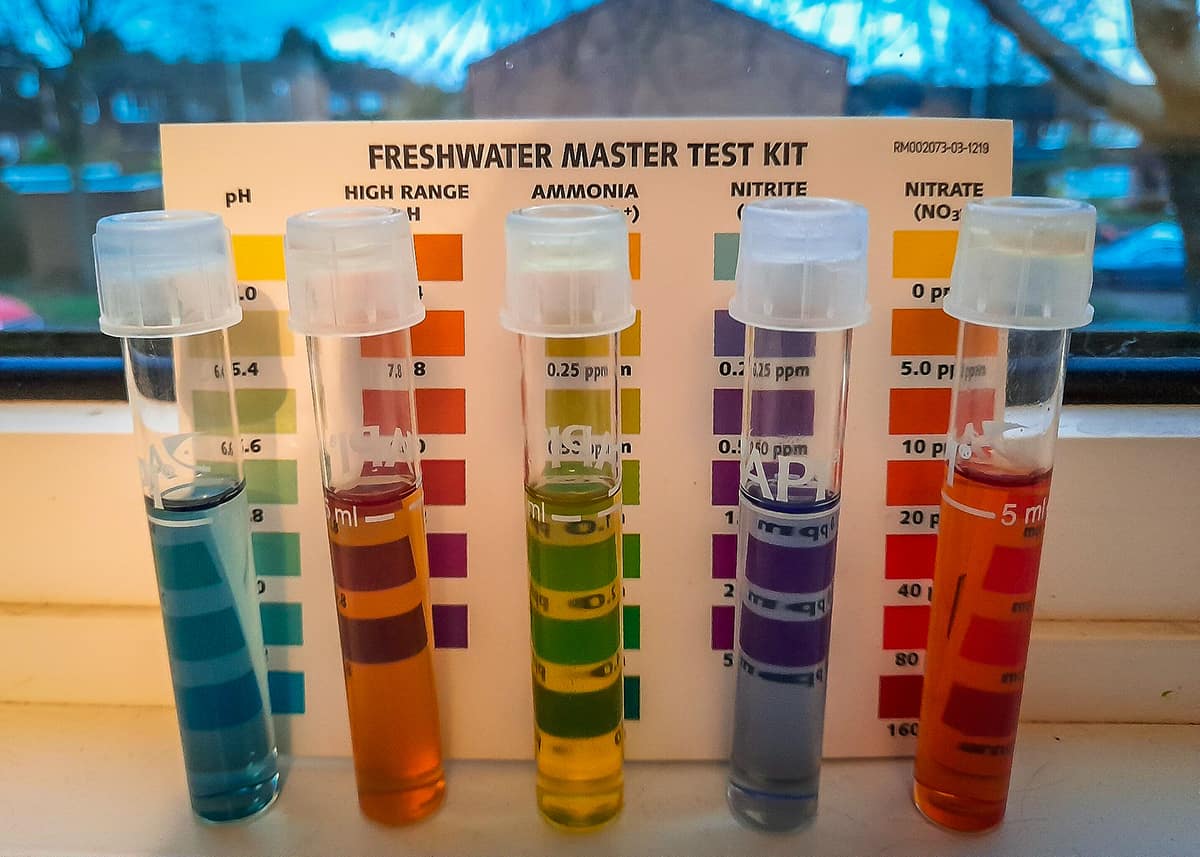
Okay, let’s get serious for a second. Some things you can’t see or taste, like bacteria, lead, or pesticides. That’s when you need a little help. You can buy a home water testing kit at a hardware store or online for about $10–$20. These kits use little strips or drops that change color to show levels of pH, chlorine, nitrates, and more. It’s like a mood ring for your water! I did one last year and found out my water was slightly acidic (pH 6.2)—not dangerous, but I started adding a pinch of baking soda to my coffee. Weird? Maybe. But it tasted better.
If you’re really curious, you can send a sample to a certified lab. Most states offer this service for a small fee. You just fill a sterile bottle, mail it off, and get a detailed report in a couple of weeks. I did this once after a flood warning in my area, and it gave me peace of mind. The report said my water had no lead, but it had a bit more iron than ideal. I bought a cheap pitcher filter, and boom—problem solved.
 How to check the quality of drinking water? » Şirin Su
Why You Should Care (Besides Not Drinking Metal)
Here’s the thing: your body is about 60% water. Every cell, every tissue, every sip you take affects your energy, your skin, and even your mood. Drinking clean water helps you think clearer, digest food better, and wake up feeling less groggy. Have you ever had a headache that just wouldn’t quit? Sometimes it’s dehydration, but other times it’s low-quality water messing with your system. I used to get afternoon slumps until I realized my tap water had extra chlorine—a filter fixed both my headaches and my coffee’s taste.
Think of checking your water like checking the air in your tires. You don’t do it every day, but doing it every few months keeps you from getting stuck on the side of the road. It’s a small effort for a huge payoff. Your family’s health is worth a few minutes of curiosity. Plus, it’s oddly satisfying to know exactly what’s coming out of your faucet.
Start with your senses, try the bottle test, and grab a simple kit if you feel like a scientist for a day. You don’t need to become an expert—just pay attention. Your water might be perfect right now, and that’s awesome. But if it’s not, you’ll catch it early and fix it easily. Cheers to that!
