What Does A Reverse Osmosis Filter Remove

You know that feeling when you take a sip of tap water and your tongue goes, “Hmm, what’s that? A hint of pool, a whisper of old pipe?” Yeah, me too. That’s where the unsung h...
You know that feeling when you take a sip of tap water and your tongue goes, “Hmm, what’s that? A hint of pool, a whisper of old pipe?” Yeah, me too. That’s where the unsung hero of the kitchen counter enters: the reverse osmosis filter. It’s not just a gadget; it’s the bouncer at the club of your glass, deciding who gets in and who gets tossed.
The Mighty Bouncer of Your Tap
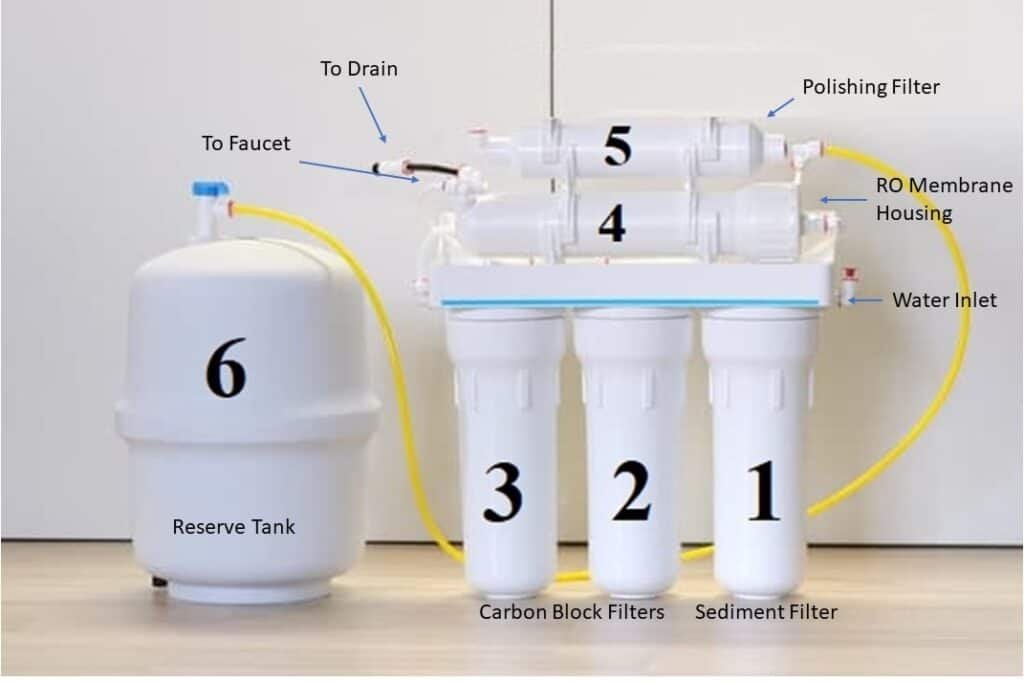
Reverse osmosis, or RO for those in the know, is basically water’s version of an extreme makeover. It shoves water through a semi-permeable membrane that’s so tight, only pure H₂O and a few tiny sidekicks can squeeze through. Everything else? It gets the boot. Think of it as that friend who says, “No, you are not coming in with those muddy boots.”
So, what exactly does this high-tech bouncer remove? Let’s start with the boring but important stuff: lead, mercury, and arsenic. These are the uninvited guests that sneak in from old pipes or the environment. RO kicks them out like a party pooper who spills red wine on the white carpet.
Must Read
My aunt once had water that tasted like a metallic robot. She installed an RO system, and now she says her water tastes like “a mountain stream written by Disney.” That’s the goal. We’re talking removal rates of up to 99% for these nasty heavy metals.
The Stuff That Makes You Wince
Then there’s chlorine. It’s the stuff that makes your pool smell like a pool and your tap water taste like you’re rinsing with bleach. Most RO systems have a carbon pre-filter that gobbles chlorine up like a hungry hippo. Goodbye, mouthful of swimming pools. Hello, water that doesn’t need a warning label.
But my favorite thing it removes? Fluoride. Yes, I know it’s controversial. But if you’re a conspiracy theorist who thinks the government is putting something in your water—well, RO will take it out. It also nukes nitrates (from fertilizer runoff) and sulfates, which can make your water taste vaguely like a hard-boiled egg. Yum.
 Do Reverse Osmosis Filters Remove Chlorine at Michiko Durbin blog
Here’s a funny one: you know that film on your coffee mug that makes it look like a science experiment? That’s calcium and magnesium, aka hard water. RO removes these too, leaving you with water that’s so soft, your coffee will taste like a hug from a barista.
What RO Doesn’t Kick Out (And Why That’s Okay)
Now, don’t think it’s a superhero that fixes everything. RO does not remove all viruses or bacteria unless you pair it with UV light. It’s like having a great bouncer, but he’s not a doctor. If you have well water with live critters, you need extra help. But for most city folks, this is overkill.
It also doesn’t remove dissolved gases like radon. Those tiny gas molecules slip right through the membrane like a whisper. But honestly, unless you live on a uranium mine, you’re fine. RO is about banishing the solids and the bad-tasting stuff.
 Best Water Filters in UAE | Filtersco
I once had a friend who complained his water tasted like a wet sock. We tested it, and it was full of total dissolved solids (TDS). After a week with RO, he said, “This is the first time my water doesn’t make me question my life choices.” That’s the power of a good filter.
The Final Verdict from Your Kitchen
So what does an RO filter remove? It’s like the Marie Kondo of your water: it keeps the things that spark joy (pure H₂O) and throws out the clutter (heavy metals, chlorine, fluoride, hard water minerals, pesticides, and even some pharmaceuticals). It’s not perfect, but it’s the closest thing to a reset button for your tap.
Think of it this way: if your tap water were a movie character, RO is the scene where they finally take off the dirty disguise and reveal the flawless star underneath. One glass, and you’ll never go back to guessing what that funky flavor is. Your taste buds will thank you. Your kettle will never have that white crust again. And you’ll finally know what water is supposed to taste like: clean, crisp, and utterly boring in the best way possible.
And honestly, isn’t boring water what we all really want? No surprises, no metallic tang, no pool flashbacks. Just pure, drinkable bliss. Cheers to that.
