Does Dehydration Synthesis Require Energy

So, you’re staring at a biology term like “dehydration synthesis” and your brain immediately checks out, right? Don’t worry—mine does too, until I realize it’s actually about...

So, you’re staring at a biology term like “dehydration synthesis” and your brain immediately checks out, right? Don’t worry—mine does too, until I realize it’s actually about something I do every single day. Let’s make this painless, and maybe even a little fun.
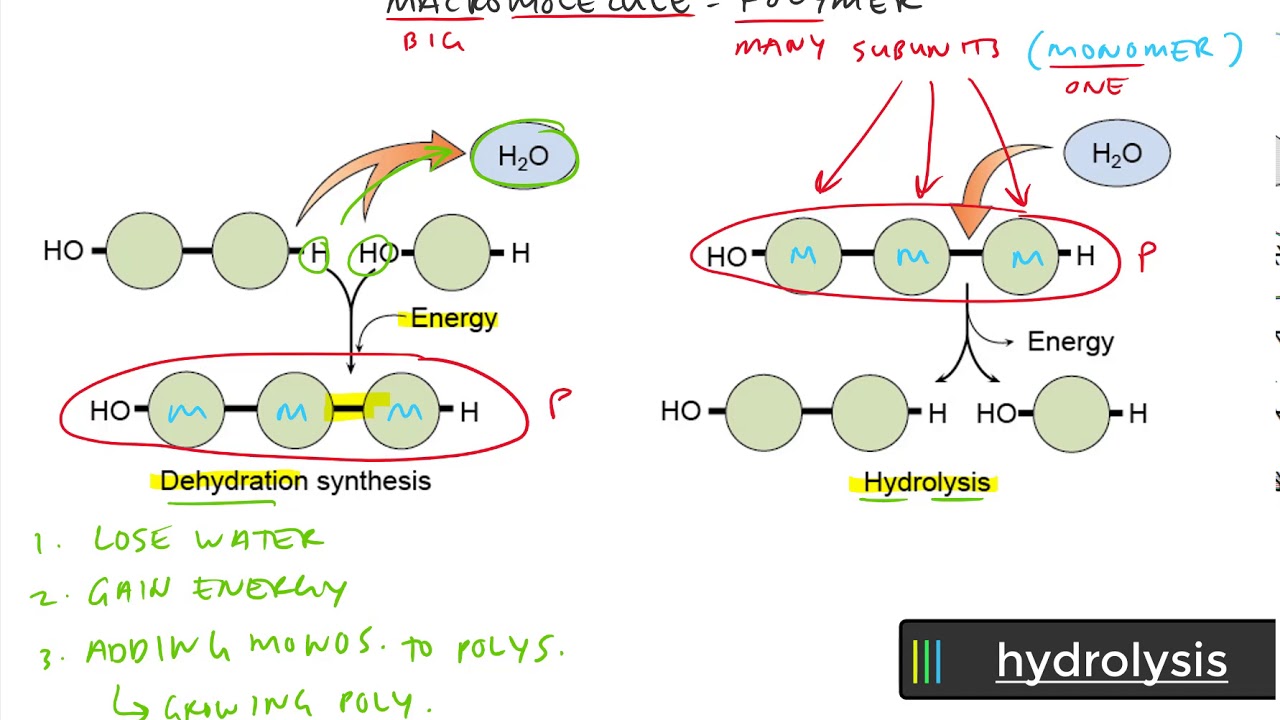
Here’s the short answer: Yes, dehydration synthesis absolutely requires energy. It’s not a lazy process that happens on its own—it’s the hard-working musician of the molecular world, building something new by putting in some serious effort.
Think of it like making a friendship bracelet. You can’t just throw two strings together and expect them to knot themselves. You have to pull, twist, and use your own energy to connect them. That’s dehydration synthesis in a nutshell.
Must Read
What Even Is Dehydration Synthesis? (A Very Chill Explanation)
Imagine you’re at a potluck dinner. You have a plate of grapes, and your friend has a plate of cheese. You decide to combine them into a fancy appetizer. To do that, you have to remove a little water (like blotting the grapes dry) so the cheese sticks better. That removal of water is what “dehydration” means here—you’re losing a water molecule.
Now, “synthesis” is just a fancy word for “building something new.” So, dehydration synthesis is literally: building something by losing water. Your body does this all the time to make bigger molecules from smaller ones—like building starch from sugar, or protein from amino acids.
And guess what? That building process requires energy. It’s not magic—it’s work. Your body has to spend calories (ATP, if you want the science name) to make those connections happen.
A Little Story from Your Kitchen
Picture yourself baking cookies. You have flour, sugar, and butter. To turn those into a cookie, you need to mix them and heat them. The heat provides energy. Without it, you just have a bowl of crumbs. That’s exactly how dehydration synthesis works—energy is the heat that bakes your molecular cookies.
When you cook an egg, the egg white changes from runny to solid. That’s dehydration synthesis happening with heat energy. The protein molecules link up and squeeze out water. Energy made that happen.
 Enzyme Definition Biology Example at Barbara Fowler blog
And I promise, no matter how much you wish you could just leave the egg on the counter and get an omelette, it won’t work. No energy, no new structure.
Why Should You Care? (Spoiler: It’s About Your Body)
Here’s the part where this gets personal. Every time you eat carbs, your body uses dehydration synthesis to store them as glycogen in your muscles. Every time you build muscle after a workout, your body uses this process to link amino acids into proteins. It’s happening right now while you read this.
But here’s the kicker: your body needs energy to do this. That’s why you feel tired after a heavy workout—not just because you moved, but because your cells are burning ATP to rebuild and repair stuff through dehydration synthesis.
Think of it this way: you’re a construction site. To build a wall (a big molecule), you need workers (enzymes) and fuel (energy from food). No fuel, no wall. That’s why eating enough calories matters. You’re literally giving your body the energy it needs to build your own body parts.
A Weirdly Fun Comparison: Your Sock Drawer
Okay, bear with me. Your sock drawer is a mess. You have single socks everywhere. To make a pair (a bigger structure), you have to spend energy—bending down, matching colors, rolling them together. That’s dehydration synthesis. If you just stare at them, they stay single socks forever. Energy is the action of pairing them up.
 PPT - Biochemistry PowerPoint Presentation, free download - ID:6838754
Your body does this billions of times a second. It pairs up sugars, fats, and proteins into useful structures. And it costs energy every single time. That’s why you feel hungry—your body is basically saying, “I need more fuel to keep building these sock pairs!”
So, the Answer Is…
Yes, dehydration synthesis always requires energy. It’s not a passive process like water flowing downhill. It’s more like pushing a heavy cart uphill—you have to put something in to get something out.
But here’s the beautiful part: your body is a master at this. It takes the energy from food and uses it to build everything from your hair to your hormones. You are a walking, talking dehydration synthesis factory.
Next time you eat a banana or lift a weight, give a little nod to those molecules working hard behind the scenes. They’re spending energy so you can grow, heal, and keep moving. And that’s pretty amazing for something that sounds like a boring biology term, don’t you think?
Now go eat a snack—your body has some building to do.
