How Much Waste Water From Reverse Osmosis

Picture this: you finally bought that fancy under-sink reverse osmosis (RO) system. You’re feeling like a hydration hero, pouring crystal-clear water for your morning coffee....
Picture this: you finally bought that fancy under-sink reverse osmosis (RO) system. You’re feeling like a hydration hero, pouring crystal-clear water for your morning coffee. But then, you notice a little tube dripping into your sink drain. It’s not a leak—it’s the so-called “waste water.” And suddenly, that hero cape feels a bit heavier.
So, how much waste water does reverse osmosis actually create? Well, for every gallon of purified water you drink, older systems can send three to four gallons down the drain. If you fill a one-gallon pitcher for tea, that’s roughly a full bucket of water swirling away—kind of like paying for a dozen eggs and only getting three.
But before you panic and yank the system out, let’s put this into everyday perspective. Think about your morning shower: a typical ten-minute rinse uses about 20 gallons of water. The waste from your RO system for a full day of drinking? Maybe two to four gallons. It’s like comparing a garden hose to a fire hydrant.
Must Read
Why the Numbers Vary (and Why You Should Smile)
Not all RO systems are created equal. Older models are the thirsty ones, wasting up to 4:1. But newer “high-efficiency” systems have gotten much smarter—some now waste only one to two gallons per gallon produced. It’s like upgrading from a gas-guzzling SUV to a hybrid.
Even the temperature and pressure of your home’s water supply affect the waste ratio. Colder water or low pressure means the system works harder, so a little more goes down the drain. Think of it as a picky eater leaving the crusts on their sandwich.
Here’s the warm-and-fuzzy truth: the amount of water you actually use for drinking and cooking is tiny compared to everything else. Your dishwasher, washing machine, and lawn sprinkler are the real heavyweight champions of water use. That RO waste water? It’s more like a polite nod in the background.
What Can You Do With That “Waste” Water?
Here’s where it gets fun: you can recycle that reject water like a pro. It’s not dirty—it’s just more concentrated with minerals. Your plants (the non-fussy ones) love it. I once diverted my RO tube to a bucket and used that water for my spider plant. That thing grew so big it started giving me side-eye for attention.
 Why Does Reverse Osmosis RO System Waste So Much Water
You can also use it to mop floors, flush toilets, or water your outdoor shrubs. Just don’t use it on your prize-winning orchids or a salt-sensitive cactus—they’ll throw a tantrum. One family I know ran a hose from their basement RO unit to their garden hose spigot. They called it “the secret shower” for their tomatoes.
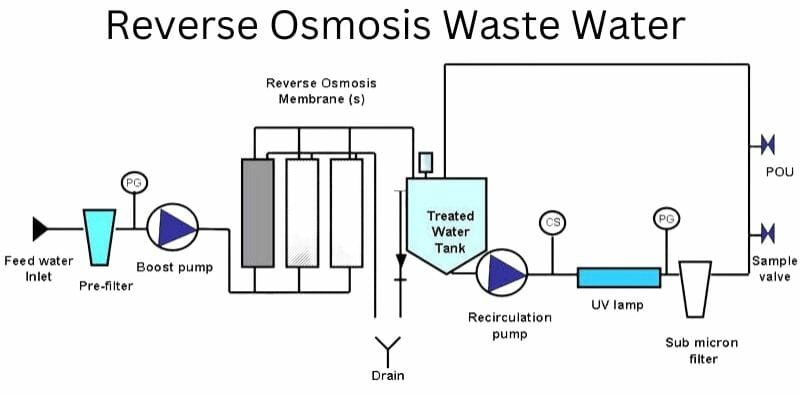
If you’re not into DIY bucket brigades, consider a zero-waste RO system. These recirculate the concentrate back through the system, using a pump to recover more water. They’re pricier upfront, but you’ll never have to hug a bucket again.
Why You Really Should Care (Without the Guilt)
The real reason to care about waste water isn’t to shame you—it’s to remind you that every drop has a story. In drought-prone areas, like California or Australia, that three gallons of waste feels more precious. But for most folks, the environmental impact of your morning glass of RO water is less than the water used to grow the almonds in your granola bar.
Also, consider the alternative: buying bottled water. A single plastic bottle requires about two gallons of water just to manufacture. Suddenly, your RO system’s waste water seems like a bargain. You’re actually saving water compared to the bottled water industry—plus you’re saving the planet from plastic.
 RO Water Waste: How Much Water Does Reverse Osmosis Waste?
So, the next time you see that little tube dripping, don’t frown. Give it a grin and think: “That’s the price of pure, delicious hydration.” And if you feel like being a hero, aim that tube at a thirsty houseplant. You’ll both be happier.
A Simple Rule of Thumb
If you want to minimize waste without overthinking, buy an RO system with a high recovery rating. Look for models that boast a 1:1 or even 2:1 ratio. They cost a bit more, but your water bill will thank you, and your carbon footprint will look like a delicate sandal print, not a monster truck tire.
Finally, remember: we all waste water in our own ways. Leaving the tap running while brushing? Guilty. Taking a 30-minute shower? Yep. The RO system is just one small piece of the puzzle. Be kind to yourself while being mindful.
So drink that pure water, laugh at the numbers, and maybe give your spider plant a little more love. The world keeps turning, and now you know: a little waste water is just the price of drinking like royalty—without the plastic crown.
