How To Test Well Water In Monroe Michigan

So, you’ve got well water in Monroe, Michigan. Lucky you! You’re drinking from the Earth’s own straw. But is it safe? Or is it hosting a secret party for minerals and microbes...

So, you’ve got well water in Monroe, Michigan. Lucky you! You’re drinking from the Earth’s own straw. But is it safe? Or is it hosting a secret party for minerals and microbes? Let’s find out.
The Great Monroe Water Mystery
Your tap water isn’t from a big city plant. It’s from your backyard. Every rain drop that soaks into Monroe’s soil becomes your glass of water. That’s wild, right?
But here’s the thing: that water picks up hitchhikers. Sand, calcium, iron. Sometimes bacteria. You need to know who’s crashing the party. Testing is the only way.
Must Read
Don’t worry. It’s easier than assembling IKEA furniture. Way less frustrating, too.
Step 1: The "Sniff and Swirl" Test (Just for Fun)
Before you get scientific, just look at your water. Pour a glass. Is it cloudy like a storm cloud? Smell it. Does it reek of rotten eggs? That’s likely sulfur or hydrogen sulfide. Not dangerous, but gross.
Notice a metallic taste? That’s iron. It can turn your white laundry orange. Your socks will look like mud-crusted potatoes. Not cute.
If your water smells like a swimming pool, you might have chlorine. But wait—you don’t add chlorine. That could mean your well is too close to a septic system. Uh oh.
Why Monroe is Special (and Why You Should Care)
Monroe sits on limestone and glacial deposits. That’s fancy talk for “very hard water.” Hard water isn’t dangerous. But it will wreck your coffee maker. And your hair will feel like straw.
Fun Fact: Monroe is near Lake Erie. And tributaries like the River Raisin. Your well water might be connected to that big, beautiful lake. Testing tells you if lake water is sneaking in.
Another quirky thing: Monroe County has a lot of old farms. Old farms mean old pesticides. And old septic tanks. Your water might be time-traveling through history. Better to test for that.
Step 2: Grab a Test Kit (The Real Deal)
Head to your local hardware store. Or the Monroe County Health Department. They sell test kits for about $30. Cheap peace of mind.
You can get a basic kit for bacteria and nitrates. Or a deluxe kit for lead, arsenic, and uranium. Yes, uranium can happen in Michigan. Don’t panic. It’s usually harmless at low levels.
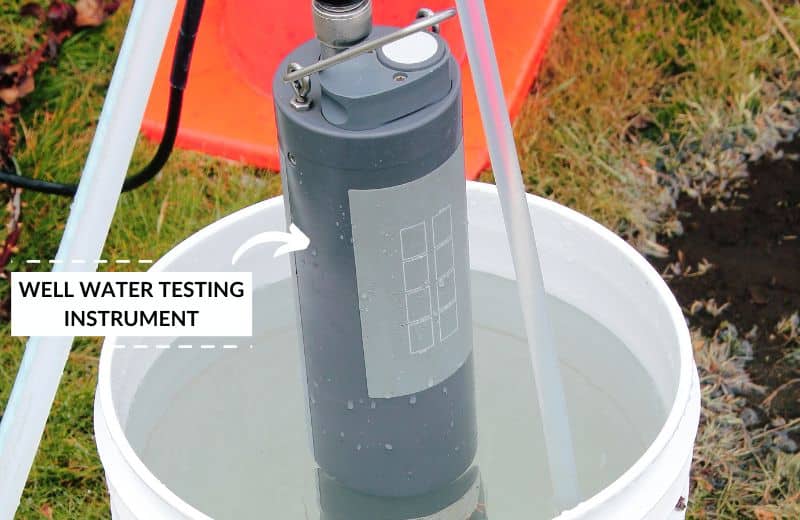 Private Well Water Systems | Water Filter Guru
The kit comes with sterile bottles. Don’t touch the inside of the bottle cap. That’s the cardinal sin of water testing. One fingerprint = contaminated sample.
How to Collect Your Sample (No Drama)
Wait until morning. Don’t drink any water for 12 hours. Seriously. Let the water sit in the pipes overnight. That’s when the scary stuff settles.
Turn on the cold faucet. Let it run for 2-3 minutes. Then fill the bottle to the fill line. Screw the cap on tight. And don’t cough near it.
Pro tip: don’t let the bottle touch the faucet. You want pure, virgin well water. Not faucet germs.
Step 3: Mail It or Drop It Off
You can mail the sample to a lab. Or drive it to the Monroe City Health Department on South Monroe Street. They love getting water samples. It’s their version of fan mail.
Most labs give you results in 3-5 days. That’s the suspenseful part. You’ll check your email like it’s a lottery ticket.
Results come with numbers. Don’t be scared. They also include “safe limits.” If your number is below that, you’re golden. If it’s above, you get to become a water detective.
What if Your Water Fails? (It’s Not the End of the World)
High bacteria? That’s fixable. Shock chlorinate your well. It’s like giving your well a bubble bath. You pour bleach down the casing. Let it sit. Then flush it out.
High lead or arsenic? You might need a filter. A reverse osmosis system. Or a whole-house filter. It sounds fancy, but it’s just a big Brita.
 Michigan Well Water Testing Guide (2026) | Septic & Well Pro
Hard water? Get a water softener. Your coffee maker will thank you. Your hair will thank you. Your stainless steel sink will shine like a mirror.
When to Test (The Calendar Rule)
Test your well water every year. Do it in spring or fall. After heavy rain, too. Rain washes stuff into your well.
Also test if you taste a change. Or if you have a baby. Babies are tiny, picky water critics. They deserve the best.
And test if you dig a new well. Or repair an old one. You wouldn’t drink from a pool without testing. Same logic.
The Quirky Joy of Testing
Here’s why this topic is fun: you become a home scientist. You collect samples. You analyze results. You talk about coliform bacteria at dinner parties. Your friends will think you’re brilliant.
Plus, Monroe has a secret water history. Did you know the River Raisin once powered mills? Your water might have touched old mill wheels. Romantic, right?
Testing connects you to the Earth. You’re monitoring a tiny slice of the water cycle. That’s cosmic. And you’re doing it from your kitchen sink.
Final Tip: Make It a Family Event
Get the kids involved. Let them hold the sterile bottle. Tell them they’re “water wizards.” They’ll love it. You’ll love it.
Turn on some music. Make it a ritual. “Testing Day” is like a holiday. A slightly boring holiday, but a memorable one.
And when your results come back clean? Celebrate. You’re a well water guardian. A true Monroe hero. Now go drink a glass of your safe, delicious, backyard water. You earned it.
