Does A Brita Filter Remove Microplastics

Let’s be real: “microplastics” sounds like a villains-from-a-1980s-sci-fi-movie kind of problem. But they’re very much our problem, floating around in our tap water like tiny,...

Let’s be real: “microplastics” sounds like a villains-from-a-1980s-sci-fi-movie kind of problem. But they’re very much our problem, floating around in our tap water like tiny, invisible confetti. You might be staring at your trusty Brita pitcher right now, wondering if it’s actually saving you from that plastic party. Grab your water bottle, friend—we’re about to dive in.
The Short Answer: It’s Complicated (But Not Grim)
So, does a Brita filter remove microplastics? The official word from Brita is that their standard carbon filters are not designed to remove microplastics. They’re the superheroes of taste and chlorine reduction, not plastic-particle capture.
But wait—don’t toss your filter in the recycling bin just yet. Some independent studies suggest that standard filters can catch some larger microplastic fragments, like bits of fiber from clothing. It’s not a guaranteed win, but it’s better than nothing.
Must Read
Meet the New Kid: The Brita Longlast+ Filter
Here’s where things get fun. Brita offers a Longlast+ filter, and it’s a bit of a game-changer. This bad boy is certified to reduce microplastics by up to 99% in your water. Yes, you read that right—99%!
It uses a blend of activated carbon and ion exchange resin, plus a non-woven mesh that physically traps those tiny plastic particles. That’s the secret sauce. So if you’re hunting for microplastic removal, check your filter model—the Longlast+ is your golden ticket.
But Hold On—There’s a Plot Twist
Even if you buy the right filter, you still need to change it on time. Overused filters become little bacterial breeding grounds, and they can actually release particles back into your water. Yikes. Set a reminder on your phone—your taste buds and your gut will thank you.
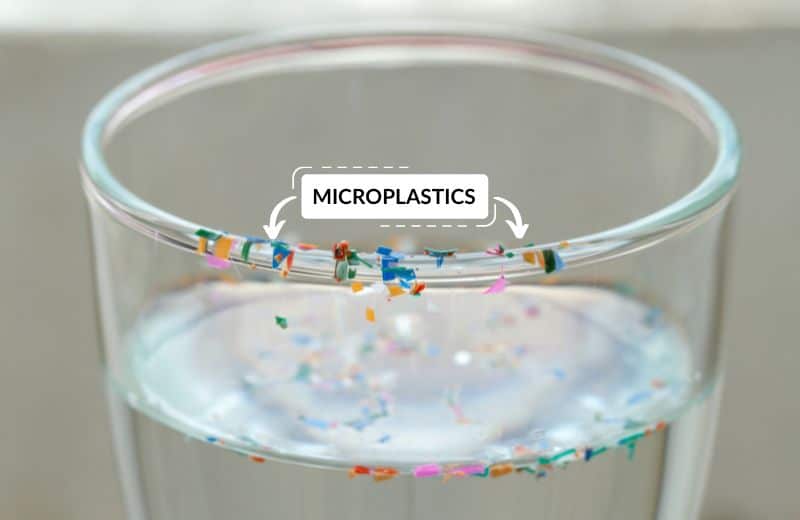 Will A Brita Filter Remove Microplastics at Jeremy Tellez blog
Also, keep in mind that a Brita isn’t a magical force field. Microplastics are everywhere: in dust, in the air, and even in your salt shaker. Filtering your water is a fantastic step, but it’s not a complete plastic-free life—and that’s okay.
Why This Should Make You Excited, Not Anxious
Here’s the inspiring part: you now have agency. You can choose a filter that actually tackles microplastics. You can become the kind of person who reads the fine print on a water pitcher and wins at the game of modern living.
Plus, once you swap to a Longlast+ filter, you’re reducing the number of plastic water bottles you’d otherwise buy. That’s a double victory: fewer microplastics in your body, and fewer whole plastics in the ocean. You hero, you.
But What About the Science Nerds Among Us?
If you’re really curious, you can geek out over a study from the University of New South Wales that showed Brita filters removed about 95% of microplastic fibers. Not perfect, but a massive improvement over straight tap water. And for the “hard-core” filter fans, there’s always reverse osmosis or distillation—but those systems are pricier and require more upkeep.
 I Tested 2 Brita Filters for Microplastics – Microplastic and PFAS-Free
For most of us, a Brita is a delightful middle ground. It’s affordable, it’s easy, and it makes water taste like it came from a mountain spring—or at least from a fancy airport lounge.
The Uplifting Finale: You’re Already Winning
The fact that you’re even reading this article means you’re thinking about your health and the planet. That’s a big deal. Most people never wonder where their water filter fails or excels—they just use it and hope.
You, my friend, are now armed with knowledge. You can pick the right filter, enjoy crisp delicious water, and pat yourself on the back for outsmarting invisible plastic sneaks. So go ahead—fill up your pitcher, take a sip, and smile. You’re not just hydrating; you’re evolving.
And if you want to dig deeper? Look into starting a “plastic audit” of your kitchen, or try a reusable stainless steel bottle next. The journey from curious to inspired is only one filter change away. Cheers to that!
