How Much Does Drilling A Water Well Cost

There’s a certain romance to the idea of having your own water well. It’s the ultimate off-grid flex, a middle finger to the municipal water bill, and a steady supply of H2O t...
There’s a certain romance to the idea of having your own water well. It’s the ultimate off-grid flex, a middle finger to the municipal water bill, and a steady supply of H2O that tastes like mountain springs. But before you channel your inner Tesla (the inventor, not the car), you’ll need to talk dollars and cents.
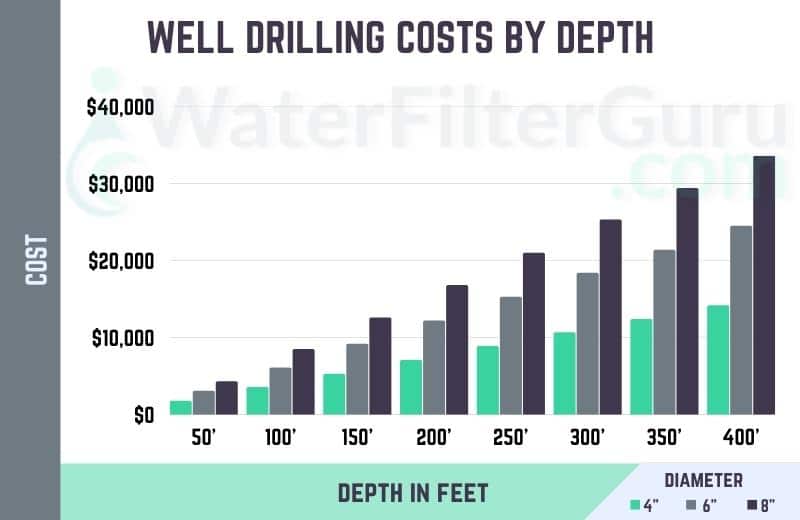
The short answer is: drilling a water well typically costs between $3,500 and $15,000. But let’s be real—that’s like saying a vacation costs between a weekend in a cabin and a month in the Maldives. The final price tag depends on depth, geology, and local regulations.
Think of your property as a stubborn teenager: it won’t reveal its secrets easily. A shallow well in sandy soil might run you $5,000 for 100 feet, while a deep bore through tough rock in New England can hit $30,000 or more. That’s the price of a used sedan—or a very good kitchen renovation.
Must Read
The Deep Dive: What You’re Actually Paying For
First, you pay for the drill rig and the crew. These aren’t your neighbor’s DIY auger. We’re talking 40-foot-tall machines that cost $500 an hour to run, and the crew is a mix of hydraulic wizards and mud-wranglers.
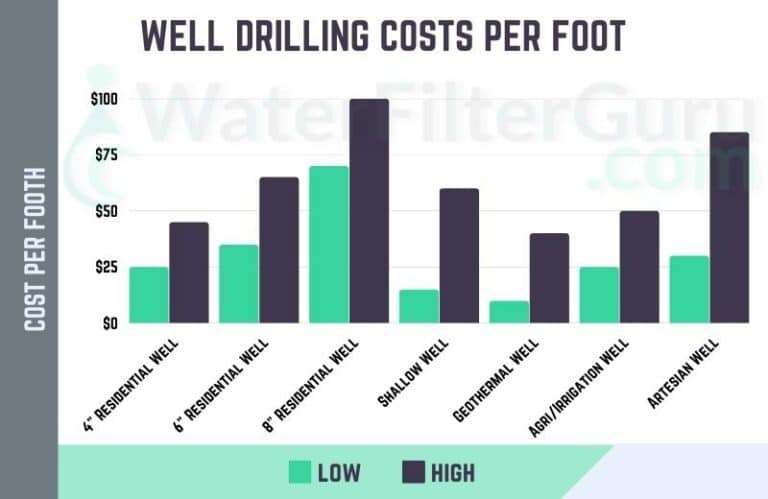
Then there’s the casing—the steel or PVC pipe that prevents your well from collapsing like a cheap party streamer. Expect to spend $20 to $40 per foot just for the casing, and yes, deeper wells mean more pipe, more money.
Don’t forget the pump, pressure tank, and electrical wiring. This “finishing” package—called the well completion—can add $1,500 to $3,000. It’s the difference between a hole in the ground and a working shower.
Location, Location, Location (And Rock, Rock, Rock)
If you live in the Texas Panhandle, you might hit water at 60 feet. In the Rocky Mountains, you’ll be drilling through granite for 400 feet. Geology is the moody artist of this project—and it always charges extra for drama.
A fun fact: the world’s deepest well is the Kola Superdeep Borehole in Russia, drilled to 40,230 feet. It cost billions, they found no gold, and the rocks at the bottom boiled at 356°F. You’ll have a much better time with your 200-foot well.
Local permits also matter. Some counties in California require a hydrogeological study that can cost $2,000 before you even scratch the dirt. Check your town’s rules first—or risk a fine that tastes worse than sulfur water.
Practical Tips to Keep Your Wallet Full
Get at least three quotes. Drillers are like barbers—some are expensive artists, others are cheap hacks. Ask for references and check if they’re licensed in your state.
 2025 Well Drilling Costs | Average Water Well Installation Cost
Ask about “per-foot pricing” vs. “all-in” bids. A low per-foot price might hide fees for casing, gravel pack, or mobilization (getting the rig to your site). Read the fine print like you’re signing a record deal.
Consider sharing the cost with a neighbor. In rural areas, two houses can split a single deep well and run separate lines. It’s like a water co-op, minus the awkward potlucks.
Don’t skip the water quality test. That clean-looking water might have arsenic, iron, or bacteria—and a treatment system costs $1,000 to $5,000. Better to know before you fill your Brita.
Cultural References and Quirky Deep Cuts
Remember the Oklahoma Land Rush of 1889? Settlers literally fought over water sources. You’re just paying a professional to find it—a massive upgrade in dignity.
The word “well” comes from Old English wella, meaning “to boil up.” It’s a lovely word, but your bank account won’t feel bubbly if you hit a dry hole. That’s why drillers call it “drilling a wildcat.” It’s a gamble.
Fun fact: the world’s most expensive water—$100,000 per bottle (looking at you, Acqua di Cristallo)—comes from Fiji and France. Your well might cost less than a single bottle of that overpriced bling.
The Hidden Costs (No, Really, They’re Hidden)
You’ll need a water system permit, often $200–$600. Some states require you to cap the well if you abandon it later—another few hundred dollars. Plan for it today, or pay for it when you sell the house.
 How Much Does a Well Cost? (2024 Well Drilling Cost Guide)
Electricity to run the pump adds about $50–$100 per month in average use. That’s less than a streaming service subscription, but it’s not free, so budget accordingly.
And don’t forget maintenance: a well lasts 30–50 years, but the pump needs service every 10. That’s like owning a car that never needs a wash but occasionally demands a $800 engine swap.
Is It Worth It? Let’s Do the Math
If your municipal water bill is $80 per month, you’ll spend $28,800 over 30 years. A well costing $12,000 plus $5,000 in pump and repairs saves you $11,800. You basically earn a small vacation home in your backyard.
But if your well hits $35,000 due to deep rock or bad luck, it might take 40 years to break even. That’s why you ask drillers for a rock guarantee—some will cap the price if they hit unexpected granite.
Also, consider the resale value: a working well can add $5,000–$10,000 to a rural property’s price. It’s a hidden feature, like a secret room, but one that actually works.
A Quick Reflection for the Modern Life
In a world where we text instead of talk, and order groceries with a thumb tap, drilling a well feels almost primal. You’re gambling on the earth, trusting ancient aquifers, and committing to a long-term relationship with a hole in your yard.
But when the work is done, and you pour a glass of that cold, clean water from your well—no chlorine, no monthly bill, no waiting for a pipe to burst—you’ll feel a quiet satisfaction. It’s not just water; it’s independence.
So yes, the cost is real. But so is the joy of knowing that, in a small way, you’ve hacked the system. And that’s worth every penny, even if you have to skip the Maldives for a few more years.
