How To Tell If Water Softener Is Working

So, you’ve joined the club. You bought a water softener, that magical box of salt and science, expecting silky hair and dishes that don’t look like a Jackson Pollock of minera...

So, you’ve joined the club. You bought a water softener, that magical box of salt and science, expecting silky hair and dishes that don’t look like a Jackson Pollock of mineral deposits. But now, you’re staring at it, wondering if it’s actually doing anything, or if your pipes are just holding a very expensive beauty salon for themselves. Fear not, fellow detective of domestic plumbing. I’m here to help you spot a working softener faster than you can say “spotless glassware.”
The Soap Test: Your Hands Know the Truth
First, let’s talk about your hands. Hard water is a cheapskate with soap—it won’t let it lather. If you’re scrubbing your palms and it feels like you’re rubbing chalk on a lizard, you’ve got hard water. Working soft water, by contrast, turns soap into a slippery, cloud-like avalanche of suds.
Try this: wash your hands normally, then rinse. Do they feel a little… squeaky? Like a clean window? That’s good! That squeaky clean feeling means the soap rinsed away completely, not stuck to minerals on your skin. If your hands feel like you just wrestled a dish sponge, your softener might be napping on the job.
Fun fact: one study showed that soft water can reduce your soap usage by up to 50%. That’s half the money you’d spend on fancy foaming pump bottles. Your wallet will thank you, even if your landlord doesn’t.
Must Read
The Glassware Glow-Up
Hard water leaves spots. Not cute beauty marks—evil, crusty white circles that make your wine glasses look like they have a bad case of dandruff. If your glasses dry with a crystal-clear, streak-free shine, your softener is laughing at those spots.
Grab a glass from your cabinet. Hold it up to the light. If it looks like a prop from a sci-fi movie where everything is clean, you’re golden. But if you see hazy film that resists even soapy elbow grease? Your softener might be on strike. Pro tip: don’t lick the glass to test it. Just don’t.
Speaking of surprises: the average American household with hard water spends about $2,500 more per decade on appliance repairs and detergent. That’s like buying a new washing machine every five years just to wash your socks. A working softener is the financial superhero you didn’t know you hired.
The Shower Horror Show (Or Lack Thereof)
Remember that feeling of stepping out of a shower and immediately turning into a human husk? Dry, itchy skin that screams for lotion? That’s hard water stripping your natural oils like a bad breakup. Soft water leaves your skin feeling like you bathed in a cloud of moisturizer.
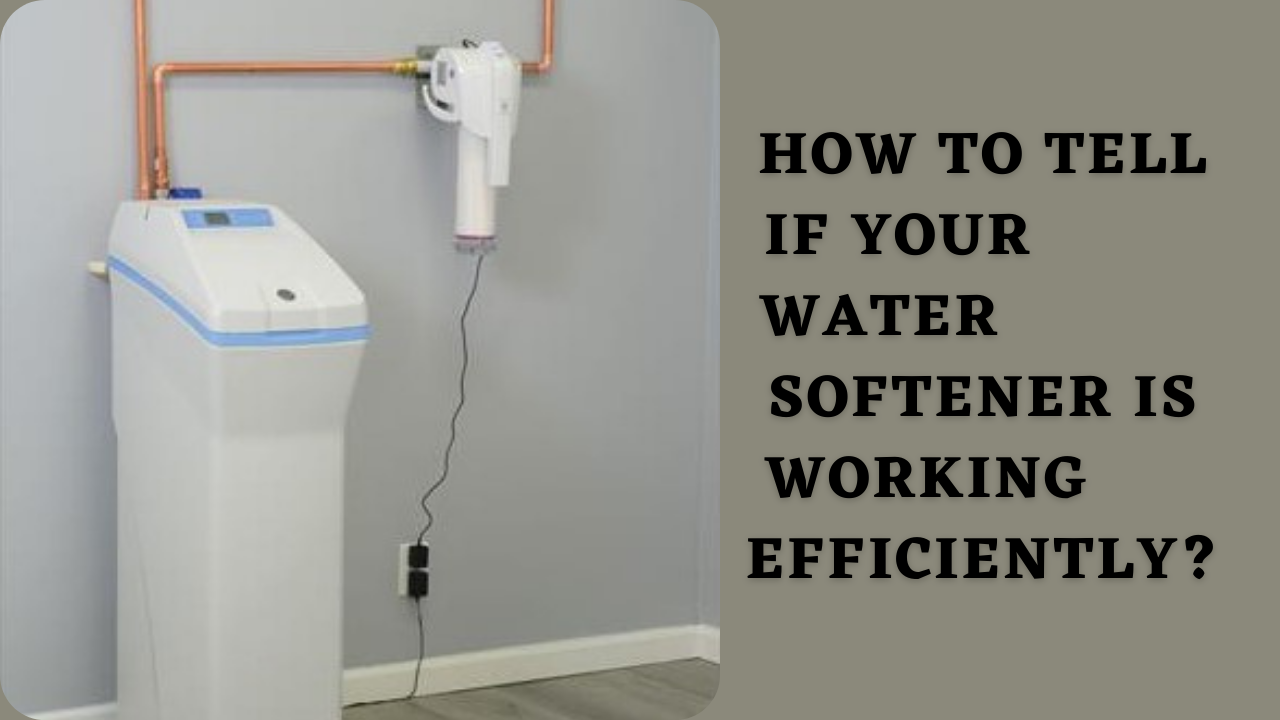 How To Tell If Your Water Softener Is Working Efficiently? (Easy to
If your hair goes from haystack to silk sheet without a $40 conditioner, give your softener a high-five. A friend of mine once said her hair “felt like a baby alpaca’s butt.” I’ll take that as a compliment. But if you’re still scratching like a bear with fleas, your system might be bypassed.
Wild fact: soft water can actually help eczema and psoriasis sufferers. One dermatologist told me he moved to a soft-water city just for his skin. I’m not saying your softener is a miracle cure, but it’s cheaper than a trip to the spa.
The Physical Inspection: Get Your Hands Dirty
Okay, time to get technical. Pop open that brine tank like you’re inspecting a treasure chest. You should see salt, not a solid block of “salt-cement”. If it looks like a giant, crusty rock cake, your salt has “bridged” and stopped dissolving. Break it up with a broom handle (yes, your vacuum cleaner stick works too).
Check the display or timer. If it says “regeneration” at 2 AM, it’s probably working. If the display is blank and you hear crickets, your machine might be dead. Try unplugging it and plugging it back in—the old “IT Crowd” fix. Everyone stares at me when I suggest this, but it works 30% of the time.
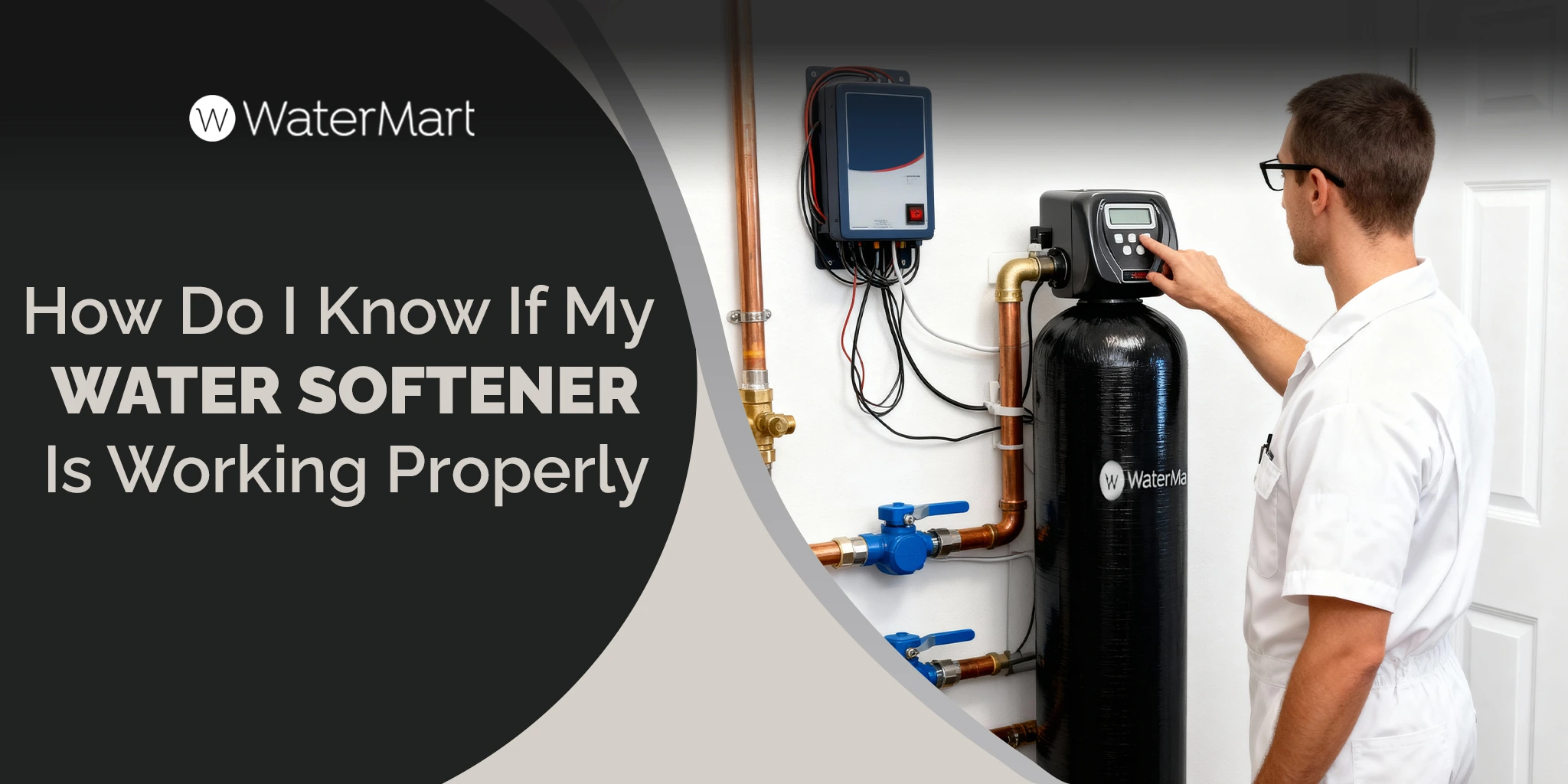 How do I know if my water softener is working properly?
One more test: fill a bucket with water, add a few drops of dish soap, and shake it. If it creates a huge, fluffy mountain of foam, your softener is MVP. If it looks like a sad puddle with a few bubbles, you need to call a plumber—or apologize to your softener for ignoring it.
When to Give Up and Call a Pro
Sometimes, despite your sleuthing, the softener is just a fancy salt-eating paperweight. If your water tastes metallic, or you see rust stains in your toilet, your resin beads might be exhausted. That’s the “guts” of the system, and they need replacing about every 10 years.
Another red flag: you hear weird gurgling or hissing during the day when it shouldn’t be running. That could be a stuck valve, and you don’t want to DIY that unless you enjoy flooding your basement. Just remember: a working softener makes zero noise during the day. It regenerates at night, like a water ninja.
Finally, trust your gut. If your laundry smells like a wet dog even after using half a bottle of detergent, your softener has failed you. But if your towels feel fluffy and your soap lathers like a competition barista’s milk foam, you’re living the soft life. Congratulations: you have now earned a PhD in “Is My Water Softener Working?” Now go enjoy a spotless glass of water, and maybe pour one out for your hard-water-using neighbors.
