How Does Water Get Into An Aquifer

Picture this: You’re standing in a random field. It’s just dirt, grass, and maybe a bored cow. But beneath your feet? A secret ocean. A hidden water park. We’re talking about...
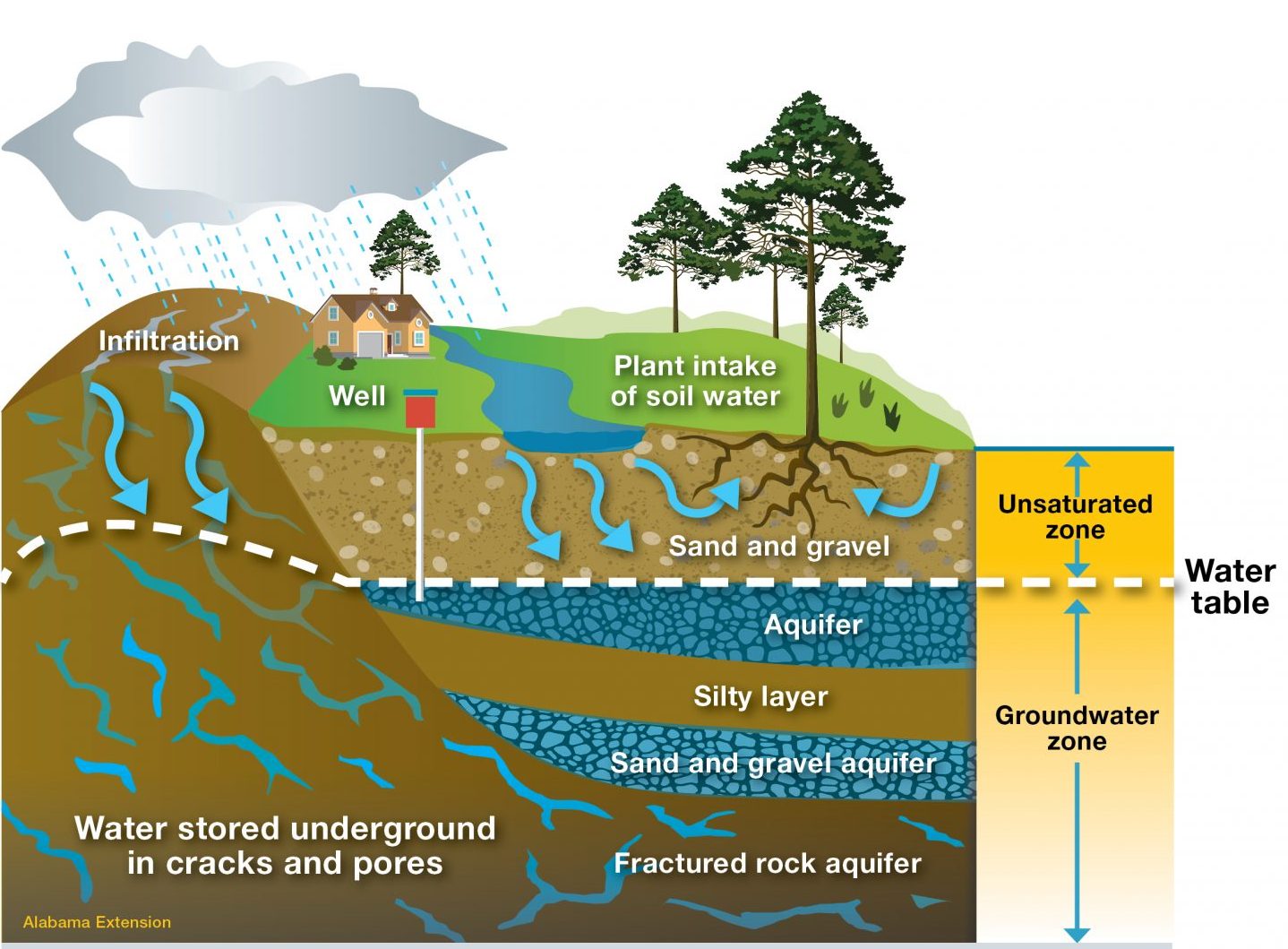
Picture this: You’re standing in a random field. It’s just dirt, grass, and maybe a bored cow. But beneath your feet? A secret ocean. A hidden water park. We’re talking about an aquifer—nature’s underground storage tank. So, how does water actually get in there? It’s not magic, but it’s close.
The Great Escape: Rain’s Secret Mission
It all starts with rain. That splashy, drippy, sometimes annoying stuff from the sky. When rain hits the ground, it has a choice: run off into a river, evaporate into a cloud, or infiltrate—that’s the fancy word for sneaking underground. Infiltration is the star of our show. It’s like water playing hide-and-seek with the sun.
But rain doesn’t just vanish. It falls on soil, sand, or cracks in rock. If the ground is dry and loose, the water gulps it down like a thirsty sponge. Think of a dry lawn after a storm—how the puddles disappear fast. That’s water starting its journey.
Must Read
Fun fact: One inch of rain can add thousands of gallons to an aquifer. That’s enough to fill a swimming pool—or give your lawn a very weird, underground shower.
The Underground Highway: Gravity Takes the Wheel
Once water enters the soil, gravity yells, “Keep going!” Water drips down through tiny pores—gaps between sand, gravel, or rock. These pores are like microscopic elevators. The bigger the pores, the faster the ride. Gravel acts like a water slide; clay is like a traffic jam.
This zone where water moves is called the unsaturated zone. It’s not full; there’s still air between the particles. Think of a half-full coffee filter—messy, but working. Water wiggles past roots, bugs, and pebbles. It’s a slow-motion adventure.
How slow? A single raindrop might take days, weeks, or even centuries to reach the deep aquifer. Yes, centuries. That’s like you ordering a pizza and getting it delivered to your great-great-grandkids. Patience, little drop.
The Big Pool: Where Water Finally Chills
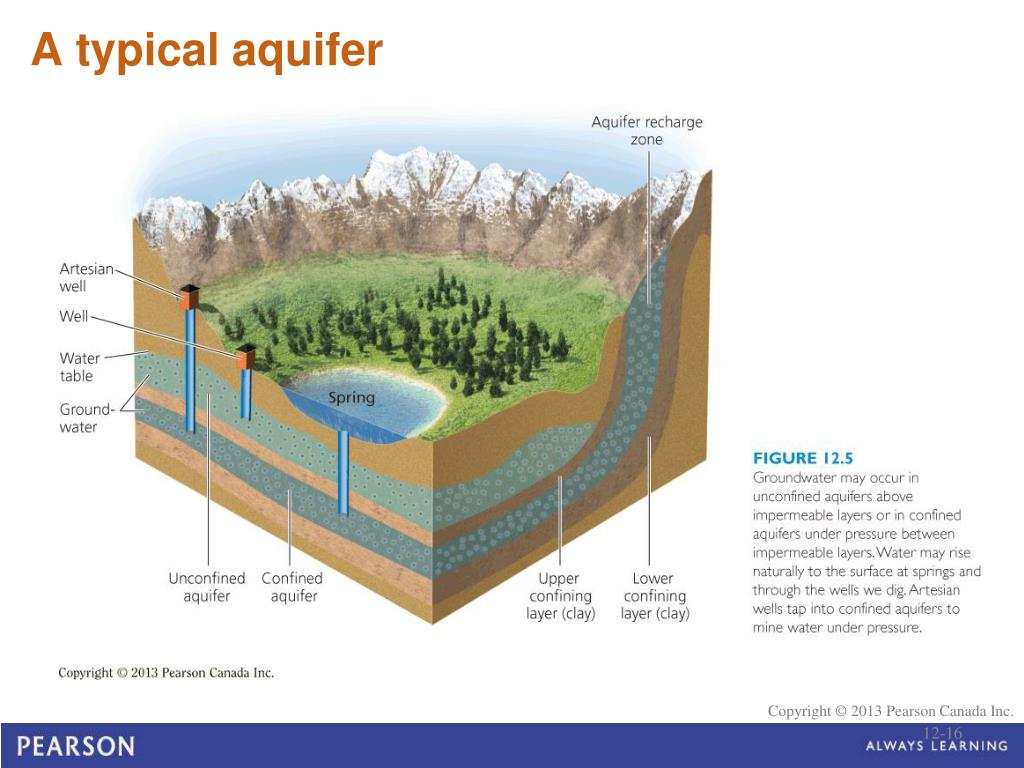
Eventually, water hits a layer it can’t pass. This is usually bedrock or dense clay—a no-entry sign. Water pools up, filling all the pores below. Now it’s in the saturated zone. Congratulations, drop: you’ve joined the aquifer!
 PPT - Understanding Freshwater Systems and Their Importance PowerPoint
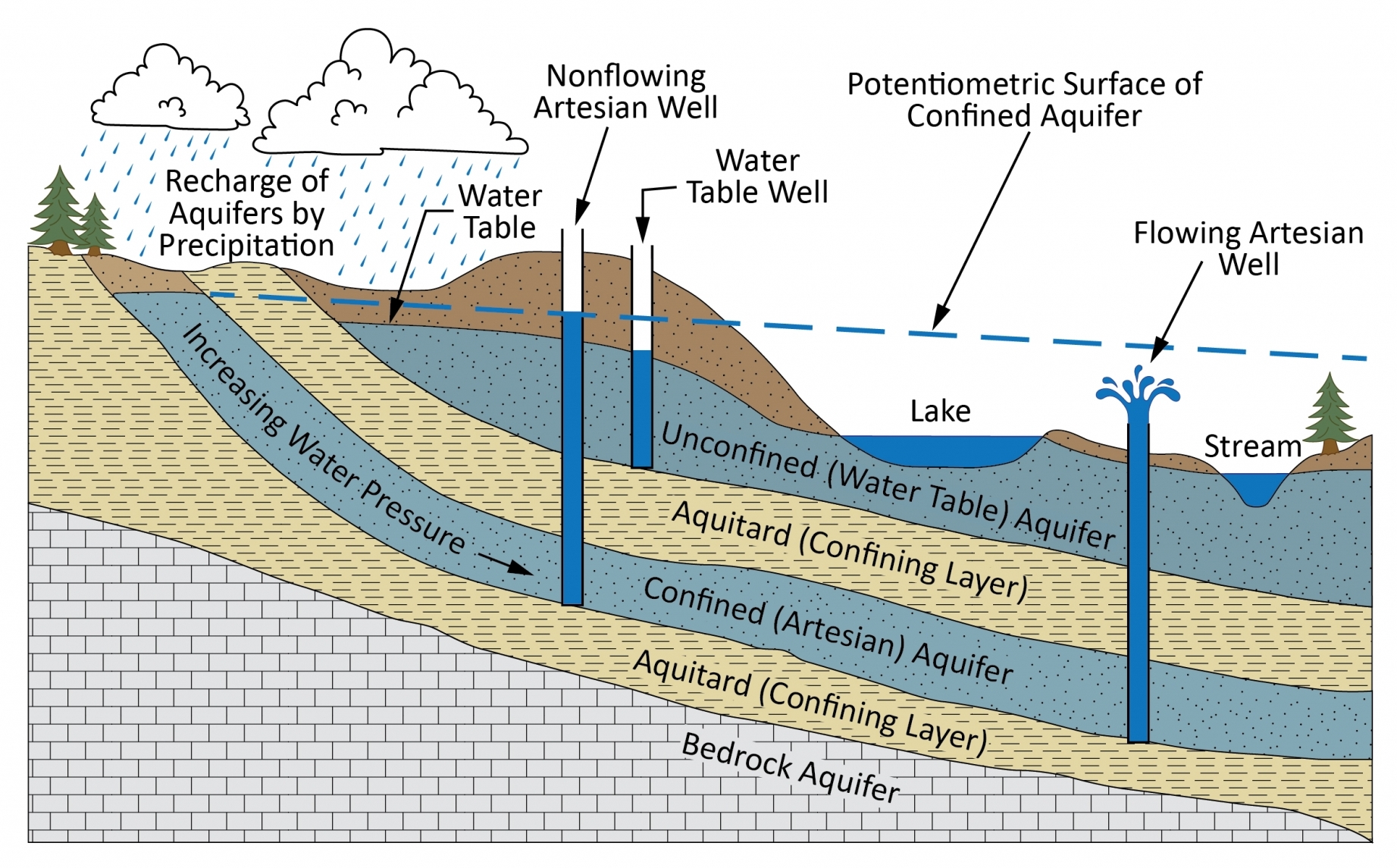
An aquifer isn’t a giant lake underground. It’s more like a soaked sponge. You can squeeze it, but you can’t see the water until you drill a well. The top of this soaked layer is the water table. It rises and falls like a slow, sleepy breath.
Quirky fact: Some aquifers are so huge, they cross state lines. The Ogallala Aquifer in the US holds enough water to cover all 50 states in 1.5 feet of water. That’s a lot of wet America.
The Recharge Party: Who’s Invited?
Water gets in through recharge—nature’s refill process. Rain is the VIP guest. But snowmelt is the sneaky plus-one. When snow melts slowly, it trickles in like a gentle, icy kiss. Rivers and lakes also crash the party: they leak into the ground along their edges.
Humans join in, too. Farmers irrigate crops, and extra water seeps down. Leaky pipes? That’s a clumsy but effective guest. Even your sprinkler runoff might be helping an aquifer somewhere. You’re a groundwater influencer!
But not all water makes it. Some gets sucked up by plants (nature’s straws) or evaporates. It’s a tough audition. Only the best, cleanest, slowest water gets the aquifer gig.
The Funny Stuff: Sand, Time, and Dino-Water
Here’s the kicker: The water you drink from a well might be older than the cow it came from. Some aquifer water is 10,000 years old—from the last Ice Age. That’s “fossil water.” Imagine sipping a glass of melted mammoth sweat. Gross? Cool? Both.
 Hydrology
And sand? It’s a natural filter. As water seeps through sand, it leaves behind dirt, bugs, and yuck. By the time it hits the aquifer, it’s often cleaner than bottled water. No plastic needed.
Why is this fun? Because you’re always standing on a secret reservoir. Next time it rains, look at a puddle and whisper, “Go, little drop. Find the party.” You’ll never see a storm the same way again.
The Slow Motion Miracle
Water gets into an aquifer with zero rush. It’s not a firehose. It’s a drip-by-drip masterpiece. One inch of rain might take a year to travel 50 feet down. That’s slower than a sloth on a coffee break.
But that slowness is key. It gives the ground time to clean the water. It keeps aquifers full for decades. Without this gentle recharge, we’d run dry fast. So next time you turn on the tap, thank a raindrop from the 1800s.
Fun final fact: There’s 100 times more water in aquifers than in all the world’s rivers and lakes. We’re just scratching the surface. Literally.
So go ahead. Jump in a puddle. You’re helping science. And remember: every time you drink water, you’re sipping a story that started in the sky, moved through dirt, and took a very, very long nap underground. Cheers to aquifers—the planet’s chillest water storage.
