How Much Water To Drink Per Day Oz

Let’s be honest: the “eight glasses a day” rule is practically a cultural meme by now. You’ve heard it at brunch, seen it on your friend’s Stanley cup, and probably felt a lit...
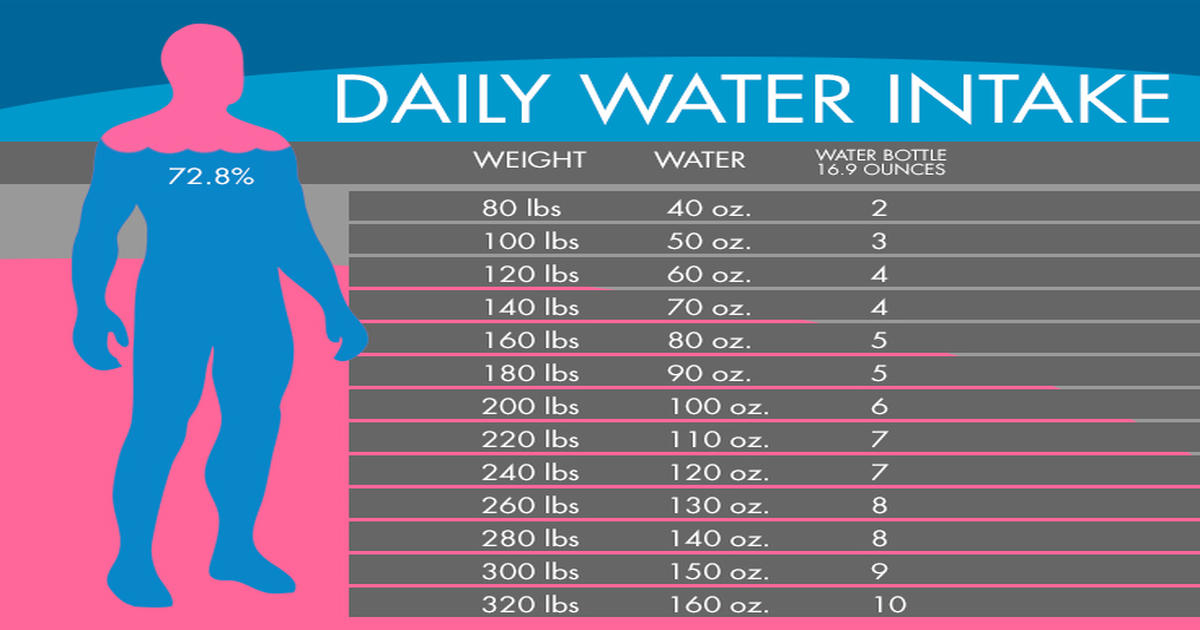
Let’s be honest: the “eight glasses a day” rule is practically a cultural meme by now. You’ve heard it at brunch, seen it on your friend’s Stanley cup, and probably felt a little guilty when you’re only on cup number two by noon. But here’s the thing—that number is a neat, tidy little myth, not a medical commandment.
So, how much water in ounces do you actually need? The real answer is far more interesting and, thankfully, far more flexible than any one-size-fits-all rule. Let’s ditch the rigid math and get into the kind of hydration advice that actually fits your life.
Forget the Eight-Glass Empire
The long-standing “8x8” rule—eight 8-ounce glasses, or 64 ounces total—came from nowhere specific. A 2002 study traced it back to a vague 1945 recommendation that we need about one milliliter of water per calorie of food. That’s zero science, just a good guess that got repeated until it felt like law.
Must Read
The National Academies of Sciences, Engineering, and Medicine offer a smarter baseline. For women, they suggest about 91 ounces total per day (from all fluids and food), and for men, roughly 125 ounces. That sounds like a lot, right? Breathe—that includes the water in your coffee, your soup, and that juicy peach.
Your actual target in ounces is like a personalized playlist, not a radio hit. Listen to your body first: thirst is your built-in app, and it’s free. If you’re peeing the color of pale lemonade, you’re golden. Darker? Time to refill.
The Real-World Math Game
Let’s break it down into something you can text to a friend. A good rule of thumb for daily water ounces is to take your body weight in pounds and divide it by two. That number is your baseline in ounces. So, a 150-pound person aims for about 75 ounces—right in that sweet spot.
Now, adjust for your vibe. If you just crushed a hot yoga class or ran a 5K in the August sun, add 12 to 16 ounces for every hour of exercise. Sweat isn’t just your body’s air conditioning—it’s a mineral-water rental fee you have to pay back.
Living in a dry climate or at a high altitude? Your lungs are literally breathing out moisture. That means you need an extra 8 to 16 ounces per day, minimum. Think of it as the rent for living in an arid paradise.
Don’t Forget the Edible Water
Here’s a fun fact that will change your snack game: about 20% to 30% of your daily fluid intake comes from food. Watermelon is 92% water. Cucumbers are 96%. A bowl of overnight oats? That’s stealth hydration wearing a delicious disguise.
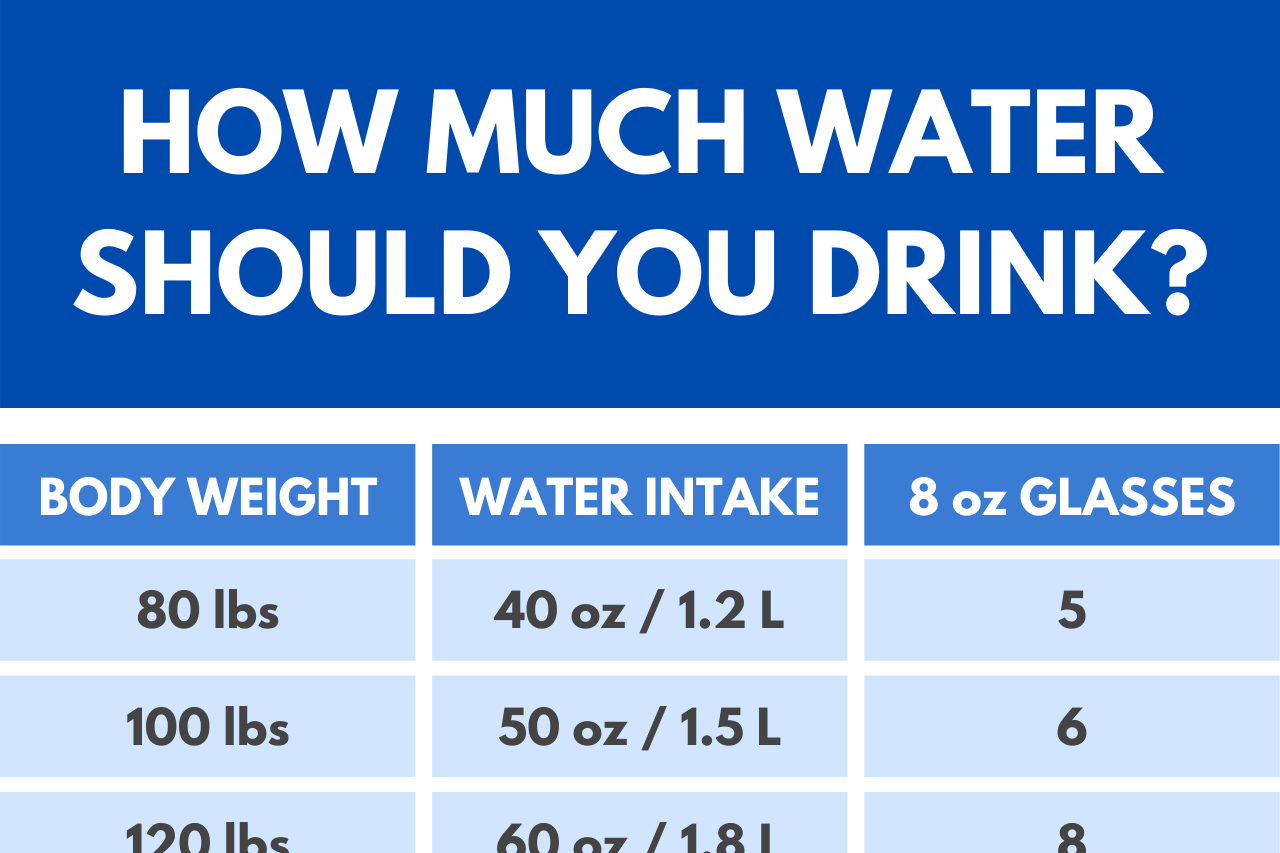 Water Intake Calculator - How Much Water Should You Drink?
Your morning coffee counts, too. The old myth that caffeine dehydrates you has been debunked by modern research. Unless you’re downing six espresso shots, that latte is adding to your total ounces. Same with tea, milk, and even that can of sparkling water.
So if you’re feeling pressure to chug plain tap water all day, relax. A hydrating lifestyle includes broth, smoothies, and yes—even a little seltzer. It’s about volume, not purity.
Cultural Sips and Rituals
Think about how different cultures hydrate without obsessing over ounces. In Japan, mizu is served in small, constant sips throughout a meal. In Italy, they don’t carry giant jugs—they rely on espresso and mineral water. The point? Consistency beats gulping.
Try this: keep a 24-ounce glass bottle on your desk. Fill it twice—morning and afternoon—and you’ve hit 48 ounces without counting. Then let your food and tea handle the rest. That’s a no-fuss system that works for busy humans.
And here’s a little trick from the influencer world: add a pinch of salt and a squeeze of lemon to your water. It mimics an electrolyte drink without the sugar. Your body absorbs it faster, and it tastes like a spa day.
The Signs You’re Actually Thirsty (vs. Bored)
We often confuse thirst with hunger, fatigue, or even boredom. Next time you open the fridge, ask yourself: Am I thirsty, or am I just looking for a pause? A quick glass of water—around 8 ounces—can reset that decision.
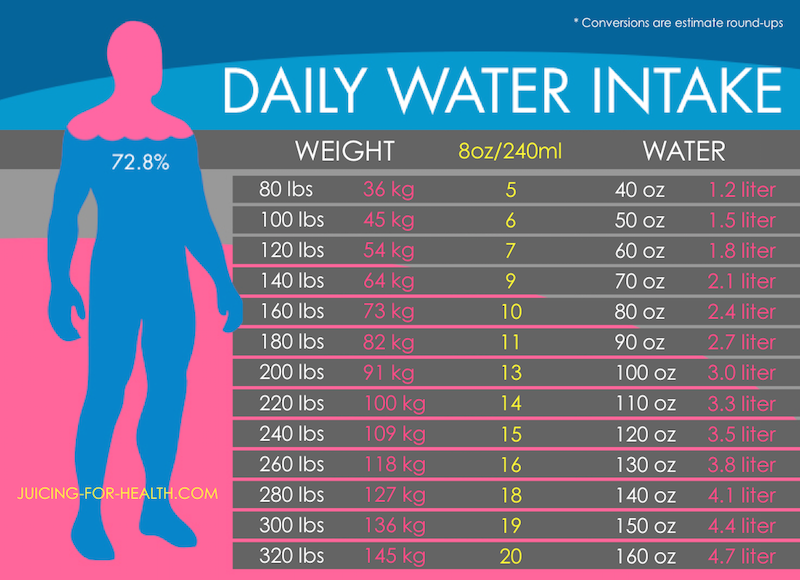 Ounces Of Water
Headaches, dry lips, and that midday fog are your car’s dashboard warning lights for dehydration. Drink up, and you’ll feel sharper in about 20 minutes. It’s the cheapest productivity hack you own.
But please—do not drown yourself. Drinking too much water too fast can flush out sodium and cause hyponatremia, which is rare but real. The goal is steady flow, not a flood.
A Quick Oz Cheat Sheet
- Morning ritual: 12 oz water (with lemon, if you’re fancy).
- After coffee: 8 oz to balance the diuretic effect.
- Per hour of exercise: 12-16 oz extra.
- Daily food water: ~20-30 oz from meals.
- Target total (for most): 64-100 oz.
Don’t aim for perfection. Aim for awareness. If you hit around 80 ounces from all sources—food, coffee, tea, and plain water—you’re in the Goldilocks zone. Not too little, not too much.
The Gentle Final Pour
Water isn’t a chore to be completed. It’s the background rhythm of your cells—quiet, constant, and absolutely essential. The next time you lift a glass, don’t think about an ounce target. Think about what your day asked of you.
Did you talk a lot, walk far, or sweat under the sun? Then your body probably wants a few extra sips. Did you eat a water-rich salad and sip herbal tea? You’re already ahead. That’s the easy-going truth.
So keep a pretty bottle nearby, notice when your mouth feels sticky, and trust that your body knows what it needs. Drink to feel good, not to check a box. And if you forget? Tomorrow is another glass of water, another chance to listen.
