What Does Chlorine Do To The Body

So, you’ve just cannonballed into a pool, gotten a face-full of that signature “pool smell,” and now you’re wondering: what exactly is chlorine doing to your body besides maki...
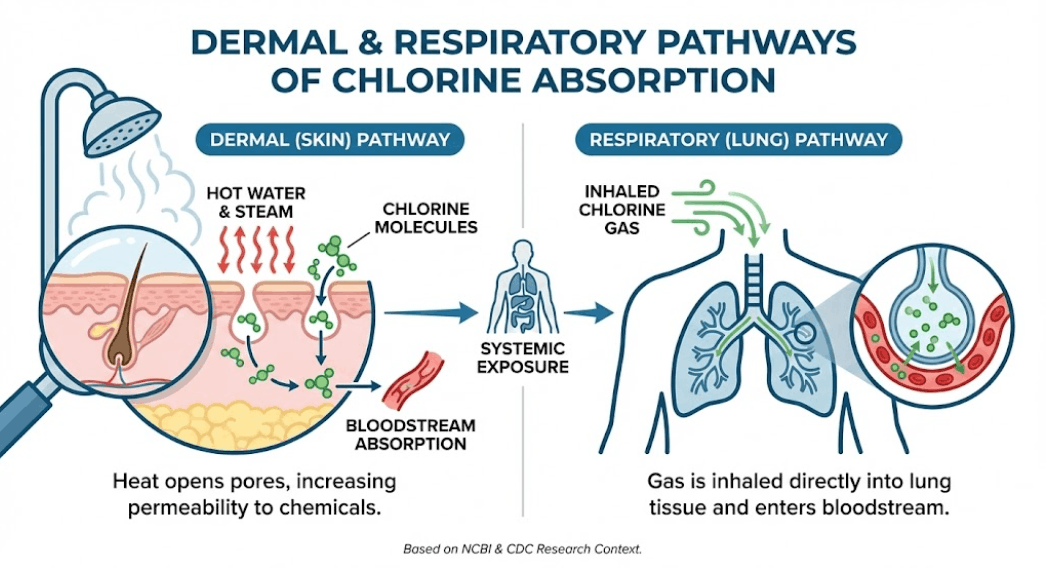
So, you’ve just cannonballed into a pool, gotten a face-full of that signature “pool smell,” and now you’re wondering: what exactly is chlorine doing to your body besides making your eyes look like a tomato’s angry cousin? Grab a towel and a snack, because we’re about to dive into the chemical party happening on your skin, in your lungs, and yes, even in your gut. Spoiler alert: it’s not trying to murder you, but it is the overzealous bouncer of the microbial world.
The Great Germ Massacre
First, the good news. Chlorine’s main job is to be a tiny, invisible superhero that goes absolutely ham on germs. When you add it to water, it forms a weak acid called hypochlorous acid—basically the same stuff your white blood cells pump out to kill infections. Your body already makes chlorine’s cousin! That’s right, your immune system is like a secret agent who carries a mini-swimming pool in their pocket.
So when you swim, chlorine is busy zapping bacteria, viruses, and fungi before they can throw a pool party in your sinuses. It rips apart their cell walls like a kid tearing open a birthday present, leaving them dead in the water. You want this. Without it, your local pool would be a lukewarm broth of E. coli and staph—basically a petri dish with a diving board.
Must Read
Your Eyes Are Not Happy
Okay, but why do your eyes turn into burning waterfalls? That’s not the chlorine itself—it’s what happens when chlorine meets piss and sweat. I’m sorry, I don’t make the rules. Chlorine reacts with the nitrogen in urine and sweat to form chloramines, which are the actual chemical terrorists that sting your corneas. The classic “pool smell” is actually the smell of used chlorine fighting gross stuff.
Your eyes have a delicate mucus membrane, and chloramines are like tiny ninjas throwing pepper powder at it. The more people pee in the pool, the angrier your eyes get. So next time you feel that sting, don’t blame chlorine—blame the guy doing a cannonball after three beers.
Skin: The Chlorine Buffet
Your skin is a tough, oily shield. Chlorine, however, is a degreaser that strips away your natural oils like you’re a dirty frying pan. That’s why after a long swim, your skin feels squeaky and dry—it’s basically yelling, “Hey, you took my raincoat!”
If you’re a lifeguard or swim every day, this can lead to red, itchy patches and even eczema flare-ups. Fun fact: some people actually develop “swimmer’s shoulder” from the chlorine altering the skin’s microbiome. But don’t panic—a good moisturizer slathered on immediately after swimming can trick your skin into forgiving you. Just don’t use the pool’s free “lotion” that smells like cheap coconut and regret.
 CHEMICAL SAFETY
Lungs: A Chemical Sneak Attack
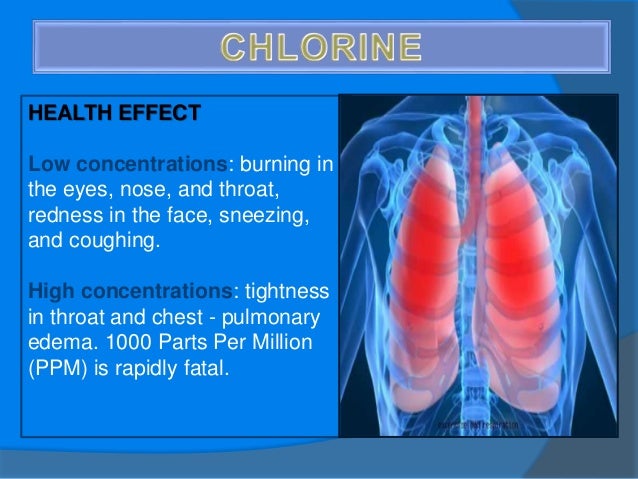
Ever walk into an indoor pool and start coughing like you just inhaled a jalapeño? That’s because chlorine gas can form when the water isn’t balanced perfectly. The gas is heavier than air, so it hangs around the surface like a smelly ghost. When you breathe it in, it reacts with the moisture in your airways to form hydrochloric acid—yes, the stuff that eats through metal.
In small doses, it just irritates your throat and makes you feel like you swallowed a sandpaper lozenge. In high concentrations (like in a poorly ventilated room or a cleaning accident), it can cause chemical pneumonia. But relax—that’s rare. Your local YMCA isn’t trying to give you a toxic lunch. You’ll be fine. Unless you huff the gas like it’s 1999. Don’t.
The Surprising Part: Your Gut
Here’s the weird one. You don’t drink pool water on purpose, but you swallow a little. That chlorine hits your stomach acid, which is already basically hydrochloric acid—so your stomach is like, “Ha! Weak sauce.” It neutralizes most of it. But chlorine can also kill some of your good gut bacteria if you gulp enough. That’s why lifeguards who swallow water all day sometimes get gassy, bloated, and grumpy. No, that smell is not the pool filter.
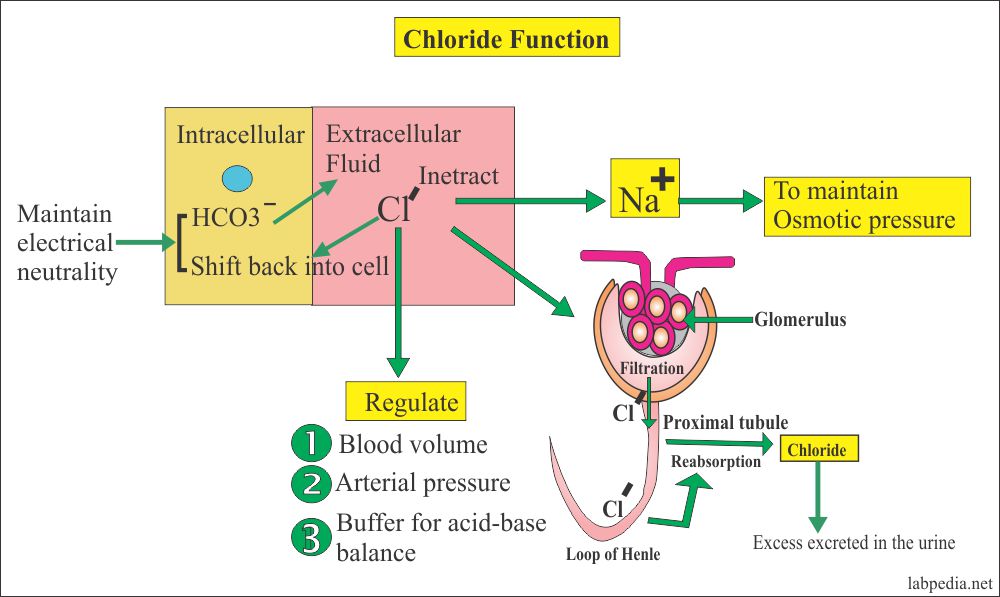
Also, surprising fact: some studies suggest that long-term exposure to high chlorine levels in drinking water (not pools) might mess with thyroid function. But don’t start filtering your cocktails yet—the risk is tiny. Your body is pretty good at kicking chlorine’s butt out the front door.
 Normal Chlorine Levels Blood at Michael Robin blog
The Hair Horror Show
And lastly, your hair. Chlorine binds to the protein in your hair, turning it into a brittle, straw-like mess—especially if you’ve got blonde or color-treated locks. It can even turn some hair green. No, it’s not algae—it’s copper from pipes binding to the chlorine and latching onto your strands. You’re not a swamp monster; you’re just a fancy chemical experiment.
The fix? Wet your hair with fresh water before diving in—soaked hair absorbs less pool water. Or wear a swim cap. Or just accept that for the next hour you look like you survived a bad perm in 1987.
The Bottom Line: Friend, Not Foe
Chlorine is a grumpy but necessary janitor. It keeps your pool from becoming a biological soup, and it does its job by being mildly annoying to your body. You’ll survive. Your eyes will un-sting, your skin will re-oil, and your hair will forgive you. Just don’t pee in the pool, don’t chug the water, and maybe shower afterward. You’ll be fine. Now go swim—and yell “cannonball” like the chaotic legend you are.
P.S. If you see a lifeguard with bright green hair and dry skin, buy them a juice box. They earned it.
