What Is The Ph Of Deionised Water

Let's be honest: most of us don't spend our weekends pondering the pH of our tap water. We just want it to not taste like a swimming pool or leave chalky rings in our coffee m...

Let's be honest: most of us don't spend our weekends pondering the pH of our tap water. We just want it to not taste like a swimming pool or leave chalky rings in our coffee mugs. But then you hear someone mention deionised water – often called DI water – and suddenly you’re in science-class territory, feeling like you need a lab coat just to drink a glass of it.
Here’s the thing: deionised water is the diva of the water world. It’s been stripped of almost all its dissolved minerals and salts through a fancy electronic process. Imagine sending your tap water through a rock star detox, where it has to give up all its calcium, magnesium, and sodium before it’s allowed back on stage.
So, what’s the pH of this super-stripped water?
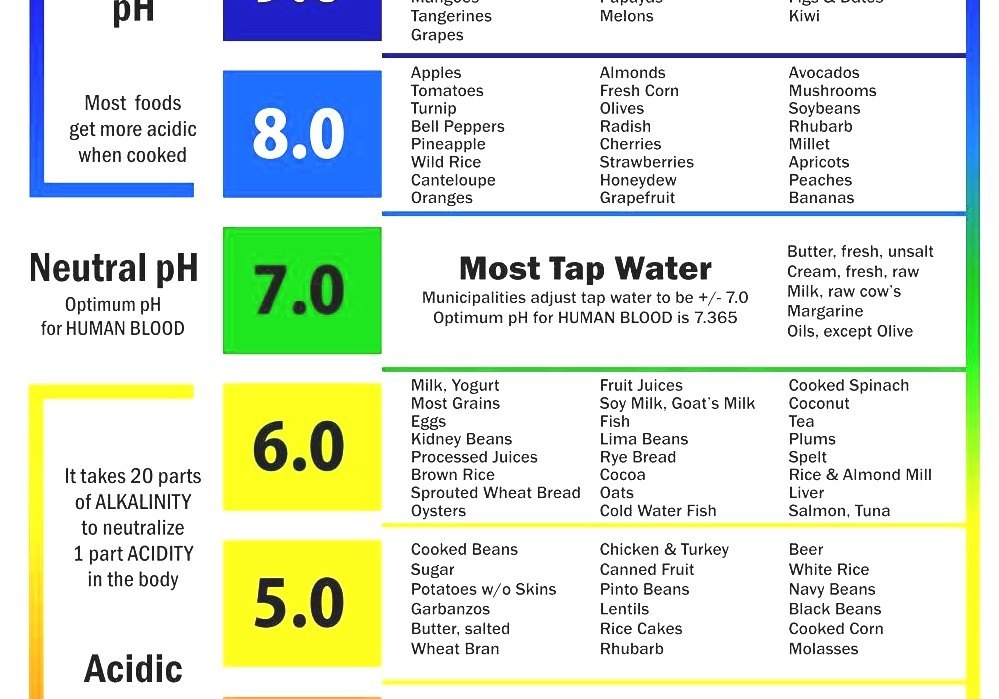
The theoretical answer is exactly 7.0 – right in the middle of the pH scale. That’s what the textbooks say, and it makes sense: no ions means no acidic or basic trace left behind. But in the real world, it’s a bit like trying to keep a toddler’s hands clean: it never stays that way for long.
Must Read
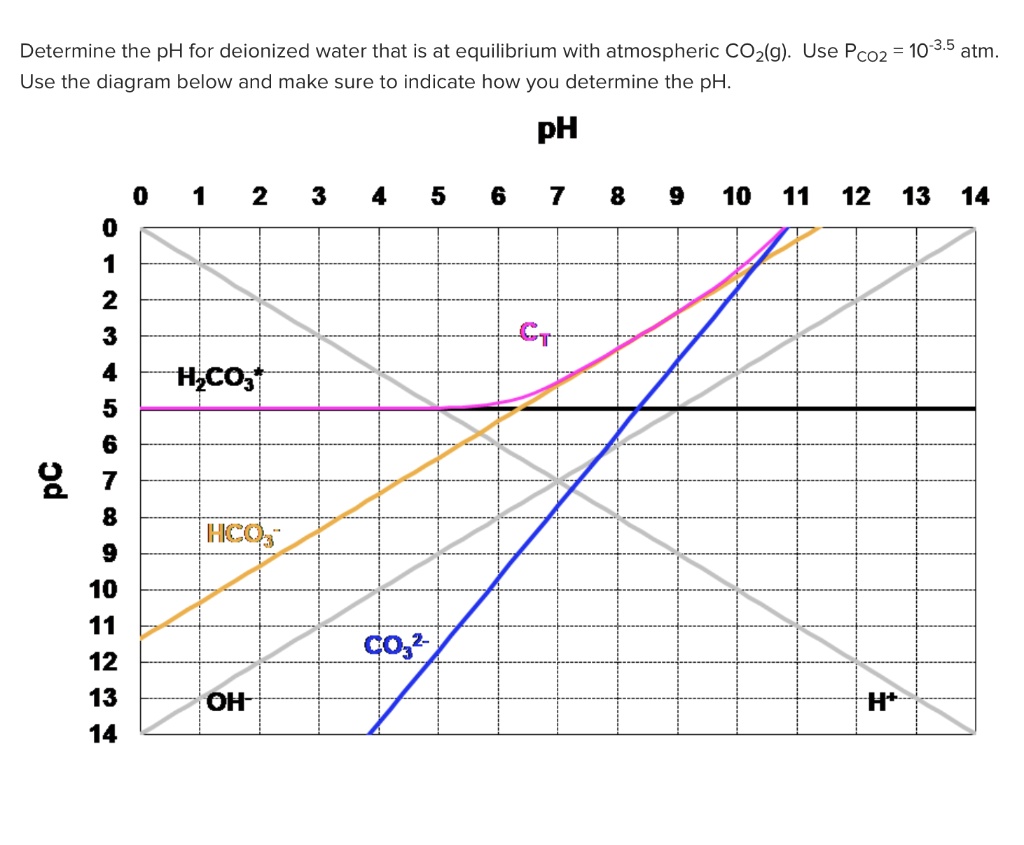
As soon as you expose deionised water to air, it sucks up carbon dioxide like a high-school kid hitting a vape pen. That CO₂ reacts with water to form carbonic acid, which drops the pH to around 5.5 to 6.5. So your perfectly neutral water becomes mildly acidic just by breathing.
Why should you care? (Spoiler: you probably don’t need to)
If you’re not a chemist, a biologist, or a person who obsesses over their car battery, the pH of deionised water is mostly trivia for cocktail parties – if you go to cocktail parties where people talk about pH. For everyday drinking, don’t bother with DI water. It tastes flat and weird because it has no minerals, like a joke with no punchline.
I once made coffee with deionised water on a dare. The result was a cup of brown sadness that tasted like a wet Lab coat. My friend described it as “the ghost of coffee,” which is both accurate and unsettling. The lack of minerals means it doesn’t extract flavor properly, so you get a watery, acidic mess.
 Purified Water - Di Water Ph
The weird thing about pure water and your tongue
Your taste buds are trained to expect certain minerals. When you suddenly drink water that’s too pure, it feels almost wrong – like trying to hug a balloon. It’s slippery on the tongue, and some people say it has a “sweet” or “metallic” aftertaste, even though there’s nothing there. It’s the water equivalent of a blank stare.
And here’s the funny truth: if you measure the pH of deionised water with a standard meter, you’ll get different readings every time. The water is so stripped that it acts like a sponge for contaminants. Even a tiny bit of dust from your finger can change the reading by a whole point. It’s like trying to weigh a feather on a scale that’s calibrated for bricks.
So, does the pH actually matter?
For most of your life, no. Don’t replace your tap or spring water with DI water. Your body needs those minerals for everything from muscle function to keeping your heart beating. Drinking pure deionised water for a long time can actually leach minerals out of your body, which is about as healthy as trying to bake a cake without flour.
 SOLVED: Determine the pH for deionized water that is at equilibrium
But for scientists, artists, and people who clean laboratory glassware, the pH of deionised water is a big deal. If you’re running an experiment that’s sensitive to even a tiny shift in acidity, using neutral DI water is the only way to avoid ruining months of work. It’s the white canvas of the water world – boring, but essential.
The moral of this watery tale
If someone hands you a glass of deionised water, smile politely, take a tiny sip, and then gently set it down. Don’t test its pH with your phone’s app – it won’t work anyway. Instead, remember that the perfect pH of 7.0 is a myth in the real world, like a unicorn that’s also a mermaid.
At the end of the day, the pH of deionised water is a slippery, stubborn number that changes faster than your mood on a Monday morning. It’s fascinating to think about, but you’re better off drinking water that has a little bit of life in it – minerals, fizz, and all. Your taste buds will thank you, and your inner scientist can rest easy knowing the truth: sometimes, pure is just too pure.
