How Long Does A Ro Membrane Last

Let's be honest, you probably bought your reverse osmosis system because you tasted one too many glasses of water that smelled like a swimming pool. Or maybe you just wanted t...

Let's be honest, you probably bought your reverse osmosis system because you tasted one too many glasses of water that smelled like a swimming pool. Or maybe you just wanted to impress your in-laws with “crystal clear” ice cubes. Now, you’re staring at that mysterious filter under the sink, wondering if it’s secretly plotting against you.
The big question is: how long does that fancy RO membrane actually last? It’s not like a carton of milk with a date you can sniff. No, this is more like a silent, hardworking friend who never complains—until it suddenly lets you down.
The Not-So-Glamorous Truth
On average, a good RO membrane will last you two to three years. Think of it as the “college roommate” of your water system—does a solid job for a while, then starts getting lazy. But here’s the kicker: your mileage will vary. A lot.
Must Read
If you live in an area where the tap water tastes like it was filtered through a gym sock, that membrane will work harder and burn out faster. It’s like asking a marathon runner to sprint every day. They’ll get cranky and retire early.
What Kills a Membrane (Besides Time)?
First, there’s the water pressure—too low, and your system is basically a lazy dog that won’t fetch. Too high, and it’s like a fire hose on full blast. Check your pressure gauge; it should be between 40 and 80 psi. If it’s not, your membrane is crying.
Then, you have the pre-filters. These are the unsung heroes that catch all the big, nasty stuff so the membrane can focus. If you skip changing those every six months, you’re basically feeding your membrane mud. It’s like eating a sandwich with the wrapper still on—you’re just asking for trouble.
Oh, and chlorine is the vampire of RO membranes. It loves to destroy them slowly from the inside. If your system doesn’t have a carbon block before the membrane, you’re basically inviting chlorine to a murder party.
 How Long Does a RO Membrane Last? - Water Treatment Supplier
Signs Your Membrane Is on Its Last Leg
You don’t need a stethoscope to diagnose a failing membrane. The first clue is your water taste. If your “pure” water suddenly tastes like you’re licking a public pool handrail, it’s time. Another sign: your TDS meter (total dissolved solids) shows numbers that look like a lottery ticket—anything over 50 ppm means your membrane is waving a white flag.
Ever notice your water dispenser is dripping slower than a procrastinator on a Monday? That’s another red flag. A clogged membrane chokes on its own work, like a vacuum cleaner bag you forgot to empty. Don’t ignore it—you’ll just end up with a puddle and a headache.
The “But I Use It for Whiskey” Exception
Here’s a funny thing: if you use your RO water only for drinking or coffee, you might squeeze another year out of it. But if you’re making fancy ice cubes for cocktails or filling a fish tank every day, that membrane is working overtime. It’s like the difference between a weekend jogger and someone training for a marathon—one lasts longer because they’re not pushing the limits constantly.
Pro tip: flush the system once a month. Most units have a little valve or a button. Flushing pushes out sediment and keeps the membrane happy. Think of it as giving your water filter a spa day—it appreciates the gesture, even if it can’t say thanks.
The “Cheap Membrane” Trap
I once bought a no-name membrane online for half the price. It lasted exactly nine months before it started producing water that tasted like a wet dog. That’s the thing—quality matters. A cheap membrane is like a dollar-store umbrella: it works until the first rainstorm, then you’re standing there soaking wet, cursing your life choices.
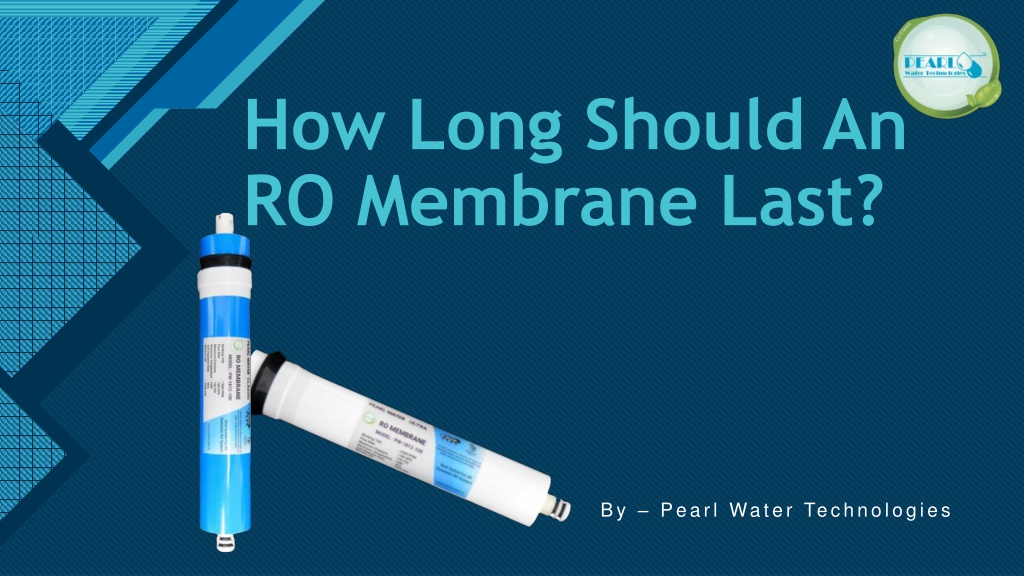 PPT - How Long Should An RO Membrane Last PowerPoint Presentation, free
Stick with known brands like Filmtec or Pentair. They cost more, but they’re the good friend who shows up on moving day, not the one who texts “sorry, can’t make it” with a picture of their lunch.
Should You Replace It Yourself?
Look, if you can change a lightbulb without calling your mother, you can swap an RO membrane. It’s usually a twist-and-pull affair that takes about ten minutes. Just don’t forget to turn off the water first, unless you enjoy a surprise indoor waterfall.
YouTube is your best friend here. Someone has definitely filmed a tutorial where they accidentally drop the filter in the sink, and that’s exactly the kind of honesty you need. You’ll feel like a plumbing genius after—or at least someone who can follow instructions without crying.
Final Sip of Wisdom
So, how long does an RO membrane last? Two to three years, give or take a few months of neglect or overuse. It’s the avocado of water filtration—it ripens at its own pace and you can’t rush it. Change your pre-filters, check your pressure, and listen to your water. If it starts tasting funny, don’t bargain with yourself. Just order a new membrane and move on.
And hey, when you get that fresh membrane installed, pour yourself a glass of water. Sip it slowly. Smile. You’ve just saved yourself from buying bottled water for the next three years—and you can finally use that “advanced filtration” label in your kitchen without guilt. Cheers to you, water warrior.
