How To Measure Hardness In Water

The first time I truly cared about water hardness, I was three weeks deep into a battle with a mysterious white film that plagued every single one of my drinking glasses. I sc...
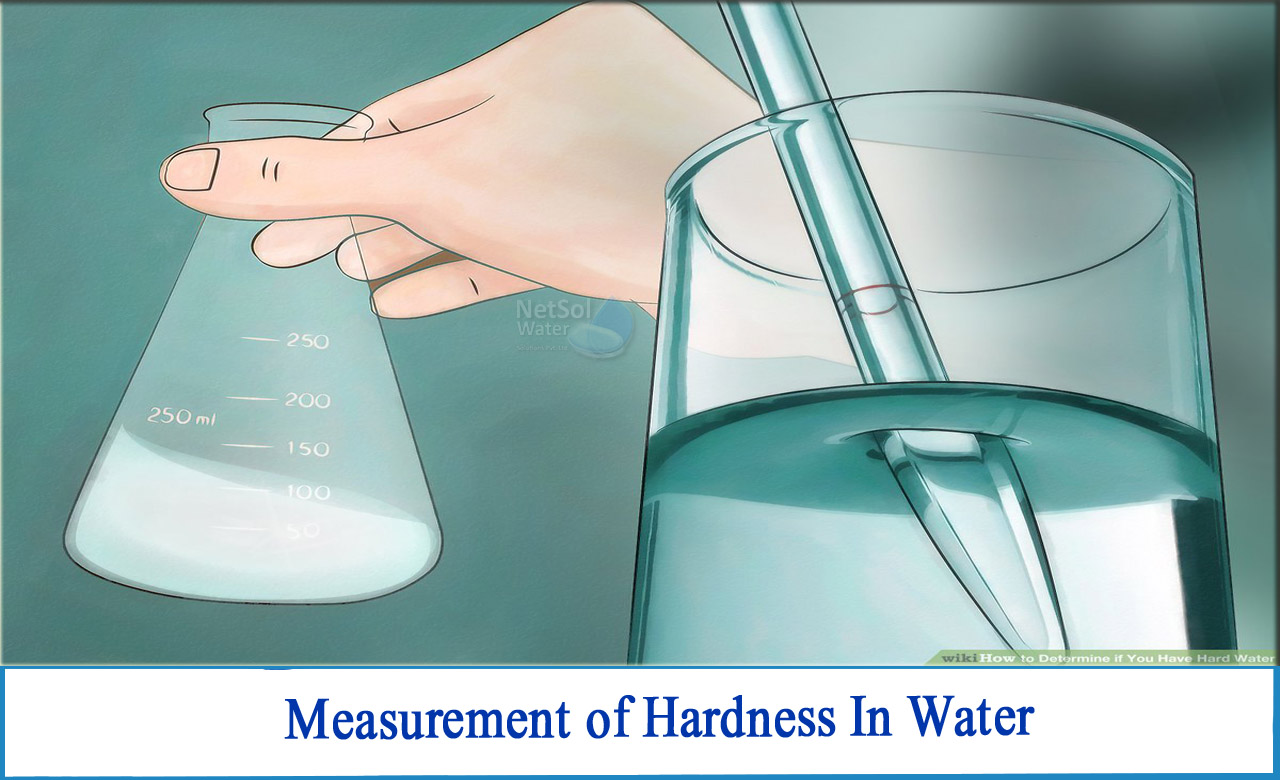
The first time I truly cared about water hardness, I was three weeks deep into a battle with a mysterious white film that plagued every single one of my drinking glasses. I scrubbed them raw, used fancy vinegar rinses, and even resorted to lemon juice. Nothing worked, and I was this close to accepting a life of cloudy, spot-ridden stemware. Then, on a whim, I sent a sample to a local lab and got the verdict: my water was harder than a calculus exam. That’s the moment I realized you can’t fix what you don’t measure.
That white film, by the way, is calcium carbonate. It’s the chalky ghost of the minerals magnesium and calcium that hitched a ride from the ground into your tap. If you’ve ever felt a slimy residue on your hands after washing (the soap not lathering), that’s the same culprit. Hard water isn’t a health hazard unless you count the slow death of your coffee maker, but it will wreck your plumbing and make your skin feel like parchment.
The Soap Shock Test (Your First Clue)
Before you buy any fancy kit, try the soap shock test. Fill a clear bottle halfway with tap water, add a few drops of pure liquid soap (not detergent), and shake it for ten seconds. If you get a fluffy mountain of suds, your water is soft. If you get a thin, sad layer with a cloudy liquid underneath, you’ve got hard water.
Must Read
This works because soap reacts with calcium and magnesium to form that scummy precipitate. I call it the “poverty test” because it costs you nothing but a drop of soap (and your pride, if the results are brutal). Your hands will also feel “squeaky clean” after rinsing with hard water, which is actually a sign of the soap scum bonding to your skin. Lovely, right?
Strips, Drops, and Digital Gizmos
If you want actual numbers instead of just a sad bottle of suds, you have three main weapons. The test strips are the lazy person’s choice: dip in water, wait two seconds, compare the color to a chart. They tell you if your water is “soft” (0-60 ppm), “moderate” (60-120 ppm), or “you’re basically drinking chalk” (120+ ppm).
For more precision, use a liquid drop test kit. You fill a vial, add a chemical drop by drop until the water changes color, and count the drops. Each drop equals one grain of hardness per gallon (or 17.1 ppm if you’re a metric nerd). This is the “mad scientist” method and honestly, it’s fun watching that pink water turn blue.
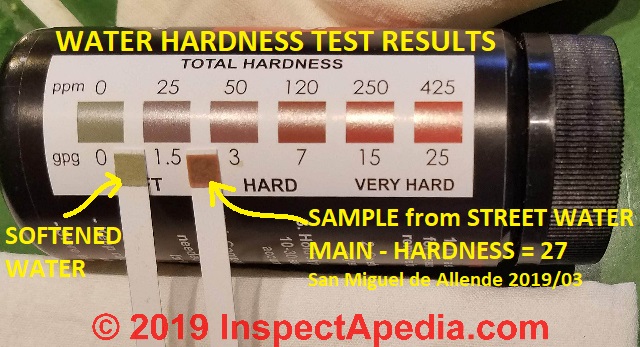 Water Hardness Scale
If you’ve got money to burn, buy a digital TDS meter (total dissolved solids). You dip it in, it gives you a number, and you instantly know your water’s mineral load. Just remember: a TDS meter measures all solids, not just hardness minerals. So if your water is high in sodium, that meter will lie to you about the actual hardness.
The “Grains Per Gallon” Mystery Solved
You’ll see water hardness measured in two units: PPM (parts per million) and GPG (grains per gallon). One GPG equals 17.1 PPM. If your water reads 180 PPM, that’s roughly 10.5 GPG. Anything over 7 GPG (120 PPM) is considered hard and will start forming that film I was yelling about earlier. Most water softeners are set to remove down to 1 GPG, which is basically rain water.
Between you and me, I don’t even think about PPM. I just memorize the GPG scale because it makes me feel like a whiskey distiller talking about “grains.” But use whatever unit makes you feel smarter.
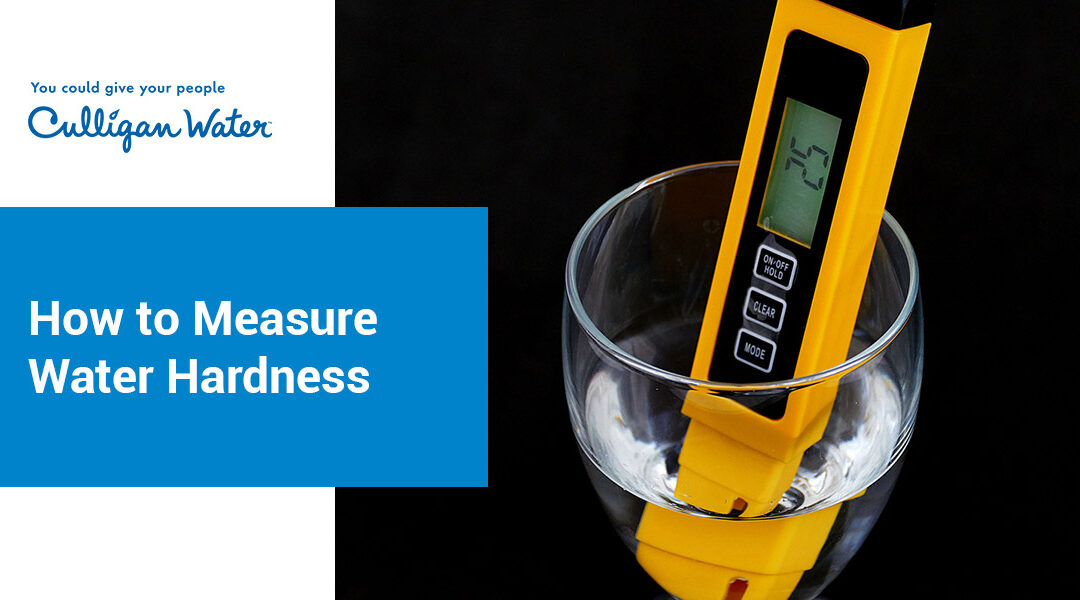 How To Measure Water Hardness At Home at Ava Lazarev blog
When to Call in the Professionals
If your test strips show over 180 PPM (10.5 GPG), you don’t need a test—you need a water softener. At that level, your water heater is accumulating a layer of scale that’s costing you 20-30% more energy to heat water. That’s like burning money to watch your faucets turn white.
Also, if you notice blue-green stains on your sinks (that’s copper eating through your pipes from acidic water), or orange stains (iron), a simple hardness test won’t cut it. Those are different problems. Hardness is calcium and magnesium—the friendly, white-scum minerals. Stains of other colors mean you need a full water panel, not just a strip.
The Final Pour
Once you know your numbers, you have power. You can stop fighting with cloudy glasses and start accepting that maybe, just maybe, you need a water softener or a simple countertop filter. I bought a cheap liquid test kit for 12 bucks, and it saved me from buying a $300 softener I didn’t need. Now my glasses sparkle, and my hands feel like a baby’s butt (after adding lotion).
So grab a test kit, do the soap shake, and embrace your inner water chemist. Your coffee maker will thank you. And if you get a reading above 180 PPM? Just remember—it’s not your fault. That’s just the Earth being a little too generous with its minerals. Cheers (with a clean glass).
