How To Tell If U Have Hard Water

So the other morning, I poured myself a glass of tap water, took a big gulp, and felt like I was chewing on a chalkboard. You know that weird, gritty film it leaves on your to...
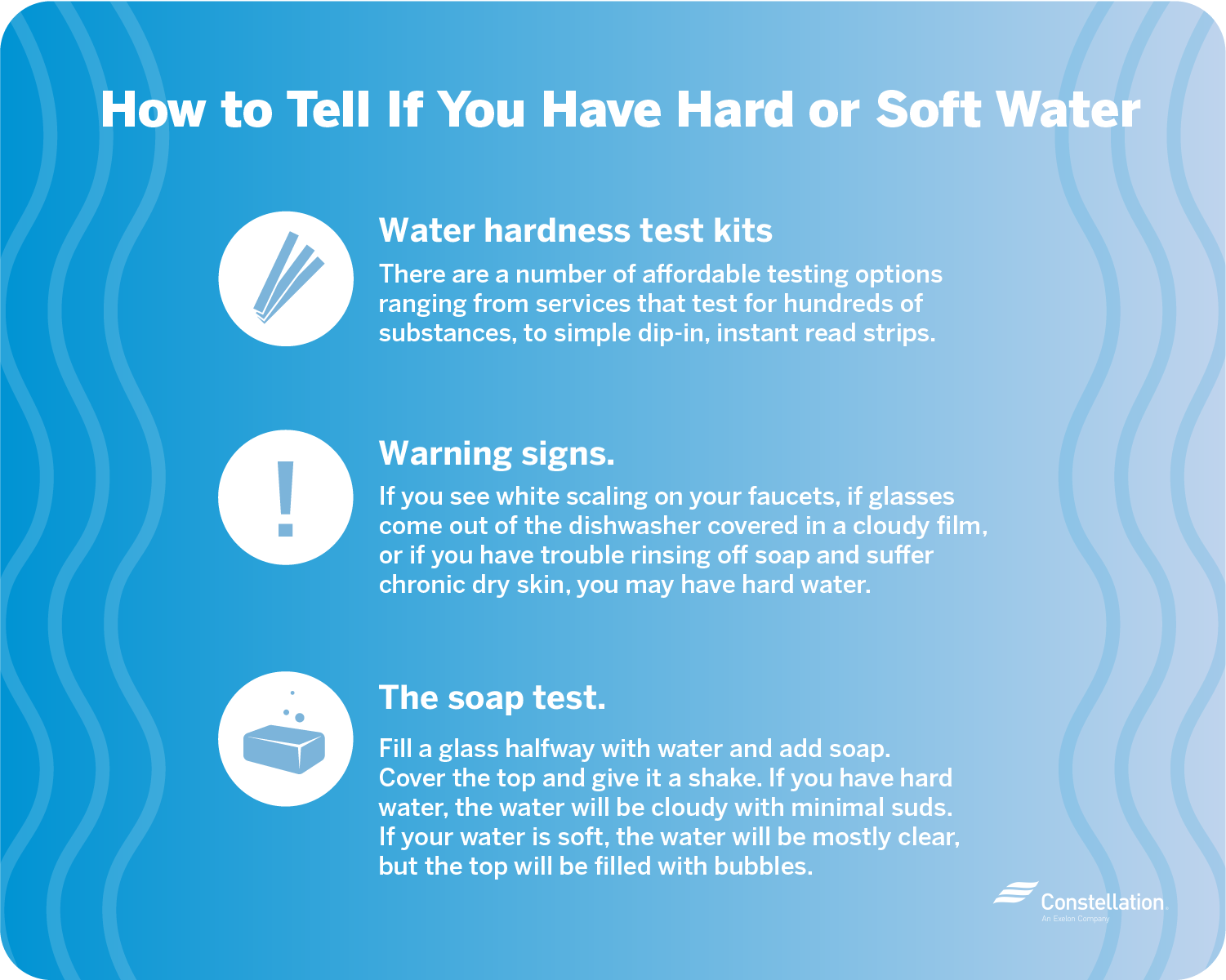
So the other morning, I poured myself a glass of tap water, took a big gulp, and felt like I was chewing on a chalkboard. You know that weird, gritty film it leaves on your tongue? Not exactly the refreshing start I was hoping for. That, my friend, was my first clue that I wasn’t just being dramatic—I was dealing with hard water.
It’s those sneaky minerals—calcium and magnesium—that hitch a ride into your supply. And trust me, once you know what to look for, you’ll start seeing them everywhere. Let’s break down how to tell if you’re living the hard-water life, without needing a chemistry degree.
Your Soap Acts Like a Petulant Toddler
Ever notice how some soaps just refuse to lather up, no matter how much you scrub? That’s not a defective soap bar—it’s a mineral standoff. Hard water reacts with soap to form a sticky scum instead of a fluffy lather.
Must Read
So if you find yourself using half a bottle of body wash just to feel clean, red flag. Your shower is basically a science experiment against bubbles.
Your Skin and Hair Join the Complaint Department
After a shower, does your skin feel tight, dry, or weirdly squeaky? That’s the minerals stripping your natural oils. Same goes for hair: it can turn brittle, dull, and frizzy—like a haystack that tastes faintly of metal.
I swear, my hair started acting like a moody teenager the second I moved into my apartment. It looked greasy faster, no matter how much I shampooed. Hard water literally leaves a mineral film on your strands that weighs them down.
The Glassware Lies to You
Pull out a clean glass from your cabinet and hold it up to the light. See those cloudy spots or rainbow-ish stains? That’s not a bad rinse cycle—it’s calcium carbonate drying into a permanent art project. You haven’t truly washed dishes until you’ve fought against a white film that laughs at your sponge.
Even your dishwasher will start crying for help—those white deposits on the door? Yep, hard water. You can scrub till your arms ache, but the spots will always come back. It’s like having a lazy ghost that only dirties dishes.
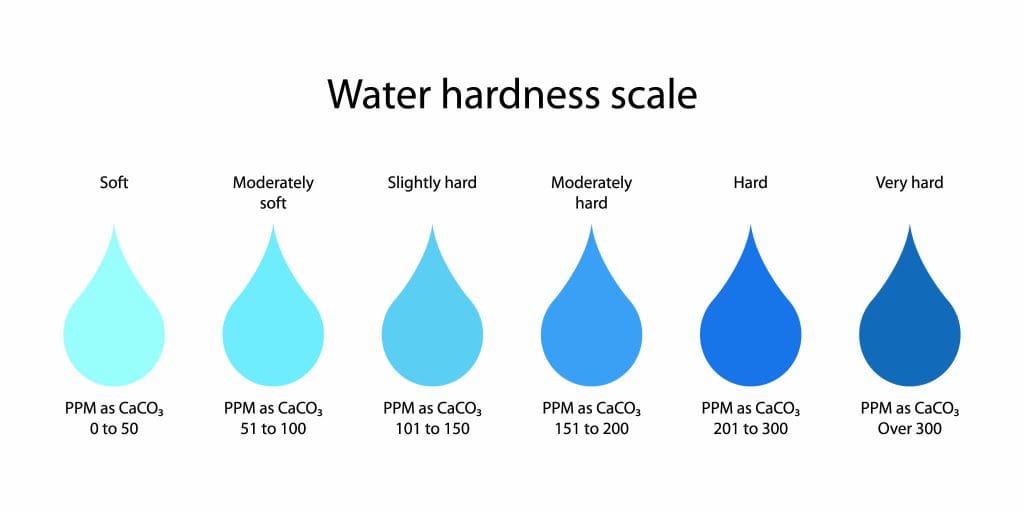 How To Tell If You Have Hard vs Soft Water: Differences Explained
Your Appliances Sound Tired
If your coffee maker takes forever to brew or your water heater makes grumbling noises, listen closely. That’s mineral scale building up inside, choking the pipes. I’m not saying your kettle is plotting a revolt, but the buildup can seriously shorten its life.
And a clogged showerhead? It’ll start spraying in weird directions, like a lawn sprinkler having a seizure. Hard water is the silent killer of household appliances—and your patience.
The White Crust on Faucets Isn’t a Design Choice
Look at your kitchen faucet. See that chalky, white crust around the spout? That’s limescale, and it’s basically the calling card of hard water. It’s not dirt, so wiping it with a regular cloth does nothing—you need vinegar or a citric acid scrub to kick it.
Now check your toilets. If there’s a rusty or dark ring near the waterline that won’t scrub off, that’s manganese or iron from hard water throwing a party in your bowl. Classy, right?
Your Laundry Looks… Sad
Wash a white T-shirt and pull it out looking gray or dingy? That’s not a detergent fail—hard water locks dirt into fabrics. The minerals react with soap and trap grime, so colors fade faster than your New Year’s resolutions.
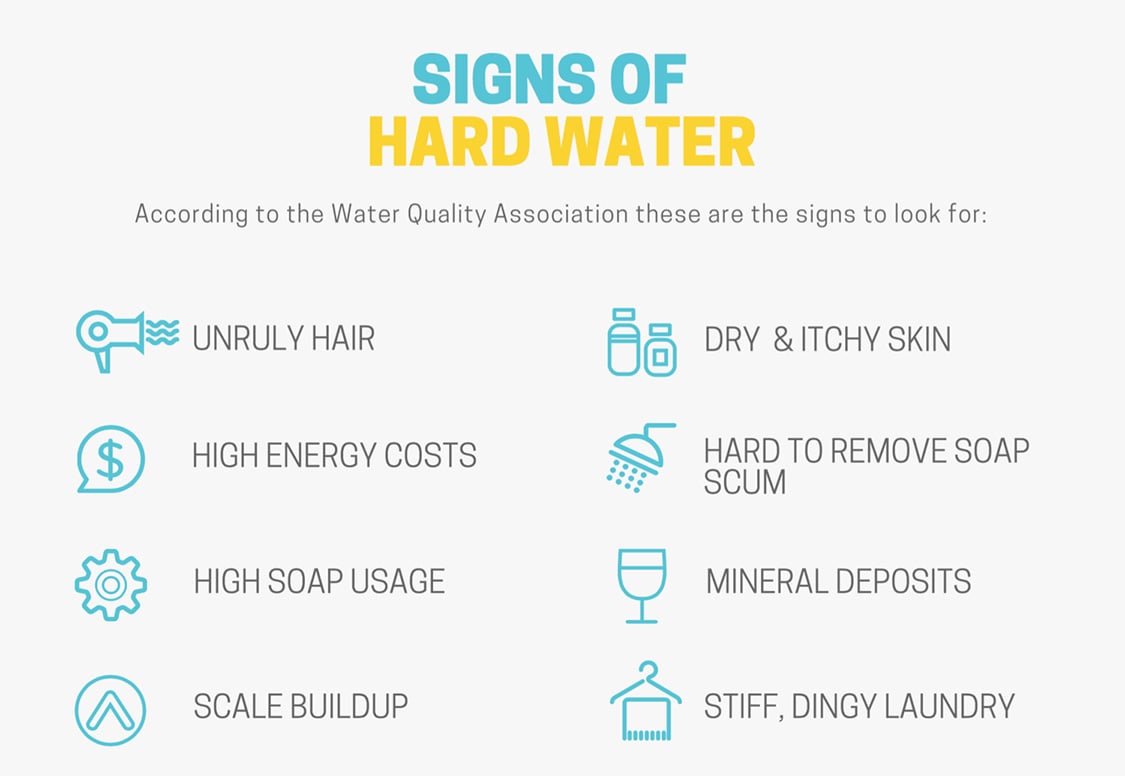 A Detailed Guide on Hard Water Treatment Systems
Even worse, your clothes can feel stiff and scratchy, like cardboard with sleeves. Softener sheets won’t save you here. You’d need a whole water-softening system to break that mineral grip.
The Tap Water Test You Can Do Right Now
Want to be sure? Fill a clear bottle halfway with tap water, add a few drops of liquid soap, and shake it for 10 seconds. If it produces lots of fluffy bubbles, congrats—you’re in soft water territory. If it gives you a thin, cloudy foam or barely any suds, welcome to the hard water club.
Another trick: boil a cup of water in a clean pot and let it cool. If you see a white powder floating or settling at the bottom, that’s calcium. It’s like the water is leaving you a little souvenir every time you make tea.
Why It Matters (Besides Being Annoying)
Hard water isn’t dangerous to drink—it’s actually healthy because of the extra minerals. But it is a pain for your wallet. Appliances break faster, you use more soap, and your pipes can get clogged over time. Think of it as a slow, sneaky tax on your household.
If you’re tired of fighting the scale monster, a water softener or a simple filter pitcher can change your life. Seriously, once you taste soft water, you’ll wonder how you ever lived with that chalky flavor.
So next time your soap won’t lather or your hair hates you, don’t blame yourself—blame the minerals. Now go look at your faucet with judgmental eyes. You’ve earned it.
