Does Water Have Expiration Date

So, you’re standing in your kitchen, staring at a bottle of water that’s been hiding behind the pickles since the Obama administration. You check the label and gasp—there’s an...
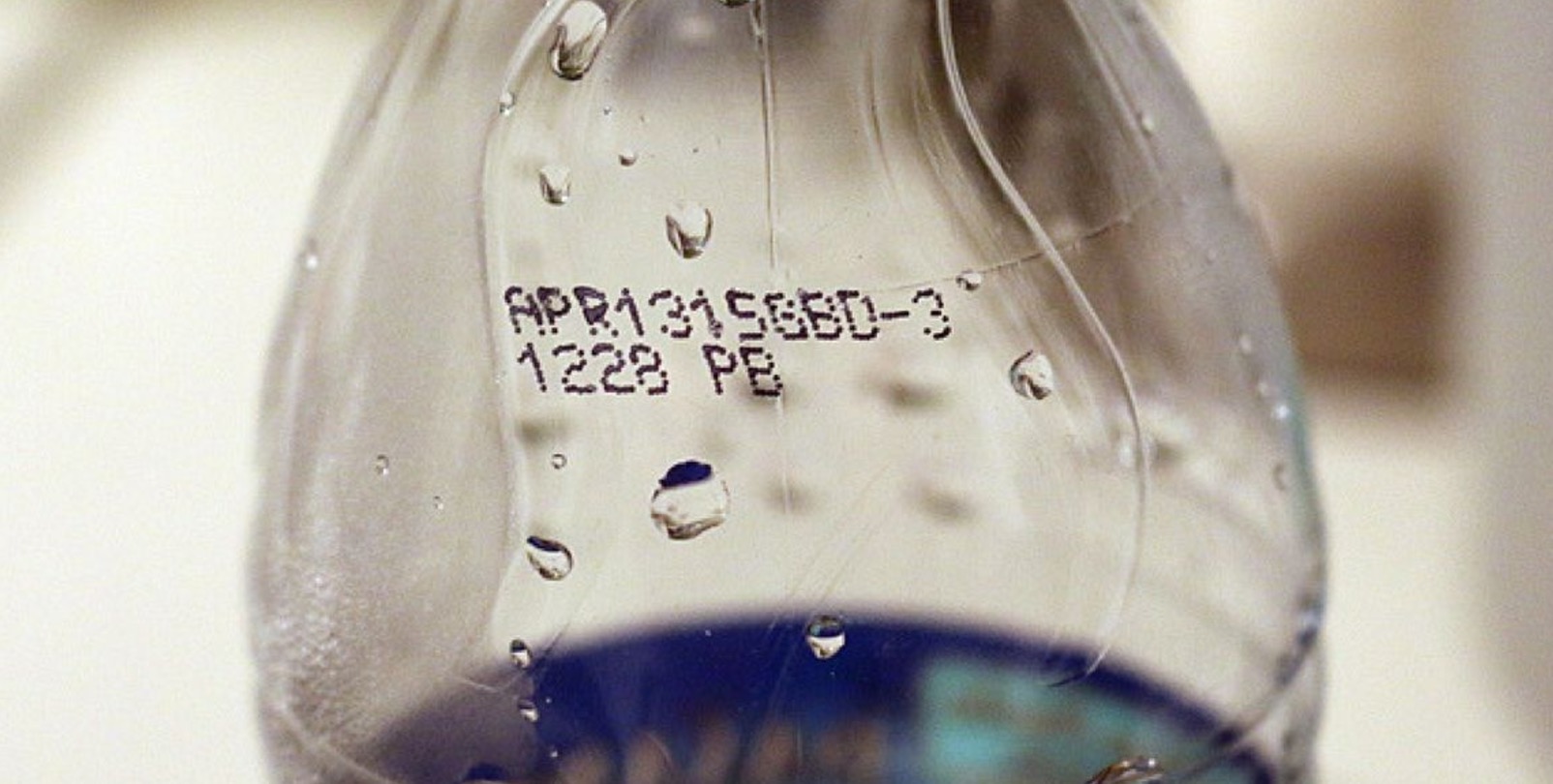
So, you’re standing in your kitchen, staring at a bottle of water that’s been hiding behind the pickles since the Obama administration. You check the label and gasp—there’s an actual expiration date printed right there. Does water, the stuff that’s been around since the dinosaurs, suddenly decide to turn into poison after a few years? Grab a seat and maybe a glass of something—preferably not that ancient bottle—because I’m about to spill the tea (or the H₂O) on this hydrating mystery.
The truth is, water itself doesn’t expire. It’s not like milk, which throws a dairy party in your fridge and then invites mold.
Pure water molecules—H₂O—are basically immortal. They’ve been cycling through the planet for billions of years. That sip you just took might have once been part of a T-Rex’s urine. Gross? Sure. But it proves my point: water doesn’t go bad on a molecular level. So why do those plastic bottles have a date on them? Is it a conspiracy by Big Water to sell you more bottled stuff?
Well, sort of. The expiration date is for the container, not the water inside.
Plastic bottles start to break down over time, especially if they’ve been baking in a hot warehouse or your car’s glove compartment. That breakdown can leach chemicals like antimony (a heavy metal) or bisphenol A (BPA) into your water, giving it a weird, plastic-y taste. The date on the bottle is basically the manufacturer’s warning: “Drink this before the plastic starts seasoning your water like a bad chef.”
Must Read
Let me paint you a picture. Imagine you find a water bottle from 1998 in your garage, half-full and sweating in the summer heat. You open it, and it smells like a mix between a swimming pool and your uncle’s old gym bag. That’s not expired water—that’s flavor from the bottle and a bacterial rave that moved in after you left the cap loose. Bacteria and algae love warm, stagnant water. If you let that 1998 bottle sit in the sun, you’re not drinking water; you’re drinking a biome.
But here’s where it gets juicy: even tap water can “go bad” if you leave it out too long.
Leave a glass of water on your nightstand for a week, and it will start tasting flat and dusty. That’s because it absorbs carbon dioxide from the air, forming a tiny bit of carbonic acid, lowering the pH. Plus, dust, pet hair, and the ghost of your last sneeze settle in. It won’t kill you—your stomach acid laughs at that stuff—but it’s certainly not refreshing.
 Why Does My Water Bottle Have An Expiration Date? Explained!
I once conducted a very scientific experiment: I ignored a bottle of store-bought water in my backpack for two years. I found it during a spring cleaning rage. The water looked clear, but I gave it the sniff test. It smelled like plastic and regret. I poured it out. My cat tried to drink it from the floor, then gave me a look that said, “You’ve failed me as a human.” The water was fine chemically, but the taste was basically a betrayal.
So, can you die from drinking expired bottled water? Only if you die laughing at the absurdity of the question.
Seriously, no. The FDA doesn’t even require expiration dates on water bottles, though many states do for manufacturing reasons. The real danger is the plastic. If your bottle is dented, sun-bleached, or has been in a hot car for months, toss it. The chemicals can mess with your hormones over time. But a sealed bottle stored in a cool, dark place? That water is technically safe for decades—though the taste might make you question your life choices.
Here’s a surprising fact: In 2020, a guy named Michael Vogt won a lawsuit with a water company because his “spring water” was actually tap water. That’s not about expiration, but it reminds us that what’s in the bottle isn’t always magical. If your water is from a municipal source and bottled, it’s already been treated. It’s not going to spontaneously turn into acid.
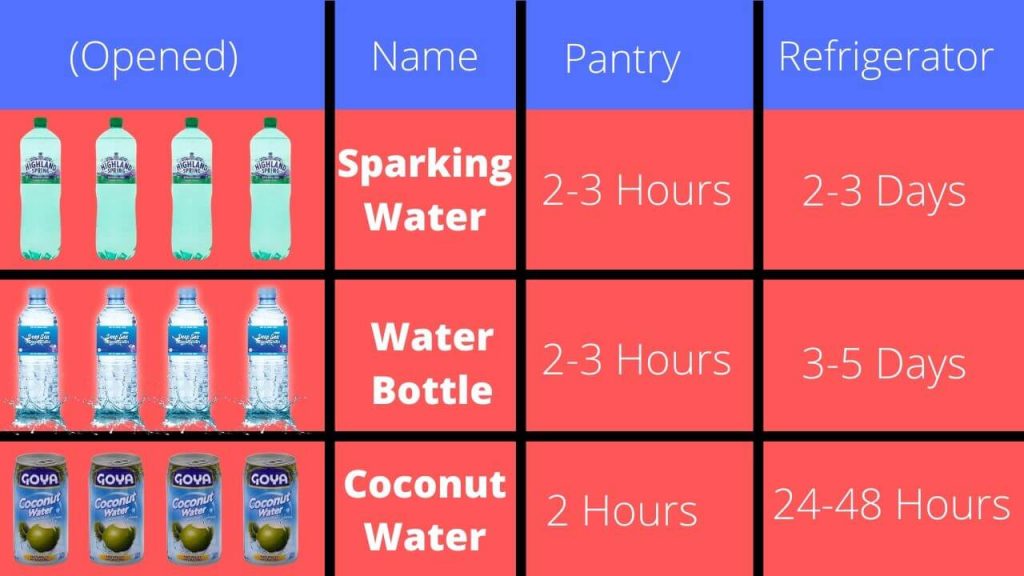 How Long Does Bottled Water Last - Decoding the Expiration Dates
What about sparkling water? Does that have a shorter shelf life? You bet your fizz it does.
Sparkling water is just water with dissolved carbon dioxide. Over time, the CO₂ escapes through the plastic cap—plastic is porous!—leaving you with flat, sad water. That’s not expiration; that’s a betrayal of bubbles. Drink your sparkling water within a year, or you’re basically paying for disappointment.
So, here’s the final, very unscientific verdict from your café friend: Water doesn’t expire, but your bottle’s patience does. If you’re staring at a dusty water bottle and it’s been more than two years, do yourself a favor—use it to water a plant. The plant will forgive the plastic aftertaste. Your tongue might not.
And if you’re really worried about expiration, just remember: The water you drink today was probably part of a dinosaur’s lunch. That is both disgusting and awesome. So drink up, but maybe buy a fresh bottle—not because the water is bad, but because your taste buds deserve better than a sip of ancient Tupperware vibes. Now, go hydrate, you magnificent human.
