How To Test Your Water For Lead

So, you’ve decided to become a water detective. Maybe you saw a news report that made you gulp harder than your morning tap coffee. Or perhaps your thirsty houseplant just gav...

So, you’ve decided to become a water detective. Maybe you saw a news report that made you gulp harder than your morning tap coffee. Or perhaps your thirsty houseplant just gave you a judgmental look.
Don’t worry. You’re not alone in this slightly paranoid, very responsible quest. Testing your water for lead is like checking if your favorite old coffee mug is secretly a toxic villain.
Let’s be real: most of us assume our water is fine. We fill our kettle, boil pasta, and give the dog a bowl without a second thought. Then you remember your house was built when bell-bottoms were cool, and those old pipes might be having a heavy metal party.
Must Read
The good news? Testing isn’t rocket science. It’s more like making a slightly complicated iced tea. You just need the right supplies and a little patience.
Step One: Buy a Test Kit (That You Won’t Lose)
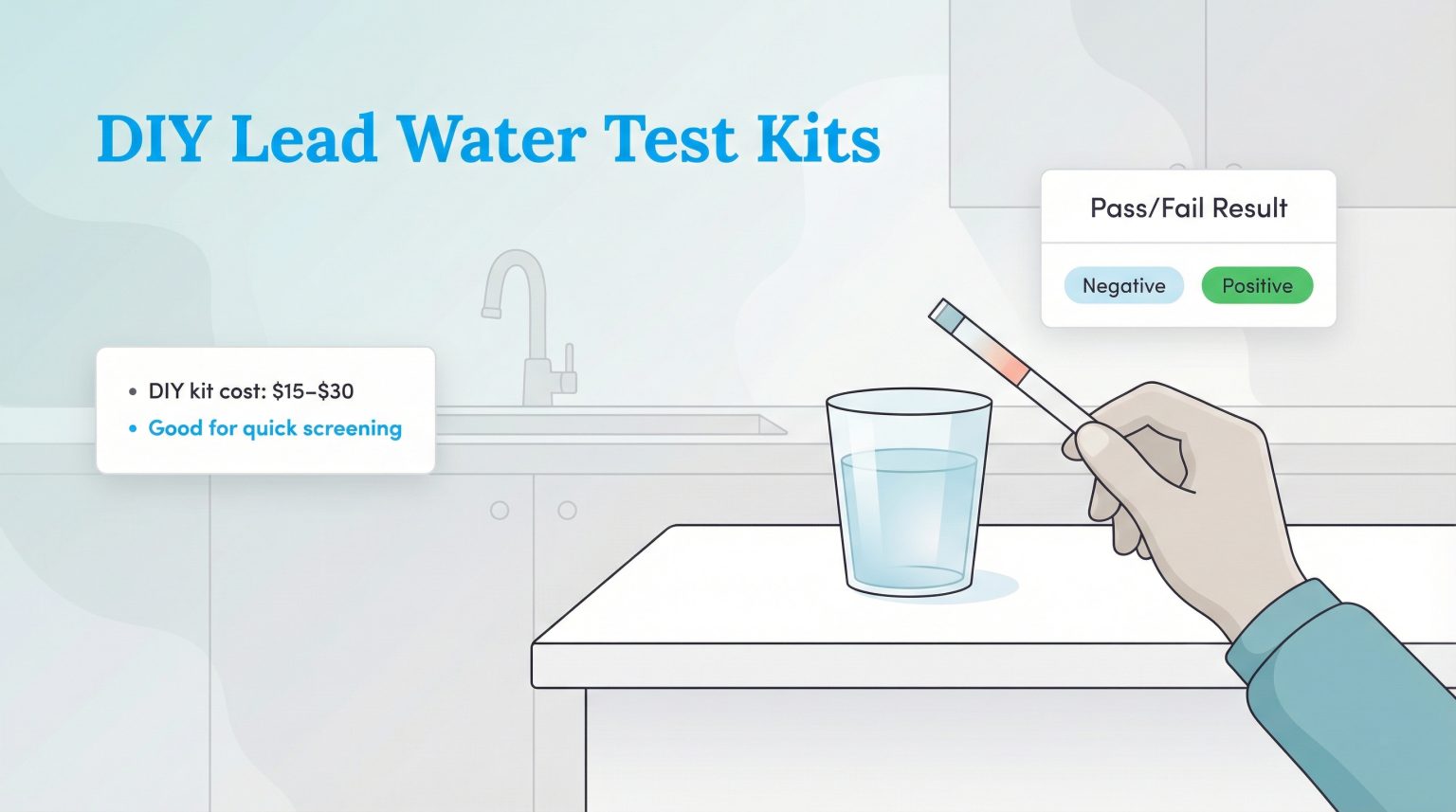
First, you need a test kit. You can find them at your local hardware store or order one online. Don’t buy the cheapest one that looks like a toy from a cereal box.
Look for a kit that is EPA-approved and tests for lead specifically. Think of it as buying a smoke detector, not a fake spider—one actually helps you sleep at night.
You’ll likely get a few vials, some instructions, and a prepaid envelope to mail your sample. If you lose the instructions in ten seconds, you are normal. Take a deep breath. You can do this.
Step Two: The “First Draw” vs. “Flushed” Showdown
Here’s where casual water drinkers become scientists. You need to collect two samples: the “first draw” and the “flushed” sample. It’s like the before-and-after photo of your plumbing.
The first draw is water that has been sitting in your pipes overnight. Don’t let the water run for even a second. Just turn the tap and fill the vial first thing in the morning.
The flushed sample is collected after you let the cold water run for two minutes. This shows what’s coming from the main line, skipping your home’s pipes. Two very different stories.
 How to Test Your Water for Lead: DIY Kits, Free Options, and Lab
Collect them in the labeled bottles. Try not to touch the inside of the cap. You’re not handling a precious artifact, but treat it like one anyway. No one wants your fingerprints in their lab report.
Step Three: Mail It Like You Mean It
Now you play mail clerk. Fill out the little form with your name and address. Check the box for “lead” and maybe write a tiny note saying “please be nice.”
Put the vials in the biohazard bag they provide—yes, it looks dramatic, but you do it anyway. Then stuff everything into the prepaid envelope.
Drop it in a mailbox. Resist the urge to kiss it for good luck. Just let it go. Your water sample is now on a journey far more exciting than your commute.
Step Four: The Waiting Game (Also Known As Paranoia Week)
Now you wait. The lab takes a week or two to process your result. During this time, you will drink bottled water like a fancy hotel guest.
You will stare at your faucets with suspicion. You might even apologize to your houseplants for any past toxic beverages. It’s fine. This is normal adult behavior.
Every day you check your email like you’re waiting for a job offer from a rock band. Patience, young Padawan. The lab techs are busy and probably drinking coffee from a safe modern tap.
 How to Test Your Water for Lead: DIY Kits, Free Options, and Lab
The Results: The Big Reveal
One day, an email arrives. The subject line is something boring like “Lab Results for Water Sample #473.” Open it slowly. Build suspense.
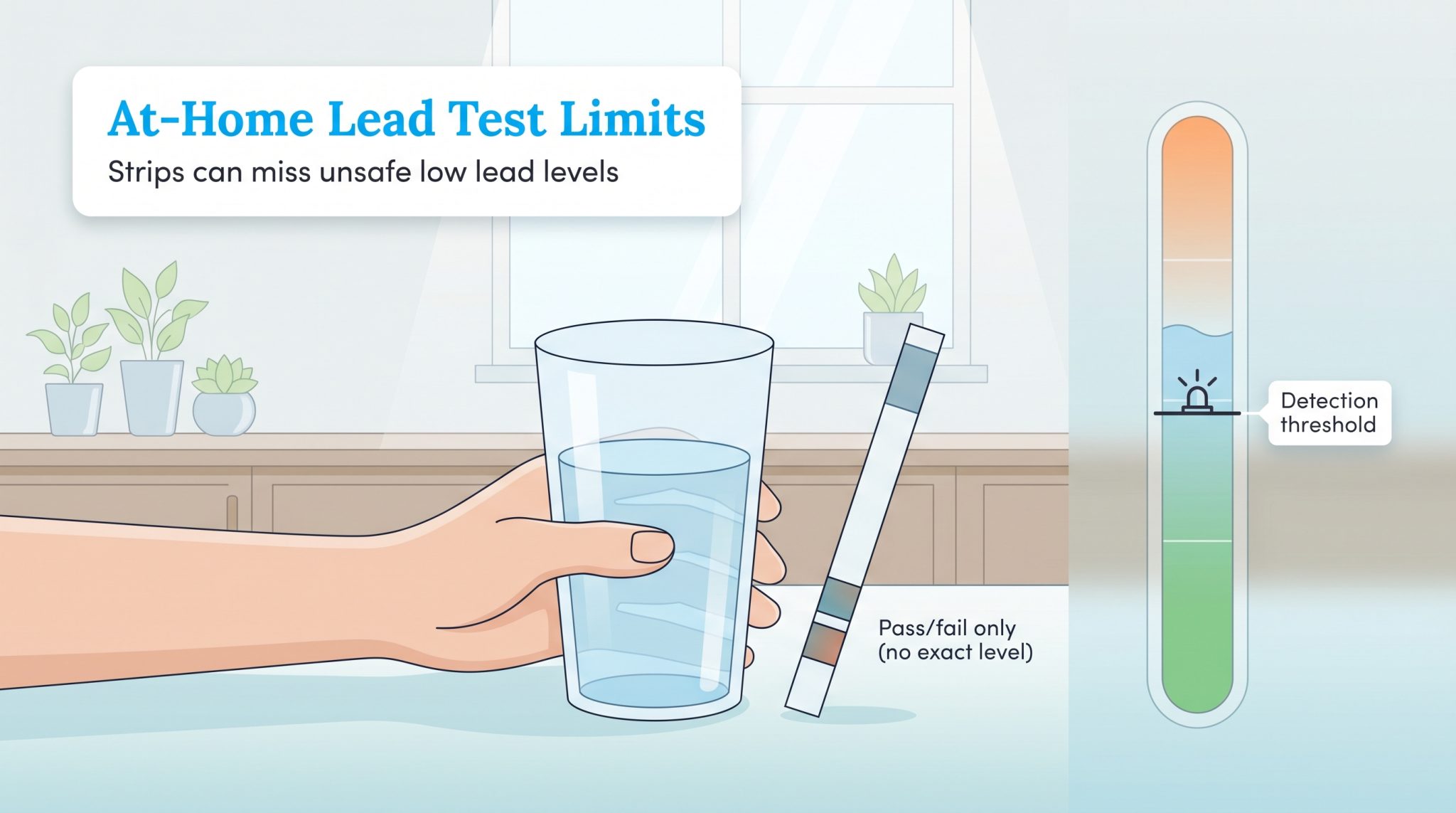
If your result says “Lead detected: 15 ppb or higher,” that’s the red flag. The EPA says that’s the “action level.” Time to call a plumber and start using a filter or bottled water for drinking and cooking.
If your result says “Lead: Not detected” or a low number like 2 ppb, you can do a happy dance. Your water is basically the gold medalist of tap water.
Don’t panic if you see a tiny number. Lead is everywhere in tiny amounts. You’re looking for a party, not a single stray guest. Common sense wins here.
What Next? (Spoiler: You Won’t Grow a Third Ear)
If lead showed up, don’t lose sleep. Flush your taps for 30 seconds before drinking—that clears the standing water. Use cold water for cooking, because hot water dissolves lead faster.
Buy a certified lead-removing pitcher filter. They’re not cheap, but they’re cheaper than a new plumbing system. Your kidneys will thank you.
And remember: testing once is great, but if you live in an old house, test every couple of years. Pipes can change. You’re not paranoid; you’re proactive. Like a dentist, but for your faucet.
So go ahead, be the water detective your street never knew it needed. Nod knowingly at your faucet. You’ve got this. And if nothing else, you now have a great story about the time you mailed a vial of your own water to a stranger in a lab.
