Why Does Water Taste Bad To Me

Let’s be honest: you’re not crazy. If water tastes like metal, plastic, or just flat-out wrong, there’s a real reason for it. Millions of people quietly struggle with the same...
Let’s be honest: you’re not crazy. If water tastes like metal, plastic, or just flat-out wrong, there’s a real reason for it. Millions of people quietly struggle with the same issue, often feeling guilty for not liking the most basic beverage on the planet.
So, what’s the deal? The short answer is that your water isn’t tasting bad—it’s talking. And your body is an expert eavesdropper.
The Chemistry of "Ew"
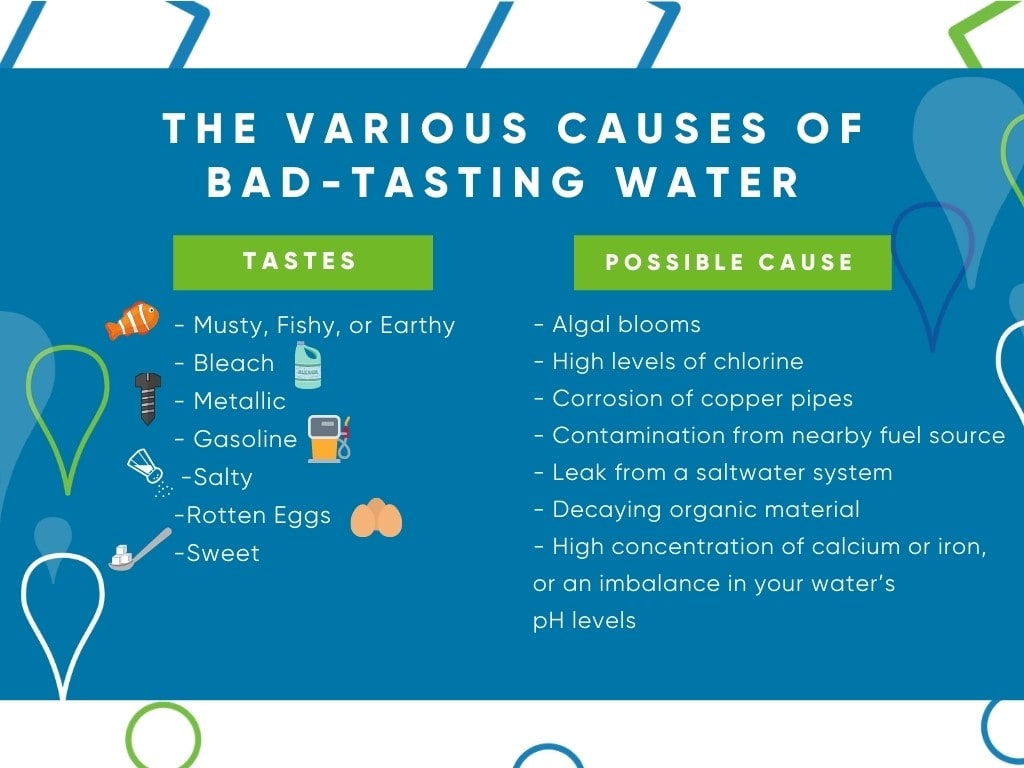
Your tap water is a cocktail of dissolved minerals, chlorine, and sometimes, old pipes. That metallic tang you hate? It’s likely zinc, copper, or iron leaching from your plumbing. Think of it as a tiny, unintentional chemistry experiment happening between the street and your glass.
Must Read
Ever notice that bottled water tastes "sharper" or more acidic? That’s because the plastic or the carbon dioxide used for fizz can react with the water over time. A 2021 study even found that microplastics can subtly alter the flavor profile, adding a whisper of petrochemical bitterness.
Then there’s the champion of bad water taste: chlorine. It’s added to kill bacteria, but for some people, it hits the palate like a swimming pool in a glass. If your water smells like a laundromat, that’s the culprit.
The "Super-Taster" Factor
Here’s a fun fact that might change your self-image: you may be a super-taster. About 25% of the population has more taste buds than average, making them hypersensitive to bitter compounds. You’re not picky—you’re genetically gifted (or cursed, depending on whether you’re sipping water or kale).
This isn’t just about water. Super-tasters often hate coffee, dark chocolate, and broccoli too. Water’s "bad" taste is just the most consistent offender because, well, you have to drink it every day.
Your age also plays a role. As we get older, our taste receptors dull, which is why grandpa can drink room-temperature tap water without flinching. You, on the other hand, are still in your prime, tasting every mineral and chemical from a mile away.
 Why Does Tap Water Taste Bad and How to Fix It | Kind Water – Kind
Cultural Vibes & Water Woes
Interestingly, our perception of water is deeply cultural. In Japan, mizu is sacred and often served with a reverence for its neutrality. In Paris, the tap water is famously hard and mineral-rich, and locals consider it full of terroir—like wine, but less glamorous.
Meanwhile, the modern obsession with alkaline water and pH-balanced bottles is a direct response to the "bad taste" anxiety. We’re spending billions to make water taste like nothing, which is ironically what we originally wanted it to be.
Bad water taste can even trigger the perceptual defense mechanism in your brain. If you once got a stomach bug after drinking from a certain glass, your brain flags that specific mineral profile as dangerous. It’s a survival instinct, mistaking calcium for a toxin.
Practical Tips to Fix It (Without Buying a Fancy Machine)
Let it breathe. Fill a pitcher and leave it in the fridge for an hour. Chlorine evaporates rapidly, and cold water dulls the bitter receptors on your tongue. It’s the single cheapest fix you’ll ever find.
Add a pinch of salt. Seriously—just three or four grains of kosher salt in a liter of water. Salt balances the perception of bitterness and makes the water taste smoother. It’s a bartender trick for making cheap vodka palatable, and it works wonders on tap water.
Change the vessel. Ditch the plastic bottle for glass or stainless steel. Plastic absorbs flavors from soap and old coffee rings, and then passes them to your water. A clean glass cup can improve taste by 30% instantly.
 What Is Ultrafiltration & How UF Membranes Actually Work 2025
Try a squeeze of lemon or lime. This doesn’t just add flavor—the citric acid neutralizes the alkaline aftertaste of hard water. Plus, it makes you feel like you’re at a spa, which is always a win.
Invest in a simple carbon filter. You don’t need a $500 reverse-osmosis system. A $20 Brita pitcher will remove chlorine, lead, and the weird plasticky notes. For many, this is the "aha" moment.
The Philosophy of Bad Water
Here’s the thing: hating water’s taste is actually a sign that you’re paying attention. In a world of hyper-sweet sodas and artificially flavored everything, your palate is still alert to subtlety. That’s not a flaw—it’s a skill.
When you learn to tweak your water (temperature, mineral balance, container), you’re not just making it drinkable. You’re curating your hydration. French sommeliers do this for wine; you’re doing it for the most essential element of life.
So next time you grimace at a glass of tap water, don’t worry. You’re not broken. You’re just a sophisticated person living in a world where pipes are old and taste buds are stubborn. And with a pinch of salt and a chilled glass, you’re probably fine.
After all, water doesn’t taste bad—it just tastes like the story of where it’s been. And sometimes, that story needs a good editor.
