What Does Tap Water Have In It

You know that feeling when you're parched after a long walk, and you fill a glass right from the kitchen tap? It's cold, clear, and somehow tastes like victory. But have you e...

You know that feeling when you're parched after a long walk, and you fill a glass right from the kitchen tap? It's cold, clear, and somehow tastes like victory. But have you ever stopped mid-gulp and wondered, "What exactly is in here besides water?" It's a fair question—and the answer is way more interesting than you might think.
Let’s start with the obvious: your tap water isn’t just H₂O. It’s a little community of minerals, chemicals, and sometimes even tiny hitchhikers. Think of it like a soup—a very, very watery soup that’s been carefully managed so you don’t get sick.
The Good Stuff: Minerals You Actually Want
Have you ever noticed how a glass of tap water can taste a bit different from your friend’s house across town? That’s often because of minerals like calcium, magnesium, and potassium. These guys are the unsung heroes—they’re the reason your bones stay strong and your muscles don’t cramp up after a workout.
Must Read
Imagine if your tap water was just pure H₂O. It would taste flat and almost metallic, like drinking from a plastic bottle left in the sun. The minerals give it body, like a pinch of salt in a stew.
And here’s a fun one: fluoride. You’ve seen it on toothpaste tubes, right? Many water utilities add it in tiny amounts to help protect your teeth. It’s like a secret bodyguard for your smile, working 24/7 while you brush and floss.
The Not-So-Fun Stuff: The “Be Careful” Ingredients
But not everything in your glass is a friend. Some of the stuff is there because of where the water started—like from a river or a lake. You might find trace amounts of chlorine, which is added to kill bacteria. It’s the reason your morning shower sometimes smells like a swimming pool.
Then there are the uninvited guests. Old pipes, especially in older homes, can leak tiny bits of lead or copper into your water. Think of it as your plumbing’s version of shedding dead skin—not dangerous in small doses, but worth knowing about if you live in a historic building.
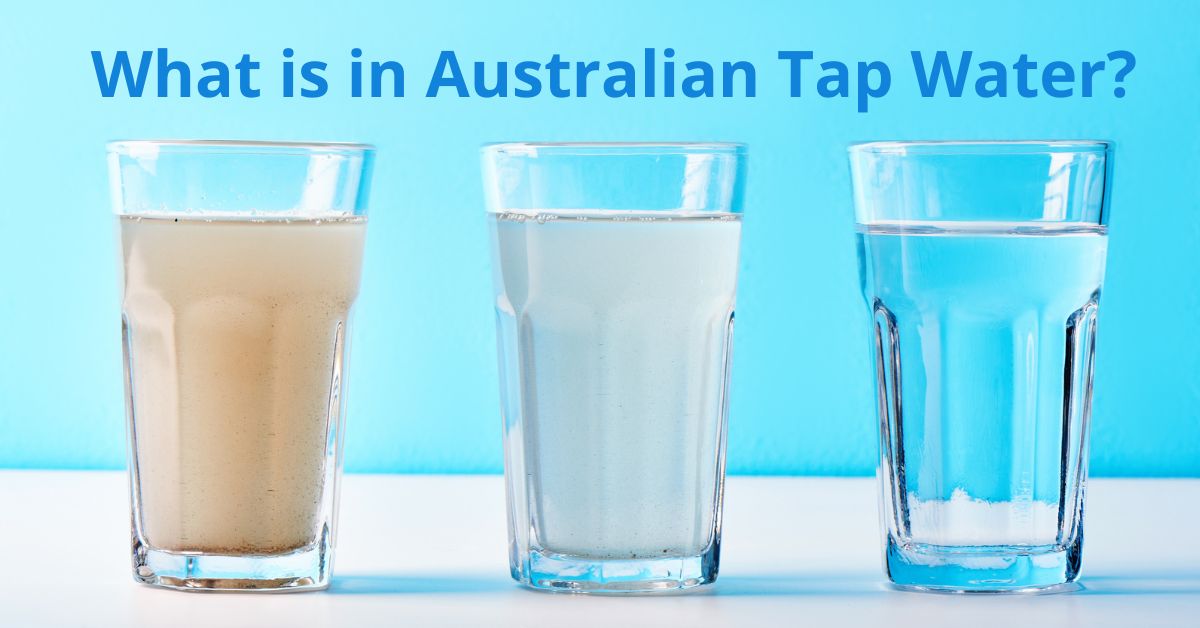 What is in Australian Tap Water? | Living Whole
And yes, pesticides from farms, pharmaceuticals people flush down the toilet, or even microplastics from your own laundry can sneak in. It sounds scary, but remember: the levels are usually very low, and your local water treatment plant is basically a superhero in a lab coat filtering most of this out.
Why You Should Care (Without Panicking)
Here’s the thing: knowing what’s in your tap water isn’t about being paranoid. It’s about being curious. Think of it like checking the label on a cereal box—you don’t stop eating cereal, you just know what you’re getting into.
If you notice your water tastes a bit like dirt after a heavy rain, that’s probably natural organic matter from the reservoir. It’s harmless, but it’s a reminder that your water is a living substance, not a factory product.
And here’s a little story: my friend Sarah swore her tap water gave her headaches. She bought a pitcher filter, and suddenly the headaches disappeared. Turns out, she was sensitive to the chlorine. Sometimes your body just knows, and a simple change can make a big difference.
What You Can Do About It
You don’t need to become a water chemist. Start with a quick check: look up your city’s annual water quality report. It’s usually online and free. It lists all the good stuff (minerals) and the not-so-great stuff (contaminants) in plain English.
 Seattle Tap Water
If you’re worried, a simple home filter—like a carbon pitcher or a faucet attachment—can remove chlorine, lead, and some pesticides. It’s like giving your water a gentle spa treatment before it hits your glass.
But most importantly, don’t stop drinking tap water. It’s cheaper than bottled water, produces less plastic waste, and is often tested more frequently. In many places, tap water is actually safer than the bottled stuff!
The Bottom Line
So next time you fill your glass, remember: you’re drinking a story. A story of rain falling on mountains, of minerals dissolving in underground caves, of pipes and pumps and people in lab coats working hard to keep you healthy. It’s a little complex, a little messy, and totally normal.
Embrace the minerals. Thank the chlorine for its service. And if you’re ever suspicious, just let it run cold for a few seconds before you drink—it flushes out any stale water sitting in your pipes. Your taste buds will thank you.
Now go ahead, take a big gulp. Your tap water is basically a free, weirdly fascinating science experiment that you get to enjoy every single day. Cheers to that.
