How To Increase Water Hardness

The other day, I filled my glass from the tap and took a big gulp. It tasted… flat. Like nothing. Just wet air. I immediately thought, “This water needs some personality.” Tha...

The other day, I filled my glass from the tap and took a big gulp. It tasted… flat. Like nothing. Just wet air. I immediately thought, “This water needs some personality.”
That moment got me thinking about water hardness. You see, soft water is great for your pipes, but terrible for your taste buds and your plants. Adding minerals back in is like giving your water a personality upgrade.
Let’s be real: most people panic about hard water, not soft water. But if you’re like me—someone who loves a crisp, mineral-rich sip—you need to know how to increase it. Ready to make your water less boring? (Yeah, I just said that.)
Must Read
Why would anyone want harder water?
I know, I know. Hard water is the enemy of soap suds and shiny glassware. But here’s the irony: hard water tastes better. It’s like the difference between a store-bought tomato and one from your garden—the minerals give it life.
Your plants, by the way, are secretly begging for it. Many houseplants, like pothos or snake plants, thrive on a bit of calcium and magnesium. Soft water can actually starve them of these essentials. (Your poor monstera isn’t dramatic—it’s malnourished.)
So, if you’re a gardener, a coffee snob, or just someone who refuses to drink water that tastes like a blank canvas, listen up. Hardness isn’t the villain—it’s the unsung hero of flavor.
Method 1: The classic baking soda trick
This is the laziest, most effective hack in the book. Grab a pinch of baking soda (sodium bicarbonate) and stir it into a glass of water. That’s it. You’ve just raised the alkalinity and hardness instantly.
Be careful, though. Too much and your water will taste like a salt lick. Start with a tiny pinch per 8 ounces. (Seriously, barely a sprinkle—it’s a science experiment, not a soup.)
Baking soda adds carbonate hardness, which is perfect for brewing coffee or keeping fish tanks happy. Just don’t use it for plants unless you want to kill them. (Oh, the irony.)
Method 2: Epsom salt for that mineral kick
Epsom salt isn’t just for bath bombs and sore muscles. It’s magnesium sulfate, and it’s a game-changer for water hardness. Add a quarter teaspoon to a gallon of water, and boom—your water just got a magnesium makeover.
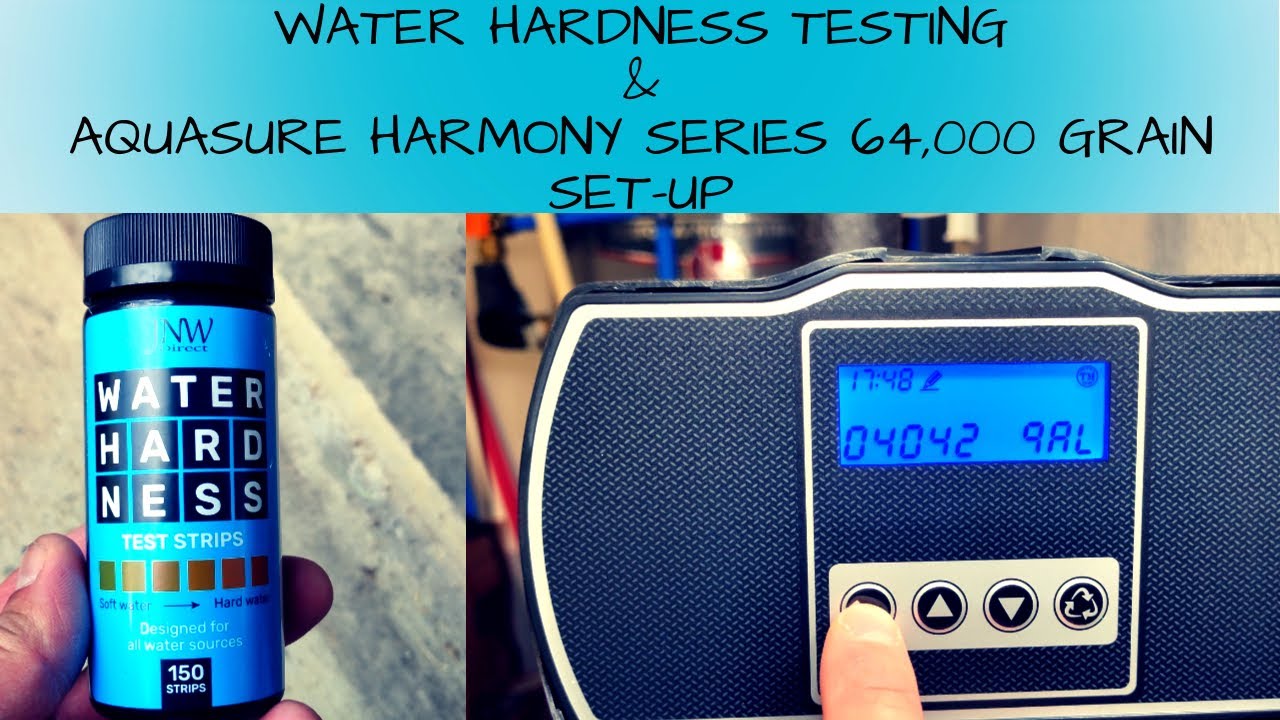 San Antonio Water Softener Hardness Setting
This is my go-to for watering my plants. They perk up within days. (My fern literally looked at me and said, “Finally, you get it.”) Just don’t overdo it—too much magnesium can turn your water bitter and your soil toxic.
For drinking, use it sparingly. A tiny pinch in a liter gives a smooth, almost sweet finish. It’s like adding a secret ingredient to your water. (Shh, don’t tell your friends—let them think you bought fancy mineral water.)
Method 3: Crushed eggshells and limestone
If you want to feel like a mad scientist, crush up clean eggshells and steep them in water. The calcium carbonate leaches out slowly, boosting hardness over a few days. It’s slow, but it’s natural and free.
Or, if you’re impatient, grab a small chunk of limestone (yes, the rock). Drop it into your watering can or aquarium. Over 24 hours, it’ll release minerals like a slow-release vitamin for your water.
I tried the eggshell method once. It worked, but my water smelled faintly of breakfast. (Not ideal for a midnight glass.) So, rinse the shells thoroughly first—unless you want scrambled-egg-flavored hydration.
Method 4: The “aquarium” approach
Ever seen those little bags of minerals in fish stores? They’re called remineralizers, and they’re designed for RO (reverse osmosis) water. You can literally buy a pouch, add it to your water, and get precise hardness levels.
This is the high-tech option. It’s perfect for folks who brew their own coffee, keep shrimp tanks, or just love geeking out on water chemistry. (I won’t judge if you start testing your pH every morning—it’s a hobby.)
![How to Make Water Harder by Adding Minerals [Pro Guide] - DecorDash.blog](https://i.ytimg.com/vi/r-JLshrcepU/hq720.jpg) How to Make Water Harder by Adding Minerals [Pro Guide] - DecorDash.blog
How to Make Water Harder by Adding Minerals [Pro Guide] - DecorDash.blog
Just follow the package instructions. A little goes a long way, and you don’t want your water to taste like a crushed multivitamin. (Trust me, I’ve been there.)
Method 5: The “old school” method—boiling
Wait, doesn’t boiling make water softer? Usually, yes. But if you boil hard tap water and let the sediment settle, you can pour off the top layer and leave the minerals behind. (Counter-intuitive, right?)
However, if you add minerals before boiling, like a pinch of baking soda, the evaporation concentrates the hardness. Let the water cool, and you’ve got a higher mineral content. (It’s like reducing a sauce, but for water.)
This method is for desperate times—like when you’re camping and the local water is suspiciously soft. Boil it, add a dash of salt, and pretend you’re fancy. (You are fancy. You’re reading an article about water hardness.)
Final sips of wisdom
Increasing water hardness isn’t rocket science, but it does require a little trial and error. Start small, taste often, and don’t be afraid to mess up. (Your first batch might taste like a swimming pool—that’s okay.)
Remember, the goal is balance. Too much hardness, and you’ll have scaling on your faucets. Too little, and you’ll drink sad, flavorless water. Find your sweet spot, and your plants, coffee, and taste buds will thank you.
Now go forth and mineralize. Your water is waiting for its glow-up. (And yes, I just gave water a glow-up. Don’t question my dedication.)
