Does Coca Cola Help Digestion

So, you’ve just polished off a massive plate of pasta, or maybe a greasy cheeseburger. You’re feeling that familiar, heavy bloat. Your mind drifts to the fridge, and you think...
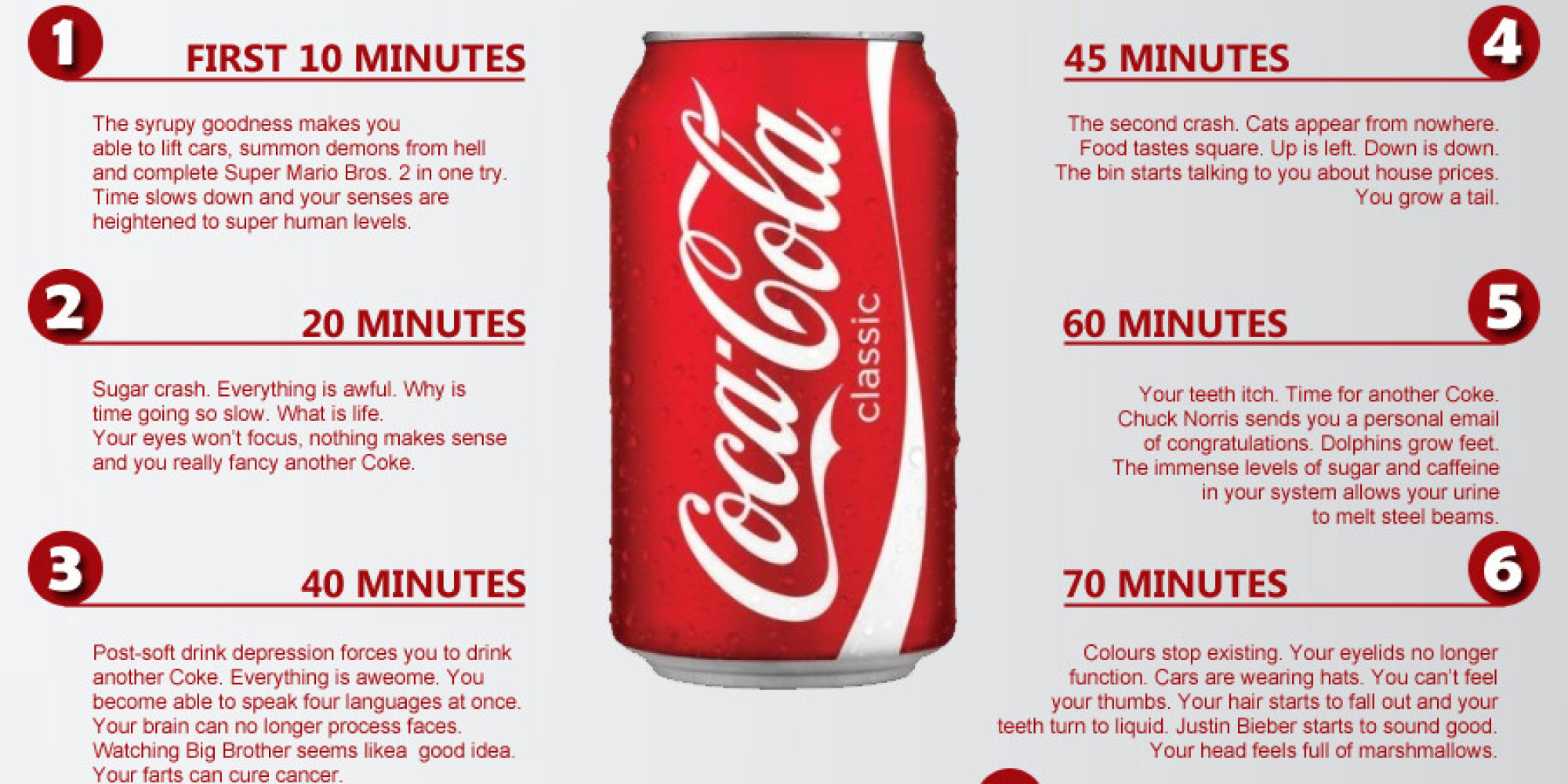
So, you’ve just polished off a massive plate of pasta, or maybe a greasy cheeseburger. You’re feeling that familiar, heavy bloat. Your mind drifts to the fridge, and you think: Does a cold, fizzy Coke actually help digestion? It’s a weirdly common rumor, isn’t it? Let’s pop the tab on this question and see what’s really bubbling under the surface.
The Fizzy First Aid Myth
You’ve probably heard someone swear by it after a big meal. “It settles my stomach,” they say. The idea is that the carbonic acid in the bubbles helps break down food, kind of like soda water does. But here’s the kicker: your stomach is already a highly acidic, churning machine. Does it really need a little extra fizz to do its job? It’s like bringing a tiny garden hose to a raging river—cute, but not exactly needed.
The truth is, that burp you let out after drinking Coke? That’s not digestion. That’s just your body getting rid of the extra gas you swallowed. It might feel like relief, but it’s just pressure escaping, not your food being magically processed. Interesting, right?
Must Read
The Sugar and Caffeine Twist
Here’s where things get a little tricky. A can of Coca-Cola is packed with sugar—about 39 grams. Sugar is a simple carbohydrate that your body absorbs really fast. In a weird way, this gives you a quick energy spike, which your brain might mistake for feeling better. But that sugar rush comes with a price.
Then there’s the caffeine. Caffeine is a mild stimulant. For some people, it can speed up the movement of food through the intestines—a process called gastric motility. But “speeding up” isn’t the same as “helping.” It’s more like telling the bus driver on your digestion route to hit the gas, even if the road is bumpy. The result? You might end up running to the bathroom faster than you’d like. Fun? Not exactly.
The Old Wives’ Tale vs. Science
Let’s be real: there’s no serious scientific study proving that Coca-Cola is a digestion aid. In fact, for many people, the high acidity (pH around 2.5) can actually irritate the stomach lining, especially if you have acid reflux or a sensitive gut. It’s like pouring a little bit of car battery juice into a wound—it certainly wakes things up, but not in a healing way.
 What Really Happens to Your Body When You Drink a Can of Coke - YouTube
Compare it to something like ginger tea or a simple glass of water with lemon. Those are classics for a reason. They don’t come with a side of sugar spikes or tooth-decaying acid. Yet, Coke has this weird cultural reputation as a “stomach helper.” Why? Probably because the fizzy sensation and the temporary burp just feel so darn satisfying after a heavy meal. It tricks your brain into thinking something useful happened.
A Fun Comparison: Coke vs. Your Stomach
Imagine your stomach is a high-performance sports car engine. It’s designed to handle premium fuel—like complex proteins and fats. Pouring a can of Coke into it is like dumping a sugary, fizzy energy drink into the gas tank. The car might sputter, burp, and even speed up for a second, but you’re not improving the engine’s performance. You’re just gumming up the works.
Or think of it this way: would you use a fire extinguisher to put out a tiny candle flame? No, because the extinguisher is overkill and messy. Similarly, using a sugary, acidic soda to “help” your body digest food is overkill—and way messier for your system.
 What really happens Inside Your Stomach After Drinking Coca Cola | 3D
The Only Real “Help” It Offers
Okay, so I’m not here to rain on your parade. There is one tiny, specific way Coke might be useful for digestion—and it’s not about your stomach. It’s about gut blockages. Believe it or not, some doctors have used Coke to help dissolve certain types of bezoars (hard, indigestible clumps of fiber, often from eating too many persimmons or hair). The carbonation and acidity can sometimes break these down.
But let’s be honest: for your average post-pizza bloat? That’s not you. For everyday digestion, the best thing you can sip is water, maybe with a squeeze of lemon. It helps your stomach do its job without adding extra sugar, caffeine, or acid. Water is basically the trusty, boring friend who always helps you move. Coke is the loud, flashy friend who shows up, burps, and leaves a sticky mess.
So, next time you reach for that red can after a meal, ask yourself: Do I really think this fizzy, sugary liquid is helping my body do something it’s been doing perfectly for thousands of years? Probably not. But hey, if you really like the taste and the burp, go for it. Just don’t call it a digestion hack. Call it what it is: a delicious, fizzy treat that your stomach tolerates—not one it needs.
